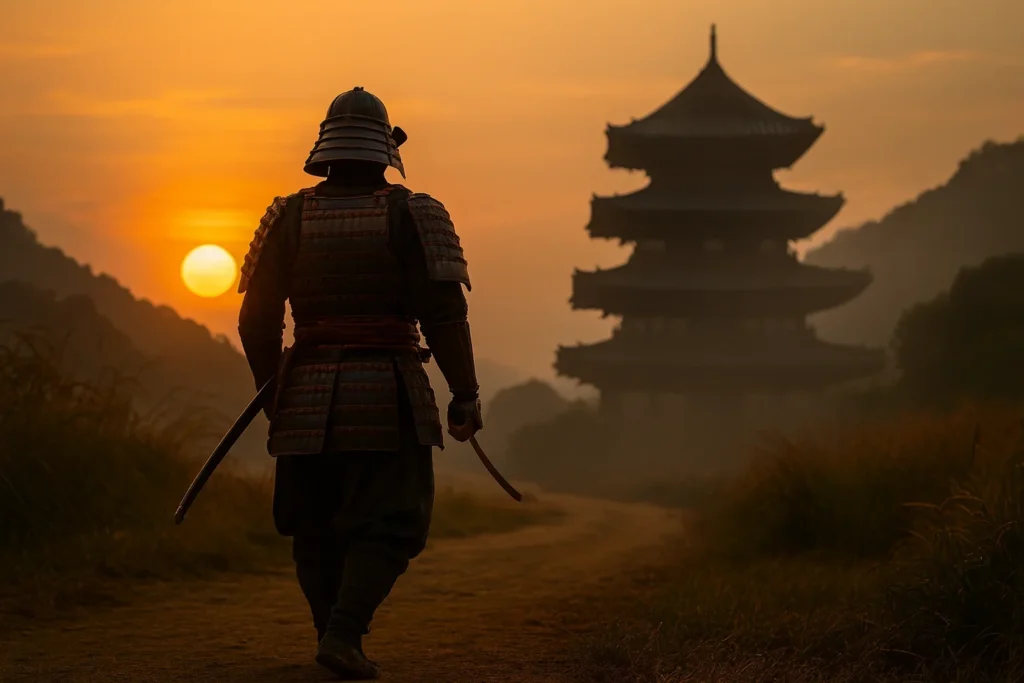
Samurai Temple Guards have long been a fixture of Japan’s rich tapestry of history, blending military prowess with spiritual duty. From the early Muromachi period through the Edo era, these elite warriors safeguarded sacred sites and maintained order inside temple precincts. Their unique role illustrates how martial traditions could intersect with religious devotion, producing a distinctive class of guardians who upholding both the faith and the feudal hierarchy.
Origins in the Feudal Landscape
The concept of temple guardians emerged as temples acquired temporal power. In the 14th century, temple sects such as the Tendai and Shingon contributed to secular authority by leasing land and collecting taxes. As a result, priests often required protection, and local samurai were enlisted to patrol monastic compounds. This partnership became especially pronounced during the Kamakura shogunate when the warrior class was solidifying its role across social strata. Kamour Shogunate reforms further integrated temple personnel into the feudal system, making temple guards a recognized part of the samurai hierarchy.
Daily Duties and Rituals
Temple guards performed a broad set of responsibilities that transcended mere physical security. A typical day began with a lit morning patrol around the temple’s perimeter, ensuring that no non-temple personnel entered without permission. In addition to maintaining order, guards engaged in ceremonial duties, such as presenting incense offerings to the main altar during seasonal rituals. These responsibilities required a balance between austere martial discipline and meticulous attention to ritual propriety. The dual nature of their work exemplified the Zen-like adaptability of the samurai class.
- Nighttime watch over sacred relics and temple archives
- Assisting in the purification of shrine gardens
- Protecting monastic monks from militia incursions
- Maintaining records of temple donations and land holdings
These tasks not only guaranteed the safety of the temple but also ensured its continued influence over the local populace. By bridging martial strength with spiritual stewardship, temple guards became essential mediators in a period where religious sites wielded significant political weight.
Training and the Art of Defense
The training regimen for temple guards was rigorous, drawing upon the samurai’s own martial arts corps. They honed skills in kenjutsu (swordsmanship) and kyūjutsu (archery), while also mastering the strategic use of the *yabusame*—horseback mounted archery competitions often held beside temple grounds. Training frequently included meditation and study of the *Bushido* code, which emphasized loyalty, integrity, and indomitable courage. Guards were expected to embody the bushido virtues, a requirement that reinforced the sanctity of their protective role and prevented the temptation of opportunistic pillaging.
Armed with a *katana* and a *wakizashi*, they confronted both physical threats—bandits and rival clans—as well as spiritual ones, such as maintaining the purity of the temple environment. The whip-like *pei-ō*—a pike used in defending temple gates—demonstrated their adaptation of samurai techniques to specialized temple defense needs. Britannica’s samurai entry details how these weapons functioned across various settings, illustrating the versatility required of temple guards.
Legacy and Modern Recognition
During the Meiji Restoration, Japan’s rapid modernization threatened traditional institutions. Temple guards often faced disbandment as the newly centralized samurai class was abolished. Nevertheless, many temple communities preserved the memory of these guardians through annual festivals and reenactments. Some modern samurai museums host displays of ancient armor and ceremonial armor once worn by temple guardians, showcasing the historical continuum of martial service tied to spirituality. This enduring legacy underscores the symbolic importance of temple guards within Japan’s cultural memory.
Today, historians use archaeological findings from temple precincts to trace the evolution of protective practices. Studies by the National Institute for Cultural Property have documented the materials used in guard uniforms, revealing sophisticated dyeing techniques prevalent in the Edo period. Britannica’s architecture article provides detailed insights into how temple guardians contributed to the defensive architecture of monasteries.
Conclusion: A Legacy of Duty and Devotion
Understanding the Historical Role of Samurai Temple Guards offers insight into how martial discipline can coexist with religious stewardship. Their legacy, threaded through centuries of conflict and cultural change, speaks to a broader narrative where loyalty, protection, and faith coalescence. Whether you are a history buff, a martial arts enthusiast, or simply curious about the entwined paths of Japan’s religious and feudal past, the story of temple guards is an illuminating chapter that deserves your attention.
Discover more about Japan’s samurai heritage—visit the local museum or explore online archives today!
Frequently Asked Questions
Q1. What were the primary duties of Samurai Temple Guards?
Temple guards patrolled the outer walls of the compounds, ensuring no unauthorized persons entered. They enforced strict access protocols, only allowing monks and visitors with proper credentials. Additionally, they assisted in ceremonial duties, such as carrying incense during festivals. Finally, they safeguarded sacred relics and archives against theft or damage.
Q2. How did the training of temple guards compare with that of regular samurai?
Training began with basic kenjutsu and kyūjutsu, mirroring that of frontline samurai. Unlike battlefield warriors, guards practiced meditation and studied Buddhist scripture to maintain spiritual focus. They also trained in the art of yakusa game and specialized pike tactics for gate defense. This combination kept them disciplined, spiritually attuned, and ready for any threat.
Q3. Did temple guards wield standard samurai weapons?
Temple guards used standard samurai arms such as the katana and wakizashi during combat. Their archery skill was employed in the traditional mounted‑archery event, known as yabusame, which was often hosted at temple grounds. For gate protection, they employed specialized pikes or ‘pei‑ō’ that were ideal for repelling attackers at close range. Their weaponry reflected a blend of martial necessity and ceremonial reverence.
Q4. Were temple guards ever involved in conflicts outside temple boundaries?
While their main focus was temple protection, guards were occasionally called upon to suppress banditry in regional areas. During the Sengoku period, some temple guards participated in short defensive engagements with rival warlords. However, they rarely engaged in large‑scale campaigns, staying primarily within the temple’s jurisdiction. Their involvement in broader conflicts was limited to sporadic, situational defense missions.
Q5. How is the legacy of Samurai Temple Guards preserved today?
The legacy persists through museum displays of armor and ceremonial robes, as well as annual festivals that reenact guard duties. Historical research, including archaeological findings in temple precincts, continues to shed light on their roles and tactics. Many temples host guided tours explaining the significance of their guards to visitors. Moreover, academic texts on Japanese feudal history often highlight sern guardians as a unique fusion of martial and religious duties.