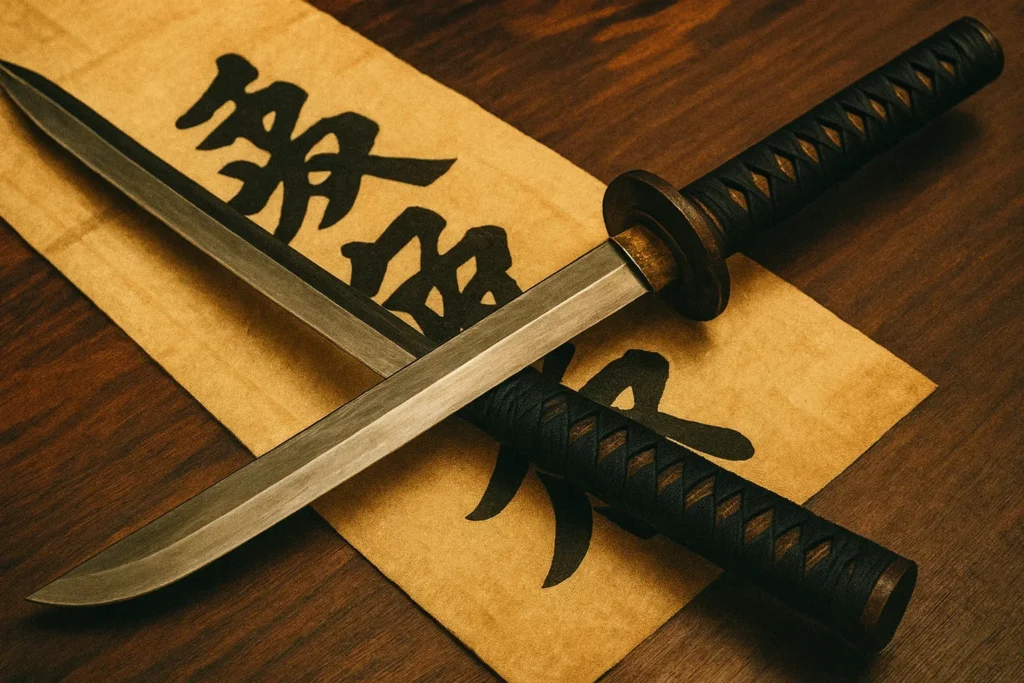
Understanding the nuanced art of Samurai Gift-Giving Traditions offers a window into the disciplined values of Japan’s famed warriors. Their approach to gifting—rooted in honor, humility, and respect—has influenced modern Japanese culture and businesses today. By exploring the historical context, symbolic elements, and contemporary applications of these customs, you can apply time‑honored principles to create thoughtful, meaningful gestures in both personal and professional settings.
Origin of Samurai Gifting Practices
The samurai cultural ethos developed during the Kamakura and Muromachi periods (1185–1573). Their code of conduct, known as bushidō, demanded rigorous self‑discipline and loyalty to a lord. Gift-giving served as a practical extension of bushidō, reinforcing alliances and manifesting mutual respect. Historical accounts suggest that samurai exchanged items such as hand‑crafted swords, lacquered bamboo fans, and willow‑twig scrolls—each laden with symbolic significance.Samurai (Wikipedia)
Key Symbolic Elements and Their Meanings
While the choice of gift varied, certain motifs consistently conveyed specific intentions:
- Ink and Brush – Symbolizing literacy, contemplation, and the ability to write one’s own destiny.
- Tea Set – Representing the calming ritual of tea ceremony, an arena for precise etiquette.
- Lanterns (Chōchin) – Evoking guidance and enlightenment.
- Shoji Screens – Signifying subtlety and a balance between openness and privacy.
These gifts were typically presented in a wrapped, elegant format: the wrapping paper itself was a reflection of the giver’s status and intent. The act of presenting, awaiting, and reciprocating carries sociocultural weight that today echoes in business networking and diplomatic exchanges.
Methods of Presentation: Rituals and Etiquette
The process of giving a samurai gift involved several layers of ritual:
- Preparation – The giver selected a container that matched the value of the present, ensuring proper sealing of the package to preserve its integrity.
- The Offer – The giver presented the gift on the left side, allowing the recipient to greet with a slight bow, symbolising humility and the willingness to accept humility in return.
- Acceptance – The recipient accepted the gift on the right side, acknowledging the giver’s respect and the symbolic fortitude of the gift.
- Reciprocity – While not mandatory, returning a gift after a year or after the completion of a mission was customary to maintain a mutually respectful balance.
These rituals implicitly encouraged a sense of duty and reciprocity. Modern Japanese etiquette still reflects these principles: for example, acceptance of a gift is often accompanied by a bow and the repetition “Itadakimasu,” a phrase acknowledging the value of the giver’s generosity.
Modern Corporate and Personal Applications
In today’s globalized business world, samurai gift‑giving traditions provide a framework for displaying respect and nurturing relationships. Companies often gift partners with items that embody craftsmanship, such as silverware, handcrafted lacquer wares, or custom origami portfolios. Additionally, the principle of “nose‑to‑nose” presentation—delivering a gift personally—is still considered ideal in negotiations.Japan Travel Guide (JNTO)
When selected with care, these gifts translate to a lasting impression of professionalism, sincerity, and cultural reverence. Business leaders can combine these ancient norms with modern branding, using customized items that echo a company’s values while rooted in a tradition that thrives on honor.
Integrating Bushidō Principles into Everyday Life
Beyond formal exchanges, the core values of bushidō—loyalty, courage, honor—extend into everyday gift selection. Consider:
- Choosing items that reflect a recipient’s journey, mirroring how samurai pursued missions.
- Utilizing a clean, restrained design that denotes respect for the recipient’s environment.
- Adding a handwritten note, mirroring the personal touch that a samurai might include to express inner thought.
These approaches focus on quality over quantity, mirroring the samurai’s preference for meaningful connections over lavish displays. When aligned with the subtle ethos of Japanese 礼儀 (reigi)—the system of manners that governs social conduct—one can cultivate relationships blessed with trust and legitimacy.
Concluding Insights: Embrace Tradition, Create Impact
When you appreciate the echoes of Samurai Gift‑Giving Traditions, you bring depth and authenticity to your interactions. Implementing these subtle rituals in the modern landscape fosters respect, allegiance, and a sense of belonging that transcends cultural boundaries. Whether you present a colleague, partner, or friend with a carefully crafted token, remember that the gesture carries the carved‑in‑time values of an ancient warrior code—an ode to honor, humility, and respectful reciprocity.
Ready to elevate your gift‑giving? Explore the legacy of bushidō, adopt the thoughtful 细节 (details) of samurai customs, and transform ordinary exchanges into moments of profound respect.