Samurai and Yakuza Traditions” parallel evolution offers a compelling window into Japan’s complex social fabric. Though separated by centuries, legal status, and moral philosophy, both warrior cultures harness symbolic symbols, time‑honored rituals, and a code of conduct that echoes throughout Japan’s modern narrative. By tracing their respective origins, values, and enduring influence, we uncover how these once opposing groups converged into a shared cultural undercurrent that continues to shape the nation’s identity.
Historical Foundations
The samurai, emerging during the Heian period, were a land‑holding military elite aligned with feudal lords. Their rise coincided with the codification of Bushido— the “Way of the Warrior”—which blended practicality with courtly etiquette. In contrast, the Yakuza emerged later, during the Edo period, purportedly as a social defense guild protecting merchants against rogue samurai and local bandits. While both groups gained discipline and status, their institutional contexts diverged sharply: the samurai served the state’s hierarchical order, whereas the Yakuza operated as a self‑regulated, anti‑state “guild.”
For deeper coverage of the samurai’s evolution, consult Wikipedia: Samurai and for the Yakuza’s early history, Wikipedia: Yakuza. The Japanese government’s cultural portal, Ministry of Culture, also provides scholarly insights into both traditions.
Shared Codes of Honor
Despite divergent origins, both groups crystallised a unique moral framework. The samurai adhered to Bushido’s cardinal virtues: loyalty, courage, benevolence, respect, honesty, honor, and one of the most notorious concepts, “seppuku” (ritual suicide). Likewise, the Yakuza’s code, known as the Kōshō, kōhitsu (“the righteous path”), emphasizes loyalty, discipline, and a steadfast loyalty to one’s cohort.
Key virtues common to both traditions include:
- Yū (勇) – Courage and valor on the battlefield or in perilous negotiation.
- Gi (義) – Moral righteousness that transcends self‑interest.
- Kizuna (絆) – The unbreakable bonds of loyalty across bloodlines and guilds.
- Meiyo (名誉) – Honor, judged by actions and reputational standing.
- Shōgan (精神) – Resilience and spiritual strength in the face of crisis.
These shared codes manifest contemporary social dynamics, where respected elder figures may still wield influence in corporate or criminal hierarchies alike.
Rituals and Symbolism
The samurai’s utmost symbol was the katana, a double‑handled blade heaped with history and spiritual weight. The construction of the katana itself—layering, forging, and leather‑binding—reflected a masterfully choreographed ritual. In parallel, Yakuza members brandish glass or plastic “kimonos” and paper‑made crystals called shakuhachi, their own symbolic artifacts denoting rank. The use of red thread (haku‑nami) in yakuza blood rituals mirrors the samurai’s use of war banners to signify identity and honor.
Further symbolic threads include:
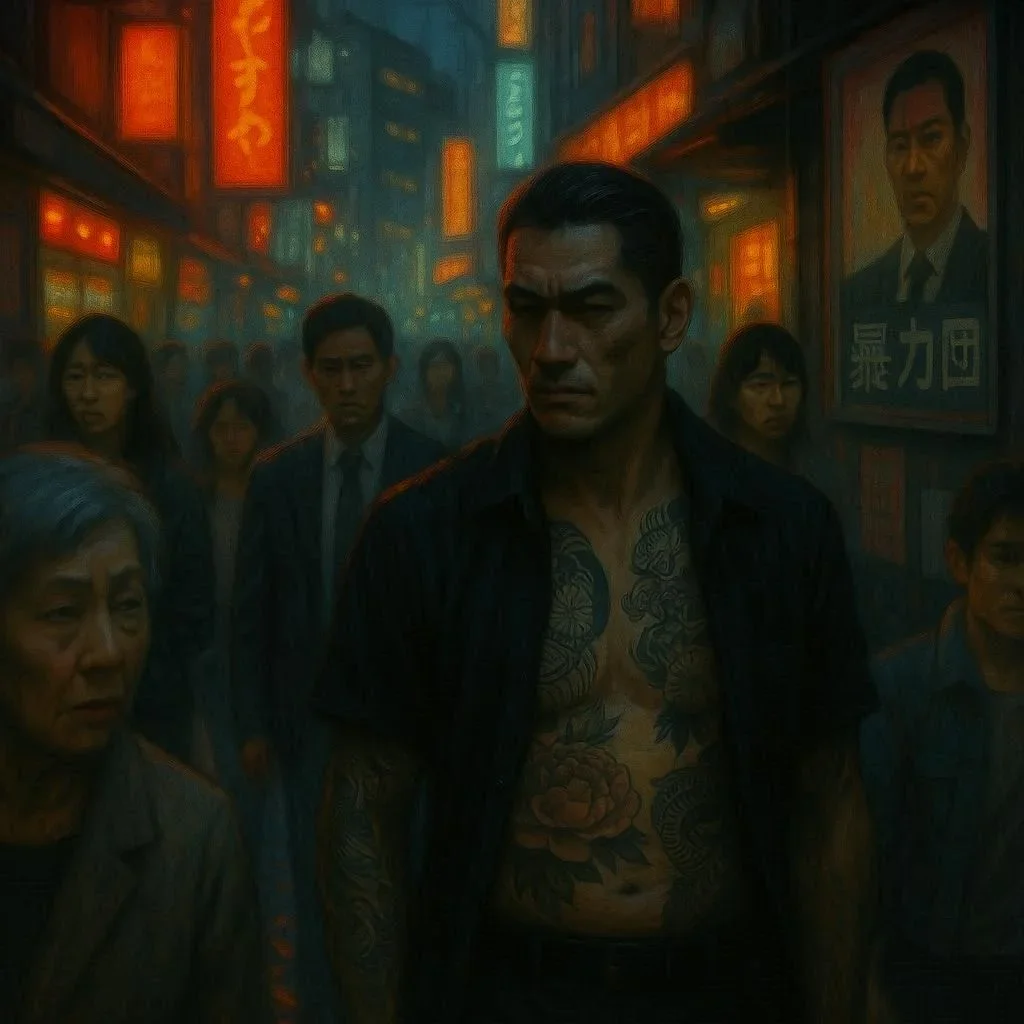
- Dress: The samurai donned kimono and haori with embroidered crests, while modern yakuza often don sharp suits and low‑cut shirts as a stylish, covert signal.
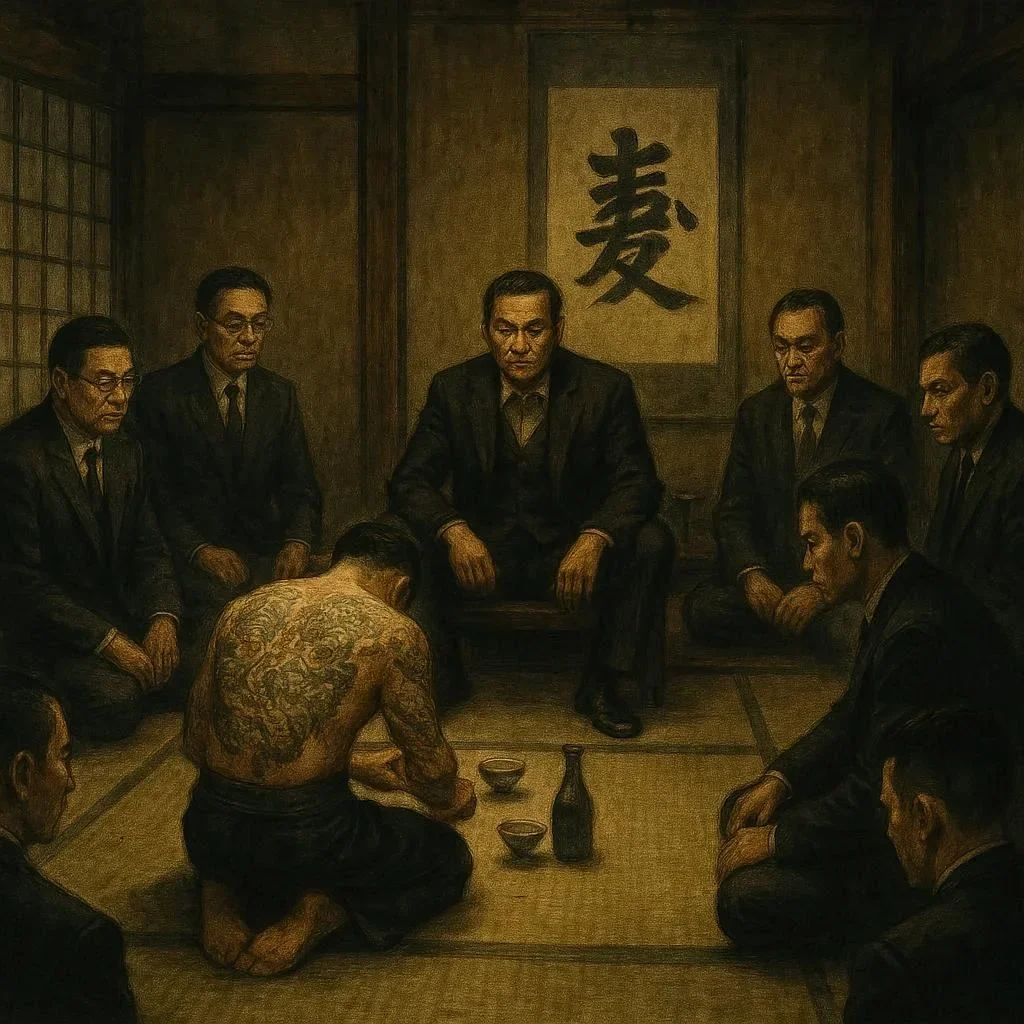
- Tea ceremonies: Both groups adopted tea rituals (sake ceremonies for the samurai, ocha for the yakuza) as deliberate practices for reflecting on duty and loyalty.
- Lyrics and poetry: Samurai poetry (haiku, renga) projected ideals of fleeting but profound beauty; the yakuza recite verses of loyalty that similarly condense intense emotional loyalty.
Modern Perceptions and Cultural Memory
As Japan modernised, the samurai’s role transitioned into a romanticized national myth, celebrated in films, literature, and art. For more contemporary, academic analyses, Harvard Japanese Studies offers several resources on the samurai legacy. Meanwhile, the Yakuza’s presence remains palpable in the urban underbelly, with government regulations demanding transparency for registered crime syndicates under the Anticorruption Act, a point made clear on the official government page Japan Government.
Critics argue that the Yakuza’s “honor” clashes with the notion that organized crime is inherently corrupt. Yet, the modern public often conflates Yakuza actions with a disciplined, door‑to‑door ritual “respect system,” drawing unsettling parallels with the samurai ethos. Cultural memory in both the arts and popular media portrays the Yakuza as a guardian of order—an image echoed in the stories of samurai who shielded the populace from tyranny.
Conclusion
While the roots of Samurai and Yakuza Traditions diverge in period and societal function, their parallel evolution underscores a unifying factor: a deeply ingrained code that transcends legal boundaries and time. Whether on the sword‑studded battlefield or the bustling streets of Tokyo, the echoes of loyalty, honor, and disciplined conduct persist, offering us a sobering reminder that cultural institutions are often two sides of the same coin.