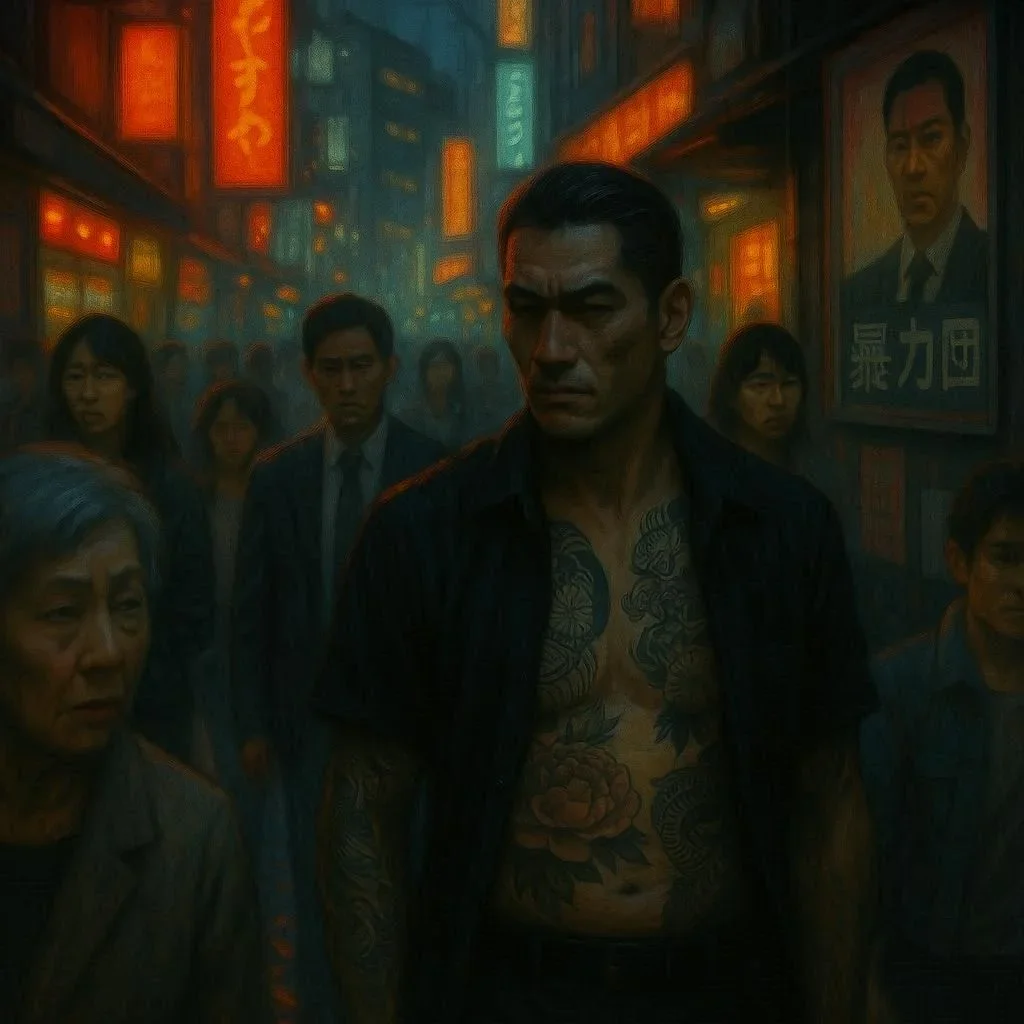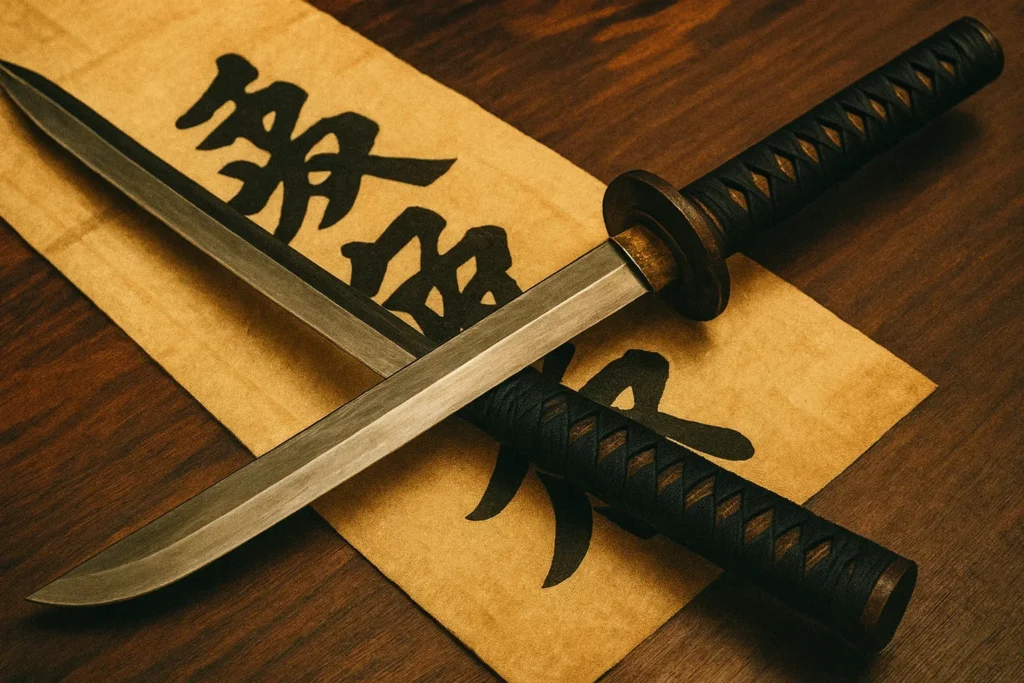
In the bustling streets of Tokyo, the echoes of ancient samurai ethos linger in the collective consciousness. The phrase “Samurai Spirit” is more than a historical reference; it has evolved into a cultural compass guiding contemporary Japanese society. By weaving tradition into modern innovation, Japan exemplifies a unique blend of past and present, where the disciplined mindset and unwavering honor of clandestine warriors still inform today’s business practices, artistic expressions, and education systems.
Embracing Samurai Spirit in Modern Business
Japanese industry is renowned for its meticulous craftsmanship and relentless pursuit of excellence, traits rooted in the Samurai Spirit and its core value of bushido, a code outlining loyalty, patience, and integrity. Global companies such as Sony, Toyota, and Fujitsu adopt lean production methods that echo the disciplined workflow of a samurai swordsmith—where each motion is intentional and waste is eliminated. Stories of a Toyota manager who refuses to cut corners, even in a profit–driven market, illustrate how the philosophy of self‑discipline continues to shape leadership approaches across sectors.
- Commitment to samurai values in maintaining product quality.
- Team collaboration modeled after a bushido village, emphasizing collective responsibility.
- Strategic foresight driven by the samurai’s long‑term vision.
- Ethical decision‑making rooted in honor and transparency.
This intersection of tradition and commerce reflects how the symbolic power of the samurai transcends time to foster resilience in a volatile global marketplace.
Samurai Spirit in Contemporary Japanese Arts
Artistic mediums—film, literature, and visual arts—frequently draw inspiration from samurai themes to convey moral complexity. Directors like Koji Yoshizawa incorporate honor rituals and strategic poise into character arcs, while novelists weave the internal conflict of a samurai who must choose between duty and personal desire. In the realm of contemporary design, minimalist aesthetics echo the samurai’s emphasis on simplicity and balanced form; designers observe that a clean layout often mirrors the layered yet unadorned spirit of a samurai sword.
Art institutions in Kyoto and Osaka endorse seminars titled “The Essence of Bushido and Modern Creativity,” helping creators reconcile historical psyche with current narrative trends. These workshops nurture a dialogue wherein modern artists reinterpret samurai ethos and create works that resonate across cultures.
Teaching the Samurai Spirit to Youth
Education in Japan incorporates Samurai Spirit via extracurricular activities such as martial arts clubs and school rituals. Programs like karate, kendo, and aikido not only build physical prowess but also cultivate mental alertness, respect, and responsibility—parallels to bushido concepts of courage and courage. Many prefectures sponsor day camps where students learn traditional tea ceremonies that emphasize timing, silence, and meticulousness, echoing the stoic mindset of samurai.
At the governmental level, the Ministry of Education, Culture, Sports, Science and Technology—accessible via this website—issues curriculum guidelines encouraging the inclusion of historical study as a means to foster moral education and cultural identity. By engaging youth with stories of valor and sacrifice, the Ministry seeks to instill values that support community cohesion and Confucian ethics complementary to samurai traditions.
Future of Samurai Spirit in Global Culture
As pop culture exports proliferate through anime, gaming, and culinary ventures, the global consumption of samurai motifs offers an opportunity to spread the philosophy of purposeful living. International film festivals showcasing “Blade of Honour” films place the samurai’s balanced decision-making in conversation with contemporary leadership challenges. In a world increasingly valuing mental resilience, the samurai’s training in stoicism provides a blueprint for stress management.
Science institutes abroad collaborate with Japanese universities on AI research that emphasizes ethical usage, mirroring the samurai’s vigilant stance toward power. This synergy bolsters the notion that the “Samurai Spirit” is not a relic but an evolving set of practices—an adaptive framework for worldwide diplomacy and corporate governance.
Conclusion: Cultivate Your Own Samurai Spirit
From boardrooms to classrooms, the enduring legacy of Japan’s warriors continues to shape minds and industries. By embracing the core principles—discipline, honor, respect—and integrating them into daily life, individuals can harness the energy that forged a nation. Whether you are a manager spearheading innovation, an artist crafting a narrative, or a student building character, the timeless essence of the Samurai Spirit offers timeless guidance.
Ready to witness the impact of ancient values on modern success? Explore further resources and community programs that celebrate Japan’s samurai heritage and empower your personal growth today. Join our newsletter for in‑depth analyses and actionable inspiration that transforms the profound philosophy of the samurai into everyday victories.
Frequently Asked Questions
Q1. What does the term “Samurai Spirit” refer to in contemporary Japan?
The Samurai Spirit refers to the enduring values of discipline, honor, and integrity that originated with the samurai class. These principles now influence modern Japanese culture, from corporate management to artistic expression. They embody a commitment to excellence, collective responsibility, and ethical decision‑making. The spirit persists in everyday life as a guiding philosophy for both personal and professional development.
Q2. How is the Samurai ethos applied within Japanese business practices?
Japanese companies like Sony, Toyota, and Fujitsu incorporate the Samurai ethos through lean manufacturing and meticulous craftsmanship. The focus on continuous improvement mirrors the disciplined workflow of a samurai swordsmith. Leaders maintain ethical standards and long‑term vision, emphasizing loyalty and transparency. These practices help firms stay resilient in fluctuating markets.
Q3. In what ways do contemporary Japanese artists draw inspiration from samurai culture?
Artists across film, literature, and visual arts reference samurai themes to explore moral complexity. Directors incorporate honor rituals into storytelling, while writers depict internal conflict between duty and desire. Designers use minimalist aesthetics that reflect the samurai’s emphasis on simplicity and balance. Workshops in Kyoto and Osaka facilitate dialogue between tradition and innovation.
Q4. How is the Samurai Spirit taught to young people in Japan?
Educational programs integrate martial arts like kendo and aikido, reinforcing courage, respect, and responsibility. Tea ceremony camps emphasize timing and meticulousness, mirroring samurai stoicism. The Ministry of Education promotes historical studies to foster moral education and cultural identity. These activities aim to nurture disciplined, community‑oriented youth.
Q5. What potential impact could the Samurai Spirit have on global culture and business?
As pop culture spreads, samurai motifs promote purposeful living worldwide. International film festivals showcase films that juxtapose samurai decision‑making with modern leadership challenges. Ethical AI research inspired by samurai vigilance strengthens corporate governance. Overall, the Samurai Spirit offers a timeless framework for resilience, ethics, and innovation.