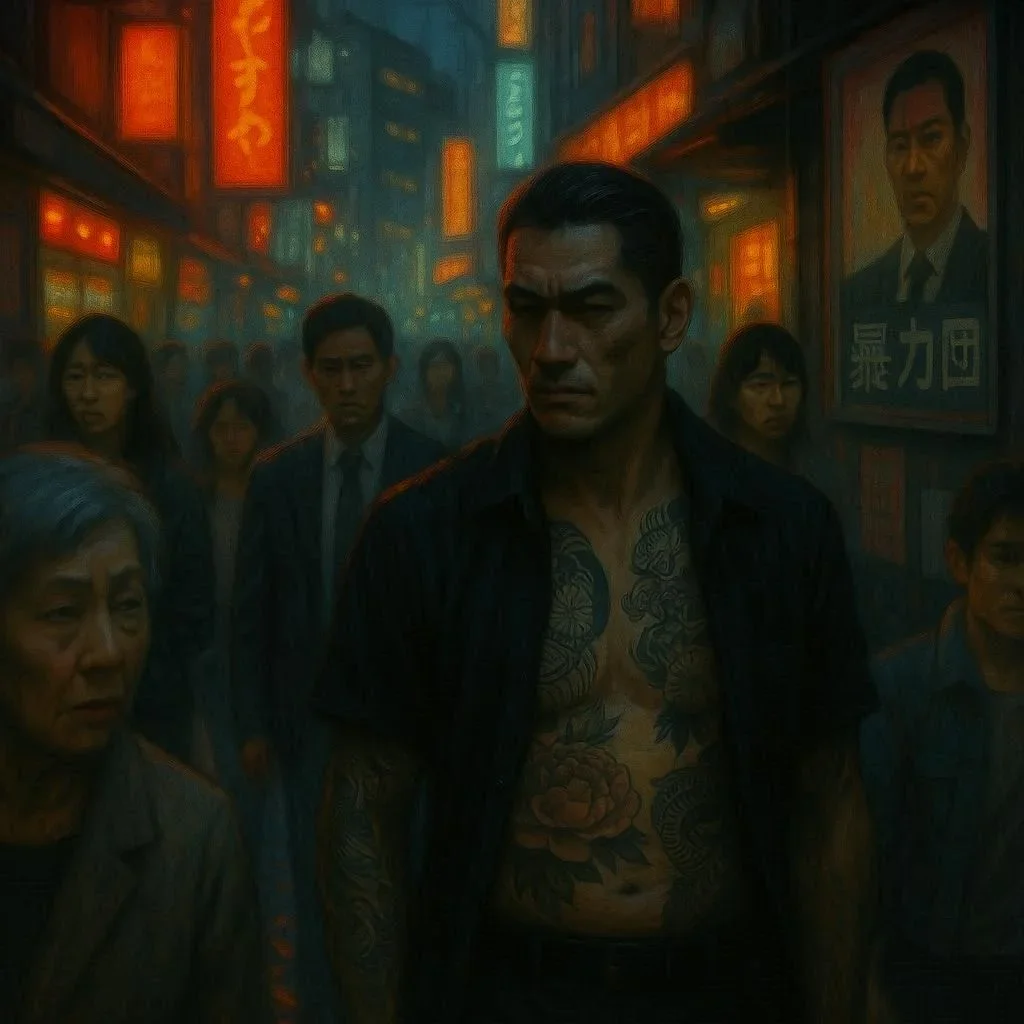
Traditional Japanese tattoo art, often referred to as yōga or irezumi, has captivated enthusiasts worldwide for centuries. In this post, we explore the origins, symbolism, and modern resurgence of this cultural treasure. By tracing its journey from the Edo period to contemporary studios, you’ll gain a deeper appreciation for the stories inked on skin and discover how their meanings continue to inspire.
Historical Roots: From Edo to the Present
Japanese tattooing began as a form of punishment in the 16th‑17th centuries. Criminals, samurai, and even soldiers were marked with indelible symbols to identify them. By the Edo period (1603‑1868), tattooing had evolved into an art form practiced by itinerant artists known as kōhān. These artists mastered techniques that differ from Western methods, using brush strokes instead of needles to create deep, highly detailed images. The craft reflected the socio‑cultural climate of the time, where the bathhouse culture and the seafaring community embraced bold body art as a form of identity.
During the Meiji era, Japan modernized, bringing new social norms that banned tattooing in many public spaces. The crackdown led to a decline in representation and survival of traditional styles. Yet, underground communities preserved the essence of irezumi, passing techniques from master to apprentice in secret workshops.
Symbolic Themes: Koi, Sakura, and Beyond
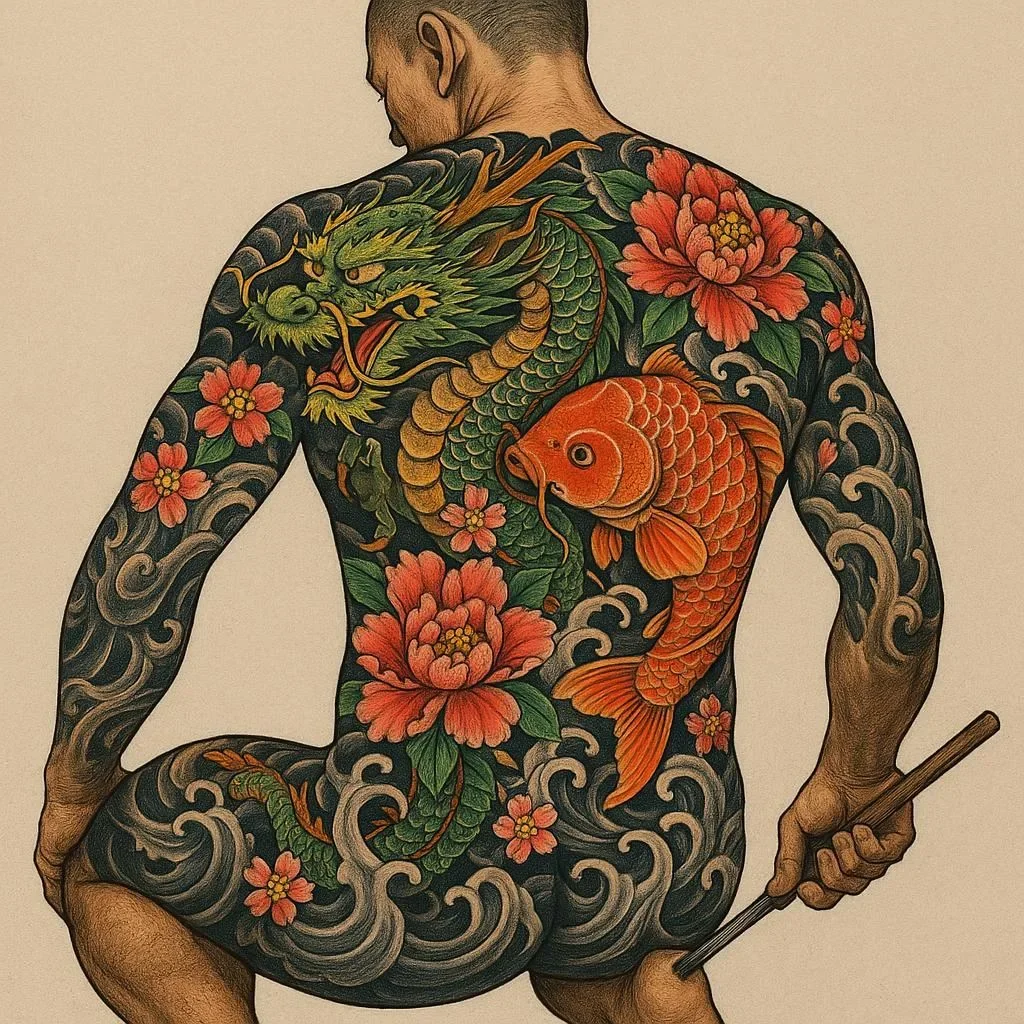
One of the most iconic motifs in Japanese tattoo art are the koi fish. They symbolize perseverance, resilience, and transformation, moving from the murky waters to the surface—a visual echo of Buddhist teachings about overcoming adversity. Another popular design is the cherry blossom or sakura. While delicate and fleeting, sakura represents the transient nature of life, echoing the Japanese concept of mono no aware.
Less common but equally meaningful are the auspicious waves, dragons, phoenixes, and yokai—mythical creatures that embody protective energy or social critique. Each element is typically placed with deliberate harmony, ensuring the mind and body receive a balanced narrative that transcends mere aesthetics.
Techniques & Materials: The Artisan’s Craft
Traditional tattooing uses a katsura needle, a comb of 45–55 needles that allow the artist to apply pigment in a single continuous motion. The pigments are often made from natural pigments purchased from Japanese markets; modern sterilized kits might contain synthetic dyes, but purists still favor the earthy tones calmed by bamboo ash and clays. The skin preparation involves a cupping method, which minimizes trauma and promotes consistent bleed coverage.
The process lasts days or even weeks for full-body pieces called tattouri. Each session is a meditative partnership between artist and client, where trust and storytelling play key roles. The enduring nature of Japanese tattoo art relies on a deep knowledge of the canvas—skin—and a respect for the cultural symbology embedded in each image.
Modern Reinterpretation: Global Influence & Ethical Concerns
In the 21st century, global artists have adopted Japanese themes, often blending them with tribal or abstract patterns. While this fusion has increased popularity, it also raises questions about cultural appropriation. The Ikigai community has praised authentic integration, urging artists to study the historical context. Ethical workshops, such as those hosted by institutions like the Japan National Institute of Tattoos, provide guidelines on respecting traditional subjects and ensuring representations are accurate.
Cosmetic brands also collaborate with tattoo artists to develop hypoallergenic inks that heal without compromising the depth of traditional color palettes. As we see more diversity in subject choice, its symbols remain influential in modern fashion, film, and digital media.
List of Iconic Motifs and Their Significance
- Koi Fish – Perseverance, ambition.
- Sakura (Cherry Blossom) – Transience, renewal.
- Dragon (Ryū) – Wisdom, power.
- Dragonfly (Koi‑tōgō) – Change, courage.
- Yokai (mythical spirits) – Protection, warning.
These icons are more than decorative; they hold a narrative that accompanies the wearer’s life journey. Understanding each motif enhances the connection between wearer and design, a principle that has guided irezumi artists for centuries.
Conclusion: Embracing Tradition Responsibly
Whether you’re a longtime aficionado or a curious newcomer, traditional Japanese tattoo art invites you to participate in a living heritage. It’s essential to seek reputable studios—ideally those affiliated with recognized guilds—and to engage in conversation about the meanings behind each design. Do your research, honor the history, and remember that each piece is a conversation between culture and self.