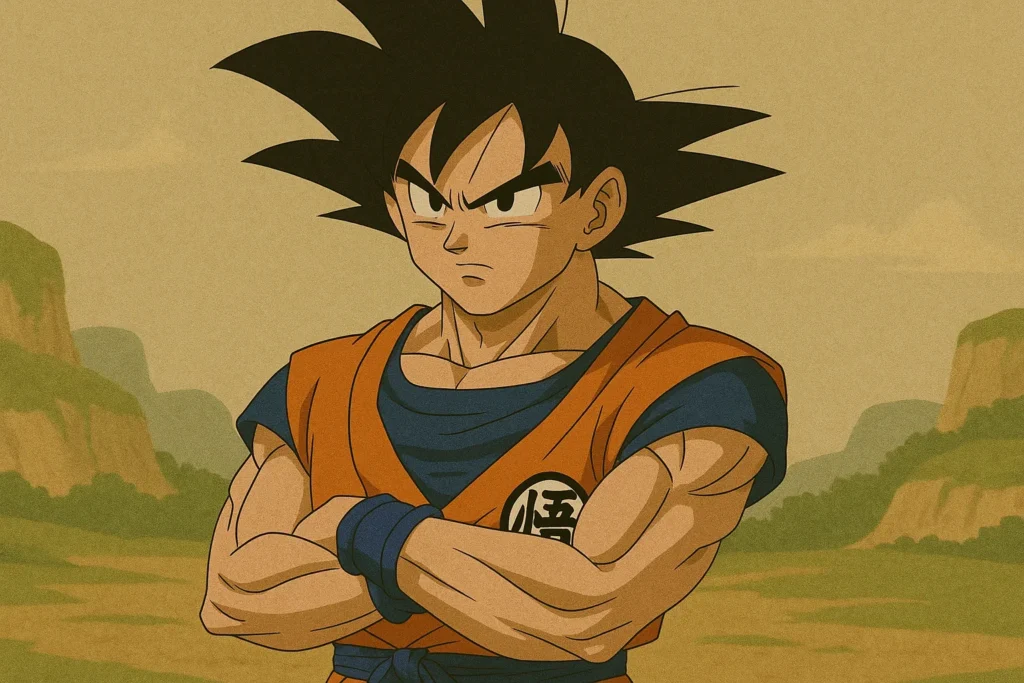
The rise of Anime from a niche Japanese pastime to a worldwide phenomenon has reshaped entertainment, culture, and commerce across continents. Its success is not merely a zero‑sum game of fandoms but a complex synergy of storytelling depth, technological reach, and cultural curiosity that appeals to millions globally. In this article, we unpack the core drivers that elevate Anime to a universally beloved medium, informing creators, marketers, and audiences alike. By weaving together history, economics, and creative analysis, we illuminate the path that brings Anime to every watch‑list, streaming service, and fan convention—no matter where you live.
1. Cultural Resonance and Storytelling Depth
At its core, Anime is renowned for exploring universal themes through distinct aesthetic lenses. Relatable arcs involving identity, friendship, and coming‑of‑age struggles transcend cultural borders when paired with vibrant visuals and meticulously crafted narratives. Anime’s versatility allows creators to blend fantasy, science fiction, horror, and slice‑of‑life, providing a rich palette for audiences with varied tastes. The medium’s episodic structure also encourages binge‑watching, encouraging audiences to stay engaged longer than many traditional Western series. These factors have cultivated an expansive, passionate fandom that seeks fresh content on a constant basis.
- World‑Building: Anime series often craft fantastical realms—think Kakashi & Naruto— that invite endless exploration.
- Character Focus: Multi‑layered protagonists ensure viewers map emotional journeys, creating emotional bonds that translate worldwide.
- Story arcs: Carefully planned arcs provide satisfying cliffhangers, sustaining long‑term interest.
- Cross‑cultural appeal: Storylines touch upon social and philosophical questions that resonate in diverse societies.
2. Technological Accessibility and Streaming Platforms
In the digital age, Anime’s spread has been accelerated by global distribution networks. Streaming giants like Crunchyroll, Netflix, and Amazon Prime Video have localized thousands of titles, ensuring ready access across time zones. Furthermore, user‑friendly subtitles and dubbing have broken language barriers. The web democratized self‑publishing through fan translations (fansubs), which, before official localization, helped revolutionize Anime’s overseas presence, inspiring local broadcasters to invest in rights and official releases.
Subheading: The Role of Quality Localization
Professional translation is not a mere linguistic exercise; it shapes cultural interpretation. By retaining nuances while respecting local sensibilities, providers create trustworthy viewing experiences that foster brand loyalty. Official dubs and subtitles often provide cultural footnotes, thereby deepening audience appreciation and boosting word‑of‑mouth.
3. Globalized Production and Cross‑Industry Collaboration
Anime production has become increasingly interdisciplinary, collaborating with international artists, musicians, and distributors. Joint ventures—for example, partnerships between Japanese studios and American production houses—blended expertise, allowing stories to reach broader audiences while preserving authentic artistic voices. The global diffusion of animation styles has raised global production standards, helping maintain quality while diversifying storytelling techniques.
Recent reports from the Japanese Ministry of Foreign Affairs highlight how cultural export, including Anime, strengthens diplomatic ties. The Ministry’s “Creative Industries Support Program” finances co‑production agreements, making it easier for smaller studios to peel into the international market. These collaborations create a self‑reinforcing ecosystem that nurtures original content, responsible funding, and global shelving.
4. Economic Impact and Merchandising Phenomenon
Anime’s influence extends into a robust economic footprint that fuels related industries such as gaming, fashion, and cosmetics. Merchandising is a powerful engine that sustains and widens Anime’s cultural presence. Apparel, action figures, and lifestyle products based on popular franchises such as Dragon Ball or Attack on Titan testify to this market’s dynamism. These derivative products encourage fans to display their enthusiasm, creating a feedback loop that integrates anime themes into everyday life worldwide.
Statistical analysis from the Animation Film Association of Japan shows that the industry’s revenue exceeded 1.3 trillion yen in 2022, surpassing the United States’ animation market by several hundred million dollars. Coupled with record‑breaking streaming subscriptions, this growth demonstrates Anime’s dominant position in digital media spending and pop culture betting.
Conclusion & Call to Action
From its emotional depth to its global accessibility, Anime has carved a niche that resonates across cultures, languages, and demographics. Its success is built upon incredibly efficient networks of storytelling, technology, cross‑institutional partnerships, and consumer‑driven merchandising. Whatever your familiarity with Anime, the evidence shows an unmistakable cultural shift in how stories are told and received worldwide.
Join the worldwide Anime conversation today—subscribe to your favorite platform, explore new titles, and share your insights. By engaging with Anime, you become part of a global community that celebrates art, creativity, and shared human experience.
For further context, consult the official Ministry of Foreign Affairs page on cultural exchange, the comprehensive data at the BBC Culture segment on global media trends, or the in‑depth analysis from the New York Times on Japanese animation’s rise. Explore, learn, and become part of the legacy that makes Anime the global powerhouse it is today.
Frequently Asked Questions
Q1. What factors have contributed to Anime’s global rise?
Anime’s success stems from its deep storytelling and emotional resonance that transcends cultural boundaries. The medium combines original worlds, layered characters, and complex arcs that keep audiences engaged. Technological advances, especially streaming, allow instant access worldwide, while savvy marketing reinforces the appeal. These elements together create a worldwide fanbase hungry for fresh, diverse narratives.
Q2. How have streaming platforms impacted Anime’s accessibility worldwide?
Streaming services like Crunchyroll, Netflix, and Amazon Prime have localized thousands of titles, making quality subtitles and dubs available at the push of a button. Speedy distribution eliminates lengthy wait times, satisfying binge‑watchers across every time zone. This accessibility has lowered entry barriers and enabled new fans to discover Anime without cultural or language restrictions.
Q3. What role does localization play in Anime’s international success?
Professional localization preserves nuance while respecting local sensibilities, ensuring that jokes, cultural references, and emotional beats resonate globally. Accurate subtitles provide context, and quality dubs preserve the original tone. This trust in faithful adaptation builds loyal audiences and fuels word‑of‑mouth recommendations.
Q4. How does merchandising drive Anime’s global economy?
Merchandise such as apparel, action figures, and lifestyle goods extends Anime’s presence into everyday life. Sales from these products generate significant revenue for studios and licensors, and they create a visible community identity that attracts new fans. Merchandising also deepens engagement, turning passive viewers into active brand ambassadors.
Q5. How can new audiences start following Anime?
Start by exploring popular titles across genres on streaming platforms, then check fan ratings and trailers to find something that fits your interests. Joining online communities or forums can provide recommendations and viewing tips. Subscribing to newsletters from reputable sites like Anime News Network keeps you updated on releases and industry news.