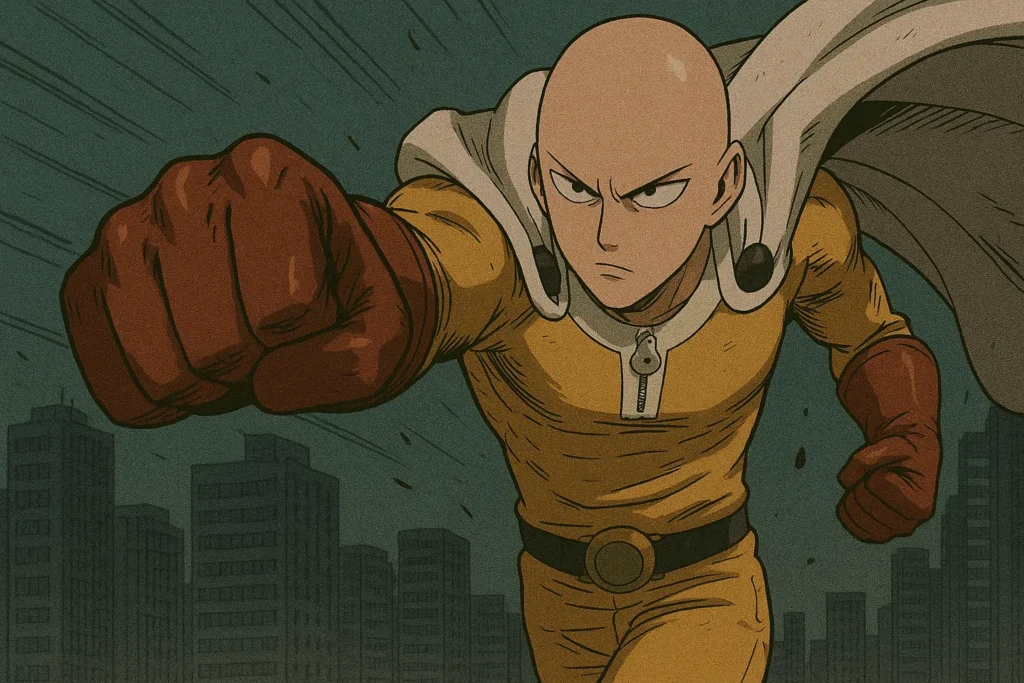
Watching anime offers a world of vibrant storytelling, dynamic art styles, and cultural depth. Whether you’re intrigued by high‑energy action, heartfelt romance, or mind‑bending sci‑fi, there’s a series to ignite every curiosity. But starting out can feel daunting: where to stream, what subtitles to choose, and which genres align with your tastes. This beginner’s guide breaks down the fundamentals of watching anime, from understanding what sets anime apart from other animated formats to selecting key platforms that respect licensing and quality. By the end, you’ll have a clear roadmap to explore Japan’s animated heritage with confidence.
Understanding Anime Basics
Anime distinguishes itself not only by its colorful art but also by the way it adapts famous manga, light novels, and original stories. In contrast with Western animation, anime often features runtime that ranges from short 24‑minute episodes to full movies of 90‑minute duration. It also blends demographic labels such as shōjo, shōnen, seinen, and josei to indicate target audiences. Learning these terms helps you navigate collections and understand why certain story arcs emphasize character growth over action sequences. Knowing the difference between original animation and adaptations can also influence your viewing decisions—many fans gravitate toward series with high animation budgets or unique hand‑drawn styles.
Licensing plays a crucial role in determining where you can watch an anime legally and with high quality. Official distributors, such as Crunchyroll, Funimation, and Netflix, secure rights that vary by region. In some cases, dubbing teams work with original creators to preserve voice work nuances. When searching for a title, double‑check the streaming platform’s license coverage using their search filters or the official Japanese Government sources that list licensed broadcasters. This step protects creators’ revenue streams and guarantees you enjoy the artwork faithful to the original.
Choosing the Right Platform
Choosing the right platform is the first practical decision for watching anime. Here are the key criteria: licensing rights; video quality (1080p/4K); subtitles vs. dubbed options; geo‑unrestricted access; cost and subscription tiers. Among reputable services, Crunchyroll provides the largest catalog for subtitled episodes and a tiered membership structure. For fans who prefer dubbed voice work, Funimation offers an extensive library of English dubs. Meanwhile, Netflix favors original series and exclusive releases. Balancing these factors helps you settle on a subscription that aligns with your preferences.
- Crunchyroll – Subtitles, vast catalog, 4K options
- Funimation – English dubs, subtitled cut
- Netflix – Originals, exclusive titles, region‑wide
- Amazon Prime Video – Selected anime films, free streaming
- HiDive – Niche titles, anime‑only focus
Decoding Genres and Themes
Anime’s genre palette is surprisingly abundant, enabling viewers to find precisely what resonates. Common genres include: Shōnen (action–drama), Shojo (romantic drama), Seinen (adult themes), Horror (Kaiden or Jigoku), Psychological (Kishōtenketsu patterns), Mecha (giant robot), Slice‑of‑Life (Seikatsu), and Fantasy (Yōkai). Each genre carries conventions that influence pacing, visual motifs, and character archetypes. For example, a mecha series often balances introspective themes with sprawling battles, while a slice‑of‑life series typically uses a quiet soundtrack to highlight everyday nuances. Recognizing these distinctions helps you set realistic expectations and discover hidden gems beyond mainstream titles.
Beyond genre, anime frequently explores philosophical and socio‑political topics through abstract narratives. Many series reference Japan cultural influences and heritage presented at official events. Shōjo works often highlight _kankei_ (relationships) and emotional turbulence while seinen tackles corporate ethics and existential dread. Exploring sub‑genres such as isekai (alternate worlds) or tokusatsu (special effects) further expands your perspective. The ability of anime to speak across generations makes it an invaluable cultural bridge.
Tips for Engaging Viewing
Once you’ve navigated the basics, a few viewing tactics can deepen your appreciation. First, start with dubs or subtitles that suit your language comfort – hunting for subtitles in your native language while watching a dubbed version supports both communities. Second, engage with community forums—like the Reddit anime community or the Twitter #Anime subreddit—to discover recommended watch‑lists and hidden classics. Third, watch branching story arcs with a clear sequence; for example, follow the original manga order when possible to experience continuity. Lastly, temper your binge culture: set a realistic schedule to avoid fatigue and to fully process plot twists. These habits will keep your anime introduction refreshing and intellectually rewarding.
Watching anime can transform how you view storytelling, bringing a blend of artistry, emotion, and cultural insight into your daily life. By grounding yourself in basics, choosing reliable platforms, and delving into diverse genres, you build a flexible and respectful fandom. Embrace curiosity, practice mindful viewing, and feel free to share your newfound favorites with friends who share your passion. Start your anime journey today, and open a portal to imagination that spans every age and culture.
Frequently Asked Questions
Q1. What makes anime different from Western animation?
Anime often features higher art detail, longer episode lengths, and diverse demographic labels like shōjo or shōnen. It frequently adapts manga, light novels, or original stories, blending fantasy with cultural subtext. The result is a distinctive aesthetic and storytelling rhythm that appeals worldwide.
Q2. Which platform should I start with for anime?
Start with Crunchyroll for the largest subtitled catalog and 4K options. If you prefer English dubs, Funimation offers a broad dubbed library. Netflix is good for original series, and Amazon Prime carries select anime films.
Q3. Should I watch subtitled or dubbed versions?
Subtitles preserve original voice work and cultural nuances, while dubs make the experience easier for those less comfortable with subtitles. Many fans switch between both; choose what feels comfortable for your language skills.
Q4. How can I navigate anime genres?
Start by identifying the demographic: shōnen for action, shōjo for romance, seinen for mature themes. Then look at sub‑genres like isekai or mecha. Read brief synopses to gauge pacing and tone.
Q5. How do I avoid binge‑watch fatigue?
Set a realistic schedule, like 2–3 episodes per day, and pause to reflect on plot developments. Engaging in community discussions can provide fresh perspectives and keep the experience varied.