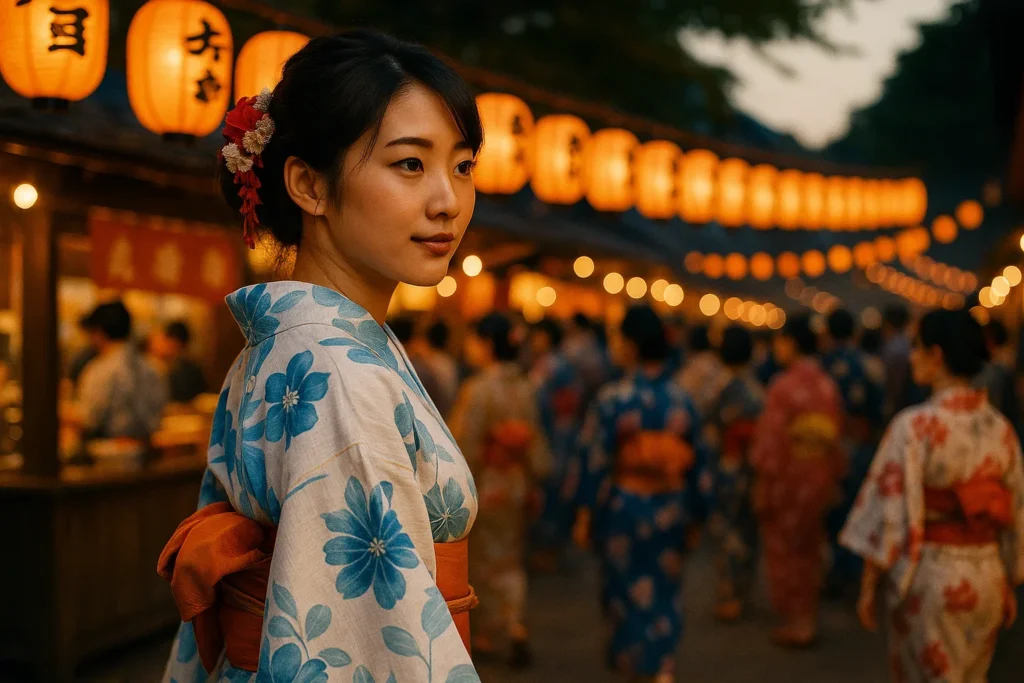
Japanese Cultural Symbols are deeply woven into the tapestry of Japan’s history, society, and spirituality. From the fleeting beauty of cherry blossoms to the revered presence of Koi fish, each emblem carries stories of resilience, hope, and shared identity. These symbols transcend mere decoration; they act as living narratives that connect the past with the present, the individual with the collective. Understanding their meanings not only enriches one’s appreciation of Japanese art and etiquette but also opens a window into the values that have guided generations of Japanese people. In this article, we’ll explore key Japanese Cultural Symbols—Sakura, Tengu, Koi, and Maneki‑Neko—and uncover the cultural context and contemporary relevance behind each one.
Japanese Cultural Symbols: Sakura’s Symbolism
Cherry blossoms, or sakura, are perhaps the most iconic representation of Japanese beauty and impermanence. The brief, breathtaking bloom of sakura has become synonymous with the Japanese approach to life: one that marvels at transient moments while acknowledging a deeper continuity. Historically, the hanami ritual—watching the flowers in spring—originated in the Heian era, when nobility would gather under blossoming trees to celebrate fertility, renewal, and the fleeting nature of youth. In the Edo period, hanami became a popular public pastime, solidifying sakura’s status as a cultural touchstone.
Beyond its aesthetic allure, sakura has played a symbolic role in the Japanese psyche. It represents the impermanence of life, as the blossoms appear for just a few weeks before descending like soft snow. For many, witnessing the flower’s cycle evokes a meditation on the present moment. Today, sakura festivals draw tourists worldwide, while the emblem is used in corporate logos and artistic works to inspire elegance and hope. Sakura
Japanese Cultural Symbols: The Mystery of Tengu
In folklore, tengu are mythical beings that straddle the boundary between humans and nature. Originating from Shinto and Buddhist myth, tender, originally sacred hill spirits, later evolved into mischievous or even malevolent figures. Their distinguishing fan‑like head bears the significance of transformation—tengu are often portrayed wearing a conical hat (kesa) or a red mask, suggesting their alter ego as both healer and trickster. Historically, the kami (spirit) in the hill brought protection to travelers and was invoked by warriors for courage.
Modern interpretations of Tengu have moved beyond folklore. In contemporary art, they often embody adaptability and the enduring Japanese thought that humility and wisdom coexist with confidence. Tengu are also celebrated in festivals such as the Tengu Matsuri, where dancers don masks representing these mythical birds. For designers and pop culture creators, the Tengu symbolically champions resilience, bridging past belief systems with modern aesthetic narratives. For more on the mythical creature, see Tengu.
Japanese Cultural Symbols: Koi Fish as Prosperity
Originating in China, koi fish were introduced to Japan in the 10th century and quickly became a symbol of perseverance, luck, and success. In the Japanese context, koi represent the determination needed to overcome adversity. Their silver scales and vibrant colors epitomize the ideal of “never giving up,” and they are often seen swimming upstream to emphasize this message.
Koi ponds are carefully designed to depict harmony and flow, serving as living meditation spaces. Many families place koi in their gardens to attract positive energy; the fish’s calm demeanor in the pond mirrors the Zen practice of cultivating tranquility amid mental turbulence. The market often incorporates koi imagery on business cards and packaging to suggest reliability and prosperity. To explore the history and cultural resonance, consult Koi fish.
Japanese Cultural Symbols: Maneki‑Neko’s Luck
One of the most internationally recognized icons of Japan is the maneki‑neko, commonly known as the “beckoning cat.” With a palm raised and a whimsical smile, this figurine is traditionally found in storefronts, restaurants, and homes. The creator of maneki‑neko, Hasegawa Tōsen, is believed to have crafted the first version for a herdsman in the late 17th century; the cat was thought to stimulate the local harvest, serving as a talisman of abundance.
Across Japan, variations of the maneki‑neko exist. Some depict a white cat to attract pure wealth, while others show a gold feline for material prosperity. The raised paw may Succeed a symbolic motion of summoning fortune: the right paw invites guests, and the left paw summons money. In contemporary business culture, managers display these coins as a form of office superstition, prefacing them with small claims of inspiration. For readers curious about the cultural spread and design variation, see Maneki‑Neko.
Japanese Cultural Symbols: The Art of Origami
While not always classified among traditional iconography, origami carries profound cultural significance. The Japanese art of paper folding is more than a pastime; it is a manifestation of precision, patience, and mindful craft. Originating in the 18th century, origami was initially a ceremonial practice during the Edo era, used during tea ceremonies and as an ornamental gesture in marriage rites.
The flexibility of origami allows symbols such as crane or flower shapes to communicate hope, healing, or congratulations. In modern networks, the “peace sign” crane—a 15‑thousand‑fold fold—has become a worldwide emblem of peace after World War II, representing the hope that humanity could rebuild and “fold” away the horrors of conflict. To understand how paper folding became a universal cultural vehicle, educators, hobbyists, and scholars reference institutions such as the Japanese Archaeological Institute.
- Sakura (Cherry Blossom) – A fleeting reminder of life’s beauty.
- Tengu – Mythical guardians of resilience and wisdom.
- Koi Fish – Symbols of perseverance and prosperity.
- Maneki‑Neko – Invoking fortune and successful enterprise.
- Origami – Empathy, patience, and creative transformation.
Japanese Cultural Symbols: The Continuity of Meaning
All these symbols share a core of duality—beauty and transience, myth and reality, fortune and effort. They reveal a culture that reveres the fragile, rewards perseverance, and remains constantly aware of its place in the cosmos. They enable practitioners, designers, and tourists to recognize common narratives across centuries, regardless of their background.
From a practical perspective, companies increasingly incorporate these motifs into product design, architecture, and branding. It is not just about aesthetic appeal; each element carries core values that emotionally connect consumers to cultural authenticity. Learning the stories behind these signs thus becomes an essential skill for anyone wishing to engage meaningfully with Japan’s modern economy or heritage tourism.
Ultimately, Japanese Cultural Symbols are living testimonies of a nation’s collective memory. By exploring them, we gain insights into how the Japanese understand challenge, celebrate beauty, and maintain harmony across generations. Whether you’re a traveler, cultural scholar, or simply curious, delving into the layers of these symbols offers a richer appreciation for one of the world’s most intricate cultures.
Discover the depth of Japanese Cultural Symbols—click below to explore further guides and thoughtful resources, and start painting your own narratives with tradition’s most evocative icons.
Frequently Asked Questions
What are the most iconic Japanese cultural symbols?
The cherry blossom (sakura) and the beckoning cat (Maneki‑Neko) are worldwide recognizable. The koi fish also represents perseverance and wealth. The Tengu myth adds a layer of folklore. Origami’s beauty extends beyond craft into symbolism. These symbols embody Japan’s reverence for beauty, resilience, and harmony.
How is sakura related to Japanese philosophy?
Sakura embodies the principle of impermanence (mono no aware). The fleeting bloom reflects the transient nature of all life. Historically, hanami was linked to celebrations of renewal. In modern times, the flower remains a symbol of hope and renewal.
What meaning does the Tengu myth hold in modern Japanese culture?
Tengu are believed to be protective spirits of mountains. Originally guardians of travelers, they have come to represent adaptability and humility. Contemporary festivals celebrate their myth through masks and dances. The motif also appears in graphic design emphasizing resilience.
Why are koi fish a sign of success in business settings?
Koi’s ability to swim upstream symbolizes perseverance amid adversity. The vibrant fish often signify uniqueness. Companies use koi imagery to suggest reliability and forward progress. In gardens, koi ponds represent harmony and steady growth.
How does origami contribute to Japan’s cultural identity?
Origami’s precise folding demonstrates patience and mindful effort. Historically part of tea ceremonies, it has evolved into a universal symbol of peace. The crane, in particular, represents hope after WWII. By folding paper, people practice creativity while reflecting on harmony.