Shinto Buddhist Influence in Japan
Shinto Buddhist Influence shapes countless facets of Japanese life, from daily rituals to cultural aesthetics, guiding how people view nature, community, and the meaning of existence. By weaving together indigenous Shinto spirituality with Buddhist philosophy, Japan has cultivated a rich tapestry of beliefs that inform etiquette, architecture, and the rhythms of modern living. This article unpacks how the fusion of Shinto and Buddhist practices manifests in everyday behaviors, artistic expression, and the collective cultural identity of Japan, illustrating why this unique blend remains essential to understanding Japanese lifestyle.
Morning Practices: A Synced Spiritual Routine
- Shinto Taboo Observations: Beginnings of the day are marked by shrine visits or lighting of incense under household kami, granting blessings for safety and fortune.
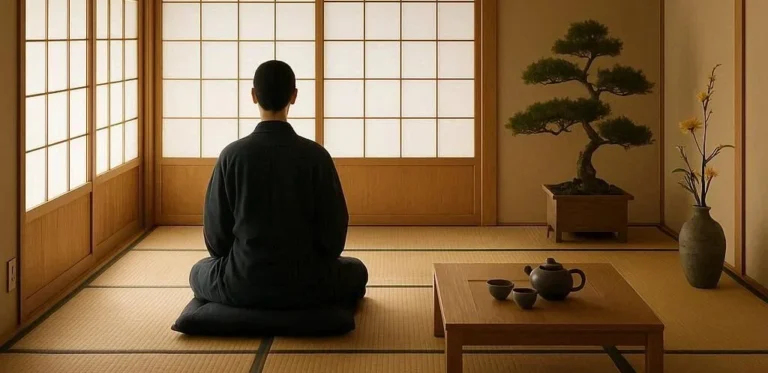
- Buddhist Mindfulness Breathing: Many Japanese incorporate short meditation sessions, inspired by Zen and other Buddhist traditions, before starting work or school.
- Blended Rituals: Families often perform both Shinto purification (misogi) and Buddhist “omamori” charms, creating a layered protection that covers spiritual and material realms.
- Community Syncing: Office colleagues gather at company shrines or temples for collective prayers, reinforcing workplace harmony and shared purpose.
The Role of Shinto Shrines in Social Cohesion
Unlike private temples, Shinto shrines (jinja) serve as community hubs. During festivals such as the New Year or Obon, neighborhoods gather to carry portable shrines (mikoshi) through streets, ensuring the kami’s protection over the canton. The practice solidifies social bonds, with local residents participating in the construction of festival floats, preparing traditional foods, and rehearsing folk dances. The shared sense of piety fosters a strong community identity that persists in urban environments where apartment complexes may still host seasonal mikoshi processions.
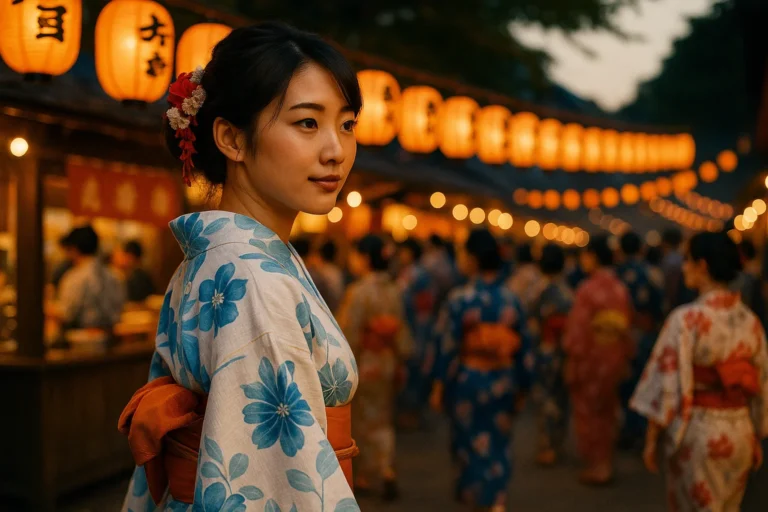
Shinto shrines also host seasonal festivals that employ Shinto customs such as taiko drum performances and yatai stalls, reflecting nature’s cycles and humanity’s gratitude. These gatherings blur the line between ceremony and celebration, emphasizing that spirituality in Japan is lived rather than merely observed.
Buddhist Concepts Shaping Japanese Aesthetics and Lifestyle
The introduction of Buddhism in the 6th century introduced new worldviews that reverberated across Japanese art, design, and daily conduct. Key elements include:
- Zen Minimalism: The Buddhist emphasis on simplicity manifests in architecture, interior design, and gardens aimed at achieving tranquil contemplation.
- Impermanence (Mujō): Every ritual—whether a tea ceremony or a seasonal planting—reminds participants that all exists in a transient state, encouraging mindful presence.
- Interconnectedness (Pratītyasamutpāda): The belief that all phenomena arise in relation to one another leads to a reverence for natural materials such as bamboo, ink, and paper.
- Non-attachment: Shaping consumer preferences, many Japanese prioritize craftsmanship over mass production, valuing items that carry deeper significance.
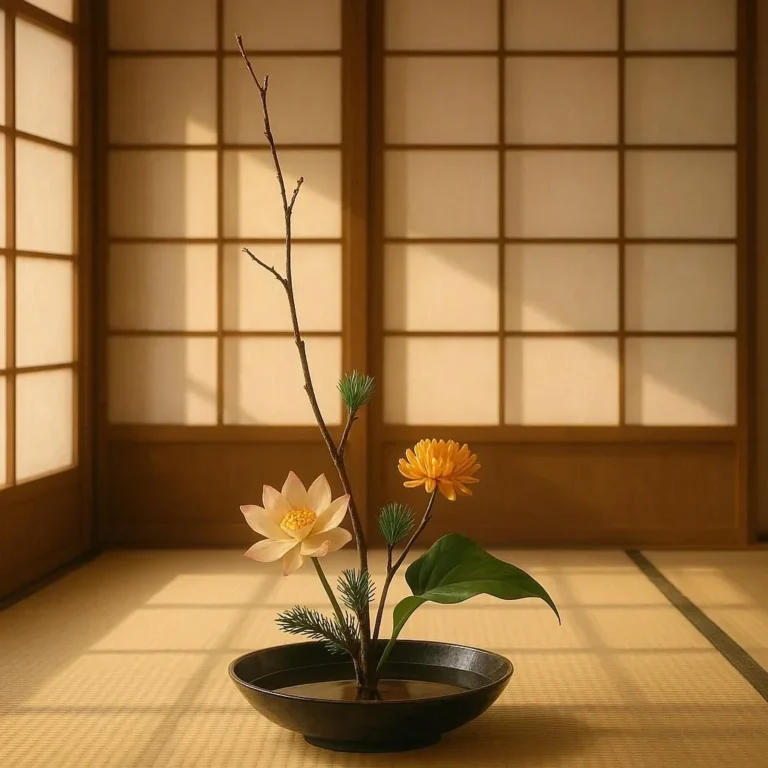
These Buddhist ideals complement the Shinto reverence for kami in nature, creating an aesthetic in which both the material and the spiritual co‑exist harmoniously. Design trends like ikebana (flower arrangement) and zen gardens showcase this synthesis, offering a living meditation space within the home.
Daily Practices that Blend Shinto and Buddhist Beliefs
Throughout the year, Japanese households maintain rituals that reflect this deep religious integration:
- Grandparents place a Shinto talisman on the kitchen counter for protection against culinary mishaps.
- In classrooms, students recite Buddhist chants like the Heart Sutra before starting classes, reflecting hope for clarity and unity.
- Public spaces often feature small shrine enclosures with stone lanterns (ensō) and a table where commuters can leave offerings; an example of the prevalence of Buddhism in Japan
- During holidays, families attend both a Kaiseki dinner reminiscent of Buddhist abstinence (lenten cuisine) and visit the local shrine for a New Year blessing.
These intertwined practices illustrate the subtle way religious philosophy informs everyday decisions—a cultural layering that continuously conveys respect for both the seen and unseen in public and private spaces.
Societal Impact: Innovation, Consent, and Cultural Resilience
The Shinto Buddhist fusion is a catalyst for innovation. The principle that everything is connected underlies a society that values teamwork, the ability to adapt, and the drive to improve. The concept of “mono no aware,” a sensitivity to impermanence, encourages seasonal and cyclical design, reflected in the resurgence of local produce and the “hygge” of community sharing.
In conflict resolution, Buddhist compassion paired with Shinto collective “kōdo”—empathy rooted in community—creates frameworks that prioritize dialogue and communal well‑being. These frameworks influence everything from workplace practices that emphasize kaizen (continuous improvement) to governmental policies that incorporate mental health support reflective of mindfulness training.
Exploring More: Resources and Places to Visit
If you’re curious to experience this cultural blend first‑hand, consider visiting: JapanTourism Agency provides a curated list of temples and shrines friendly to both Buddhists and Shinto adherents, such as the historic Asakusa Sensō‑ji and the Fushimi Inari Taisha. UNESCO’s list also honors sites that embody this religious integration, drawing millions seeking to engage deeply with Japan’s heritage (UNESCO World Heritage).
Conclusion: Embrace the Harmony of Lives
Shinto Buddhist Influence is far more than a religious footnote; it’s the beating heart of everyday living in Japan. This intertwined philosophy shapes rituals, design, social structures, and personal well‑being. By understanding this dynamic, you gain insight into the subtle ways Japanese people navigate the world—respecting the fleeting nature of the present, honoring community harmony, and embracing spirituality in the most pragmatic forms.
Start exploring today: immerse yourself in local shrines, partake in tea ceremonies, and observe the daily habits that carry the blend of Shinto and Buddhism. The path to a deeper appreciation of Japanese lifestyle begins with a single mindful step.
Frequently Asked Questions
Q1. What is Shinto Buddhist Influence in Japan?
Shinto Buddhist Influence refers to the blending of indigenous Shinto spirituality with Buddhist philosophy that has shaped Japanese culture for centuries. It appears in rituals, art, and everyday practices, creating a unique spiritual landscape. Modern Japan still feels its impact through festivals, architecture, and social norms that honor both kami and buddha. This synthesis highlights the fluid nature of Japanese religious identity and its continuous evolution.
Q2. How do Shinto and Buddhist practices coexist in daily life?
Many Japanese households perform both Shinto purification rites and Buddhist meditation before starting the day. Schools often combine Buddhist chants with Shinto blessings. Public spaces showcase shrine enclosures alongside Buddhist temples, allowing people to address both spiritual realms simultaneously. This coexistence reinforces community cohesion and personal mindfulness.
Q3. What are some common rituals that blend both traditions?
Morning routines often include incense burning, a Shinto misogi, and a brief Zen breathing exercise. During festivals, families fire torches from Shinto shrines then light Buddhist lamps, creating a shared atmosphere of gratitude. Offices hold collective prayers at company shrines and temples, intertwining corporate harmony with spiritual well‑being. These rituals visibly merge the two traditions.
Q4. How does this fusion affect Japanese aesthetics and design?
The Buddhist emphasis on impermanence and minimalist Zen informs Japanese architecture and interior décor, while Shinto reverence for natural kami shapes garden layouts and decorative details. Elements like bamboo, stone lanterns, and tea houses reflect this blend, producing spaces that encourage contemplation and respect. Design trends such as ikebana and zen gardens showcase this harmonious aesthetic.
Q5. Where can I experience Shinto Buddhist influence firsthand in Japan?
Visiting iconic sites such as Asakusa Senso‑ji Temple and Fushimi Inari Taisha offers a front‑line view of the blend. The Japan Tourism Agency lists numerous shrines and temples that cater to practitioners of both traditions. UNESCO World Heritage sites in Japan provide historical context for their shared heritage. Engaging in local festivals, tea ceremonies, or community processions provides everyday encounters with the blend.