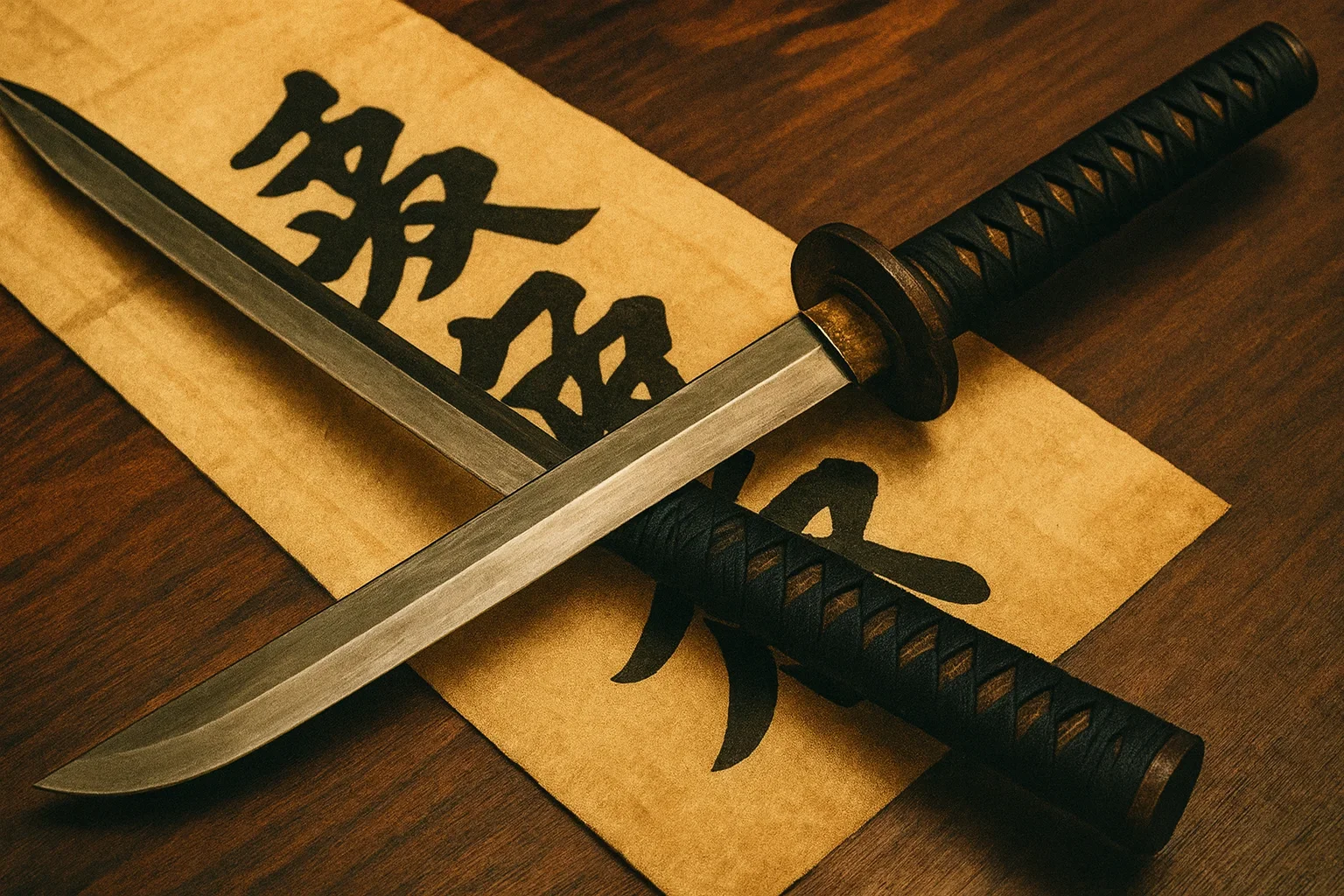
Samurai Armor Displays Tradition
Samurai Armor Displays in traditional festivals are more than mere reenactments; they are living relics that breathe the spirit of Japan’s feudal past into the vibrant, modern celebrations of the present. These meticulously crafted sets—featuring kabuto helmets, daisho sword pairs, and layered cuirasses—shortly transform dancers, mask makers, and enthusiasts into figures straight out of a *Shōgun* chronicle. Each flick of a banner, each drumbeat echoes the cadence of a centuries‑old military code, and every polished leather guard whispers stories that fascinate the local community and art scholars alike.
Historical Roots of Samurai Armor in Community Celebrations
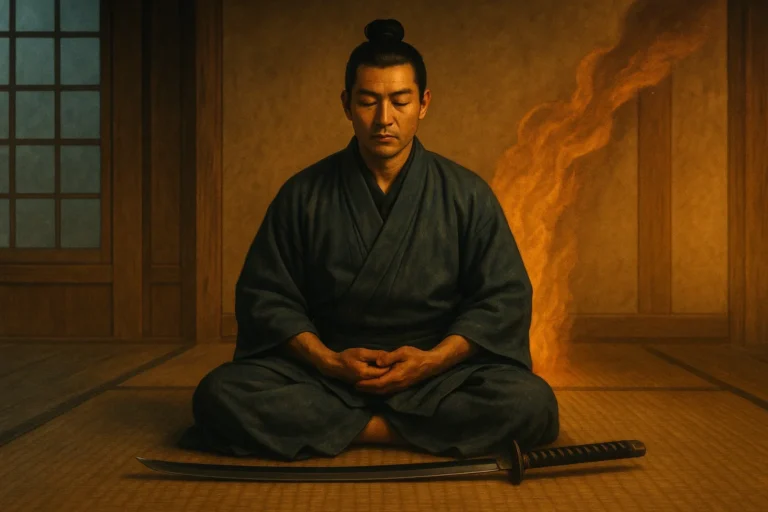
To understand why samurai armor continues to appear in festivals such as Gion Matsuri, Hakata Gion Yamakasa, and Spring festivals in Kyoto, we must trace its heritage back to the *buke* class of warriors who ruled during the Sengoku period. Armed with tight‑fitting lamellar plates and man‑made iron or horsehair coverings, the samurai revolutionized battlefield tactics. However, by the Edo era, the Tokugawa shogunate’s strict bakuhan system curtailed large‑scale militaristic displays. The space that once thrummed with battles instead turned into festivals, showcasing the elaborate costumes and armor as a cultural display rather than a weapon of war.
Sources such as the Wikipedia entry on Samurai confirm that “the samurai class—as warriors—was a predominant Japanese socio‑political and cultural institution.” The armor itself was later adapted for riot protection, ceremonial gates, and even the choreography of modern pageants. Consequently, the armor’s presence at festivals is a visual link to the disciplined aesthetic and tradition preserved by performers for over 400 years.
Key Components of the Samurai Armor Set
While any replica is impressive, the real artistry lies in the details. Below are the six primary elements you’ll often see in a traditional samurai armor display, followed by the materials that give each piece its distinctive character:
- Kabuto (Helmet) – Typically a rounded iron shell with metal plates. It often bears a crest that denotes the family crest of the owning daimyo.
- Men (Face Guard) – A front guard that provides both protection and a stylized ornamental design. Sometimes it carries a color‑coordinated *kureta* (metal hoop).
- Dō (Cuirass) – A ribbed, layered torso armor that is both lightweight and sturdy. The pattern of scales is known as *kōkō* and is painted with symbolic motifs.
- Sode (Shoulder Guards) – Large wooden or lacquered paddings that reinforce the upper back and shoulders.
- Kote (Arm Guards) – Flexible, leather‑based arm armor with metal fasteners.
- Haidate (Hip Guards) – Multi‑layered leg protection that is both stamped with *tō’ō* patterns for decoration and designed for mobility.
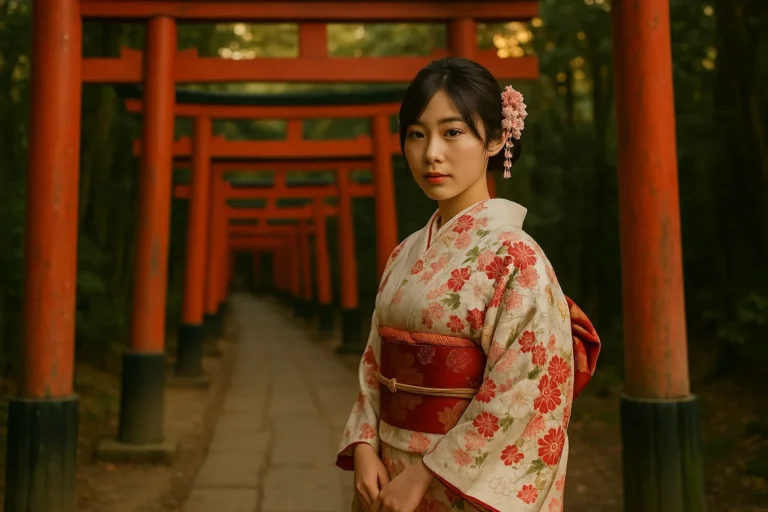
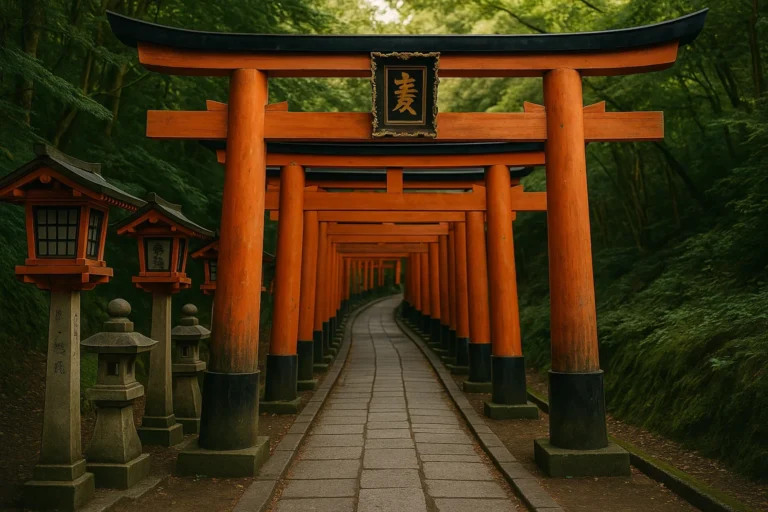
These pieces were worked by master craftsmen, and their assembly reflects the symmetry and balance that early Japanese art has emphasized for centuries. The same geometric precision appears in traditional *kimono* sleeves and *torii* archways—an aesthetic convergence that becomes evident during festivals.
Where to See Authentic Armor Displays
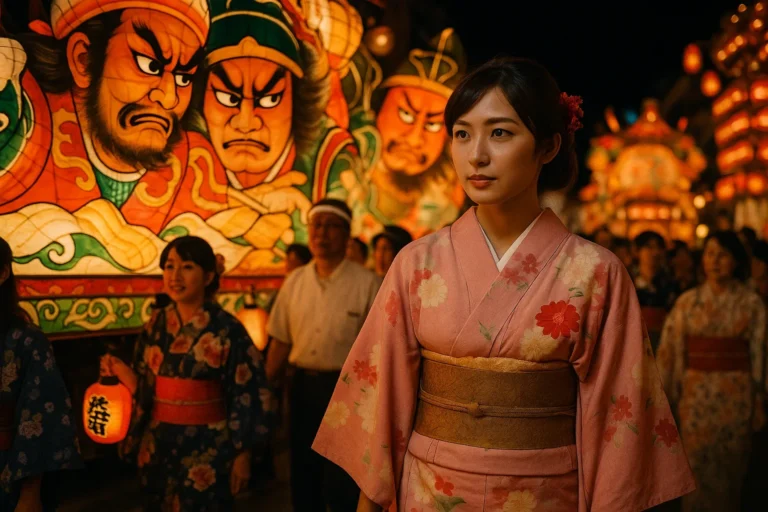
Across Japan, local festivals carefully choreograph armor displays to rival the visual grandeur of historical war banners. Below are three prominent examples, each serving a unique cultural narrative:
- Gion Matsuri (Kyoto, Yamashiro‑Kōenji) – In this 1,300‑year‑old festival, the *Gion Gohō* float parade showcases a “Dorokō” type armor’s sleek edges, with each participant wearing a *gatō* designed to match Kyoto’s *Uji River* echoes.
- Hakushū Matsuri (Manju‑Ishikawa) – With a history rooted in the Hokuriku region, this festival’s *Warabe Japan*-style armor features tribal patterns etched into the *haidate* to reflect local craftsmanship.
- Tokyo Taiyū (Shinto Shrine Festival) – Here, samurai armor is paired with modern taiko drumming in a fusion that demonstrates how Japanese festivals continue to evolve while honoring the martial tradition.
These displays are often accompanied by traditional music percussively led by a taiko ensemble, illustrating how armor is not isolated but part of a larger performance that showcases the *shunpon* or “battle rhythm.”
Crafting Authentic Armor for Modern Performers
Today, artisans employ contemporary materials such as fiberglass or kevlar for safety while meticulously replicating the *kōgei* technique used by samurai blacksmiths. Teachers at the Japan Institute of Craft Studies and nationwide universities provide both lectures and workshops on the process of restoration and replica creation. These programs highlight key steps such as painting *yamato‑ori* (Japanese lacquer) dyes, sealing the metal with a thin enamel layer, and securing protective coatings that prevent corrosion during festival readiness.
Financial support for such craft often comes from local governments. The Japan Agency for Cultural Affairs has published guidelines encouraging municipalities to fund artisans who maintain the ***cultural heritage*** of samurai armor. This grant system ensures each armor piece tends not only to be visually stunning but also to carry the ethnic identity of each region’s performative history.
Visceral Experience: From the Crowd to the Participant
Standing beside a warrior in full armor can create a bond across time. The armor’s polished surfaces reflect the festival’s fireworks, while the participant’s breath is masked by the subtle hum of wood and steel. When the parade moves in unison, the rhythmic tapping of *bōzu*—the wooden clapper—resonates across the crowd and invites a collective moment of awe, transcending the viewer to feel a part of the battlefield’s echo.
Get Involved: How You Can Experience Samurai Armor Displays
If you wish to immerse yourself in the awe‑filled atmosphere of samurai armor displays, plan a visit to Kyoto’s Gion Matsuri during the first week of July. Alternatively, join the Tokyo Taiyū festival for a front‑row experience where you can walk among the armor set, feel the weight of history, and witness the fusion of ancient tradition with modern pride.
Take action today: discover samurai armor displays, embody history, and bring a piece of Japanese heritage into your learning journey!
Frequently Asked Questions
Q1. What is a samurai armor display?
A samurai armor display is a reenactment of a samurai’s traditional armor worn during Japan’s feudal era, showcased in festivals.
Q2. How are modern replicas made?
Contemporary craftsmen use materials such as fiberglass or Kevlar, adhering to historic kogei techniques while providing safety.
Q3. Which festivals feature samurai armor?
Notable festivals include Gion Matsuri, Hakata Gion Yamakasa, and Tokyo Taiyū, where armor is part of floats and parades.
Q4. Why do samurai armor displays matter culturally?
They preserve Japanese martial aesthetics, strengthen community identity, and connect visitors with over 400 years of history.
Q5. How can I experience a samurai armor display?
Plan a trip to Kyoto in early July for Gion Matsuri, or visit Tokyo’s Taiyū festival to see armor in action and feel its weight.