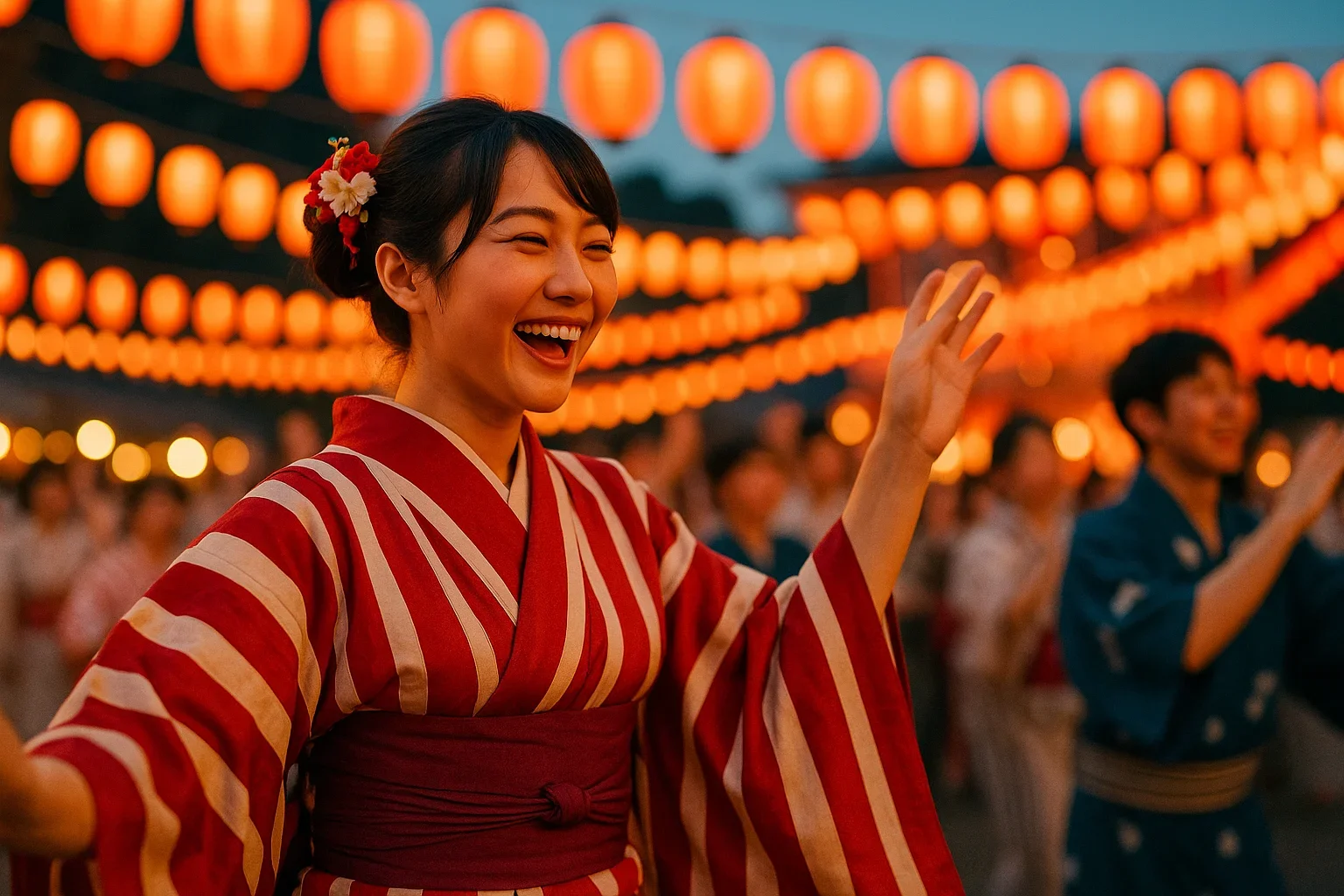
Yakuza Participation in Festivals
Yakuza Participation in Cultural Festivals reveals a complex intersection between organized crime and Japan’s rich holiday traditions. Far from the image of violent syndicates, members of the Yakuza often take on visible, sometimes ceremonial roles at local festivals, a phenomenon rooted in the after‑war period when social order was fragile and community bonds were urgently needed. This article dissects how Yakuza groups leveraged public celebrations to cement legitimacy, proselytize influence, and secure financial footholds, while also exploring the legal and societal responses that have since reshaped the landscape.
Historical Roots of Yakuza Involvement
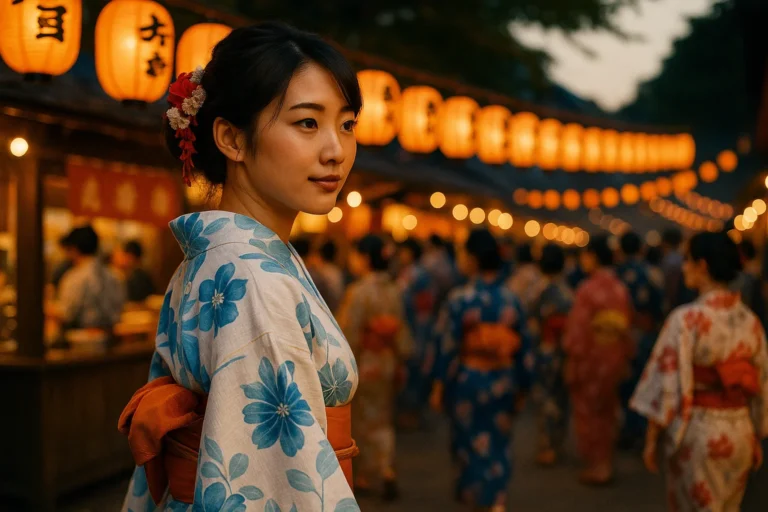
The post‑war era of the 1950s and ’60s was a formative period for both the Yakuza and Japan’s civic life. With the nation’s traditional patron‑age systems in flux, many Yakuza families turned to festivals—known as matsuri—as social glue that could unite disparate groups under a shared cultural banner. The Yakuza capitalized on their history of samurai ethos and “code of honor,” positioning themselves as protectors of community traditions during a time of rapid modernization.
Historians cite that the rise of “bakuto” gambling dens coincided with local festivals where large crowds gathered, providing ideal conditions for clandestine betting operations. The Yakuza’s entry into festival economies was further facilitated by the 1950s Ministry of Justice’s lenient stance on organized crime, allowing clandestine chapters to operate with a veneer of respectability.
In many instances, Yakuza members served as festival security, overseeing game booths and ensuring that gambling odds remained favorable to syndicate interests. By participating in these culturally significant events, the Yakuza grew perceived community value, a strategy later documented in academic studies such as those published by the University of Tokyo’s Center for Social Studies.
Community Festivals as Recruitment Grounds
Beyond economic ventures, festivals offered Yakuza aspirants an informal recruitment ground. Youthful participants in fire‑walking ceremonies, drum‑drumming, or lantern‑parading teams were often invited to join under the guise of mentorship. This practice allowed the Yakuza to tap into local identity and ritualistic pride, turning ceremonial duties into avenues for initiation.
- Fire‑walking (hi‑sumo) teams, where organizers controlled who could pass, became a channel for vetting applicants.
- Lantern striking contests, often sponsored by clan leaders, provided a framework where participants demonstrated loyalty.
- Traditional drum ensembles were staffed by seasoned enforcers who taught music and discipline simultaneously.
- Economic cooperatives run by Yakuza members supplied festival food stalls, structuring contracts that favored insiders.
The festival context also authenticated an underground network’s legitimacy, especially for those who lacked formal education. These symbolic acts blurred the line between cultural celebration and covert operations, a duality chronicled in the Japanese government’s 2018 report on organized crime influence.
Economic and Symbolic Significance
By the 1980s, the Yakuza’s economic footprint at festivals had deepened. Syndicates owned major sponsorship agreements, negotiated vendor rights, and managed ticketing systems. The financial infusion supported not only the syndicate’s turf wars but also community projects—such as public bath renovations or shrine repairs—creating a paradoxical public champion.
From a symbolic standpoint, the Yakuza’s presence at festival parades was no coincidence. According to cultural scholars, the roles of “kuroneko” (black cat) emblem or the “shishin” (leadership figure) mirrored the Yakuza’s hierarchical structure. These visual symbols were broadcast across media outlets, including local television stations and print journalism, thus reinforcing the syndicate’s standing as part of the cultural mainstream.
Legally, the Japanese Ministry of Interior published studies in 1996 to delineate permitted activities of organized crime within public events. While some participation was undeniably tolerated, the line was often ambiguous, leading to legal gray areas where Yakuza groups exploited festival law‑enforcement loopholes.
Modern Perception and Legal Challenges
In recent decades, Japan’s legal framework has tightened its stance against organized crime, with the Anti‑Organized Crime Law of 1991 setting stricter penalties. This shift spurred a comparative backlash: Yakuza clans began pulling back from high‑profile roles at festivals, yielding ground to volunteer associations.
Public perception has also evolved. Media coverage—especially from major outlets like Nippon.com—has highlighted cases where Yakuza members were caught facilitating illicit gambling from the comfort of festival stages. As a result, municipalities have replaced syndicate-backed vendor contracts with transparent tender processes, offering openings to small, local businesses.
The Tokyo Metropolitan Government’s recent initiative, documented on its official site, requires that all festival organizers obtain a “community character” certification, explicitly excluding known affiliations with organized crime groups. This move reflects the broader trend: a shift toward a “clean” festival environment that upholds cultural integrity without the shadow of criminal influence.
Despite these measures, some festivals still exhibit lingering Yakuza symbols in background ornamentation, and sporadic reports from academic journals note residual undercurrents. The future of Janda participation remains a subject of ongoing inquiry among scholars focusing on Japanese subcultures and criminal governance.
Strong Completion and Call To Action
Conclusion: Yakuza Participation in Cultural Festivals illustrates how organized crime can intertwine with tradition, casting a presence that mixes cultural reinforcement with covert profiteering. Though recent legal reforms have curtailed overt criminal roles at festivals, the historical narrative remains a vital glimpse into how societal dynamics evolve. By preserving cultural authenticity while scholars and policymakers actively dismantle illicit footholds, Japan can ensure its festivals remain vibrant, community‑driven celebrations free from criminal influence.
Ready to explore more about Yakuza history and cultural preservation? Visit Japan’s Guide to Festivals for deeper insights.
Frequently Asked Questions
Q1. Why did Yakuza become involved in Japanese festivals?
The post‑war era left many communities fragmented. Yakuza used festivals as a way to gain legitimacy, provide community services, and build influence among locals. By appearing in a positive public light, they could mask illicit activities.
Q2. What roles did yakuza members play during these events?
Roles ranged from security and vendors to ceremonial participants such as fire‑walking teams. They also managed gambling booths, negotiated sponsorships, and sometimes promoted the festival through their networks.
Q3. How did the government respond to this involvement?
In 1991 the Anti‑Organized Crime Law tightened penalties, and later regulations required municipalities to vet affiliates. Today most festivals use transparent tenders, limiting criminal participation.
Q4. Are there still traces of yakuza influence in modern festivals?
Some festivals still display symbols or have informal ties to former syndicate members, but most authorities actively remove such influences. Small businesses now tend to run vendor stalls, reducing the syndicates’ economic foothold.
Q5. What impact has this history had on Japanese cultural preservation?
The intersection has highlighted how crime can masquerade as tradition, prompting stricter oversight. It also spurred efforts to preserve festivals authentically, free from criminal interference.