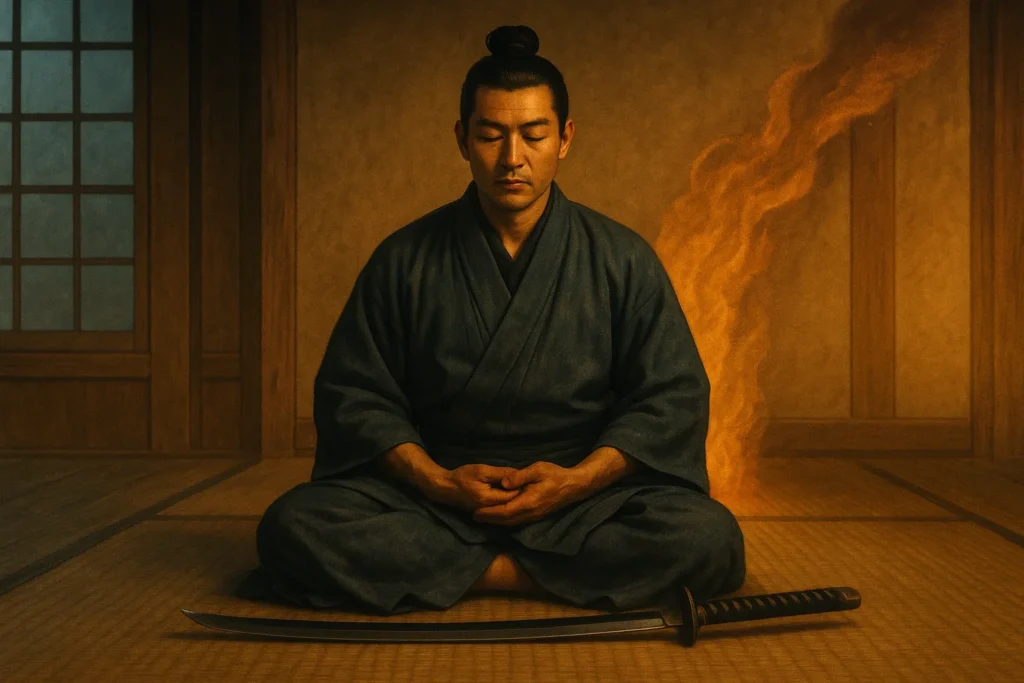
When it comes to Japanese culture, the concept of hospitality — or omotenashi — is often associated with chameleonic elegance, punctual service, and meticulous attention to detail. Yet a subset of this cultural phenomenon, rooted in the traditions of the samurai, offers a distinctly martial perspective on how to greet, treat guests, and maintain dignity. Samurai hospitality is governed by a set of principles that emphasize humility, respect, and the careful cultivation of the relationship between host and guest. This article delves into those customs, clarifying how they echo in modern Japanese society and what visitors can learn from the samurai’s disciplined etiquette.
Origins of Samurai Hospitality
The samurai class arose during the Heian and Kamakura periods as a warrior elite tasked with protecting feudal lords and governing lands. Their code of conduct, known as bushidō, dictated ideals such as loyalty, courage, and moral rectitude. One of the lesser‑known tenets of bushidō is the expectation that samurai extend gracious hospitality to allies, nobles, and even competitors when the context calls for it. This paradoxical blend of stern warfare and refined courtesy set the stage for a unique protocol that is still evident at formal gatherings today. According to the Bushido article on Wikipedia, the samurai “valued the collective well‑being, placing it above personal gain,” which naturally translated into hospitality as a form of social cohesion.
The Core Elements of Samurai Hospitality
Five key elements define samurai hospitality: bowing etiquette, tea ceremony humility, ate‑and‑drink protocol, formal greeting, and gift exchange. (Note: some academic sources also distinguish “mentally preparing oneself” as the final element.) Below are the main focal points each of these elements encompasses.
- Bowing Etiquette: When a samurai greets a guest, the bow is not a mere physical gesture but an embodied declaration of respect. Standard bows ranged from a gentle nod for equal peers to a profound deep-fold for higher lords, a practice that continues in modern Japanese restaurant patrons who bow before entering and exiting. The Japanese customs page tracks this walking handshake as both a sign of humility and public adherence to hierarchy.
- Tea Ceremony Humility: The tea ceremony, or chanoyu, acts as a cultural laboratory for etiquette. The samurai’s handwork in host‑guest rapport is mirrored by the meticulous stirring of matcha, careful placement of cups, and deliberate silence. The Tea ritual article shows how this practice promiscuously blends warrior precision with compassion.
- Ate‑and‑Drink Protocol: After the tea, meat and rice bowls are served sequentially to reflect the idea that one should never “rush the meal” or overindulge. The rice bowl, or chōkugan, is a staple fairness marker. When paired with a respectful “itadakimasu,” the act fosters community spirit.
- Formal Greeting: The *hajimemashite* phrase, humans greet each other using “nice to meet you” as the foundation. The samurai practiced a custom of feeling the pulse before greeting to acknowledge the life force inherent in the other. The Wikipedia page on Hajimemashite details how this is still used today to convey sincerity.
- Gift Exchange: The exchange of *omiyage* or souvenir holds relevance in the samurai method: it is a detection of mutual reverence for traditions, formed in a small box of colored paper that presents the host’s attention to detail. The inn form of hanko (personal seal) in the Hanko Wikipedia article demonstrates how a host’s identity is conveyed during a formal gift.
Comparing Samurai Hospitality to Traditional Japanese Tea Etiquette
While the tea ceremony is often considered the pinnacle of Japanese etiquette, the samurai’s approach to hospitality extends beyond the tea room. By exploring the parallels, travelers can appreciate how the samurai’s mental discipline and the modern Japanese emphasis on “Japanese tea ceremony” integrate into daily social life. The samurai’s top-of-the-head tradition — serving the guest honorably before oneself — manifests in modern corporate etiquette, where senior executives offer the first business card.
How to Practice Samurai Hospitality as a Visitor
Visitors wanting to honor the samurai’s pathway need only observe simple, measurable steps:
- **Greet with a proper bow**: A 30° angle matches the guest’s status.
- **Sit politely**: Remain seated on the floor or chair until the host initiates the conversation.
- **Offer or accept a complimentary item**: If a matcha cake or rice cake appears, accept with both hands.
- **Use polite language**: Phrases such as *arigatō gozaimasu* show humility.
- **Express gratitude**: When leaving, bow again and say *mata gozaimasu*.
This set of rules, reminiscent of the samurai’s devotion to skill, can foster mutual respect and cultural understanding.
Conclusion and Call to Action
Samurai hospitality customs teach a profound lesson that spirit and resolve must meet grace and generosity. By appreciating and adopting at least one of these principles, you can elevate your own interactions anywhere in Japan and deepen meaningful relationships. Embrace the samurai ethos in your everyday exchanges, and let the spirit of omotenashi guide your journey. Contact a local cultural liaison today to undertake a proper samurai‑style welcome for your upcoming visit – we are here to help you master each bow, each quiet moment, and each respectful hello. Ready to step into the past and future of Japanese hospitality? Schedule a consult with our cultural experts now!
Frequently Asked Questions
Q1. What is samurai hospitality, and how does it differ from general omotenashi?
Samurai hospitality is a subset of the broader Japanese concept of omotenashi, shaped by the bushido code of the warrior elite. While omotenashi focuses on sincere, anticipatory service for all guests, samurai hospitality places a stronger emphasis on humility, respect, and the strict hierarchy of ranks. It incorporates martial precision, such as measured bows and ritualized tea service, that reflect the samurai’s disciplined ethos.
Q2. How are bows used in samurai hospitality?
Bowing is both a physical gesture and a symbolic declaration of respect. Samurai tailored the angle and depth of the bow to the guest’s status— a gentle nod for equals, a 45‑degree bow for peers, and a deep 90‑degree bow for lords. In contemporary settings, formal greetings at restaurants or ceremonial events still mirror these distinctions, maintaining the hierarchy even in a modern context.
Q3. What role does the tea ceremony play in samurai hospitality?
The tea ceremony (chanoyu) serves as a cultural laboratory where precision meets compassion. Samurai practiced mindfulness by carefully preparing, serving, and receiving matcha, synchronizing movement and silence with the guest’s comfort. This structured ritual reinforces mutual trust and highlights the samurai’s commitment to honor and attention to detail.
Q4. How do samurai guests handle gift exchange?
Gift exchanges were a subtle but powerful way to acknowledge respect and loyalty. Samurai wrapped presents in colored paper or used personal seals (hanko) to signal identity and sincerity. Giving a gift with both hands and expressing gratitude for its receipt preserved the dignified relationship between host and guest.
Q5. What simple steps can visitors take to practice samurai hospitality?
Visitors can emulate samurai etiquette by greeting with an appropriate bow, accepting offerings with both hands, using polite phrases like “itadakimasu,” expressing gratitude when leaving, and respecting the host’s ritual order. These modest gestures help honor the spirit of bushido and foster cultural understanding during the visit.