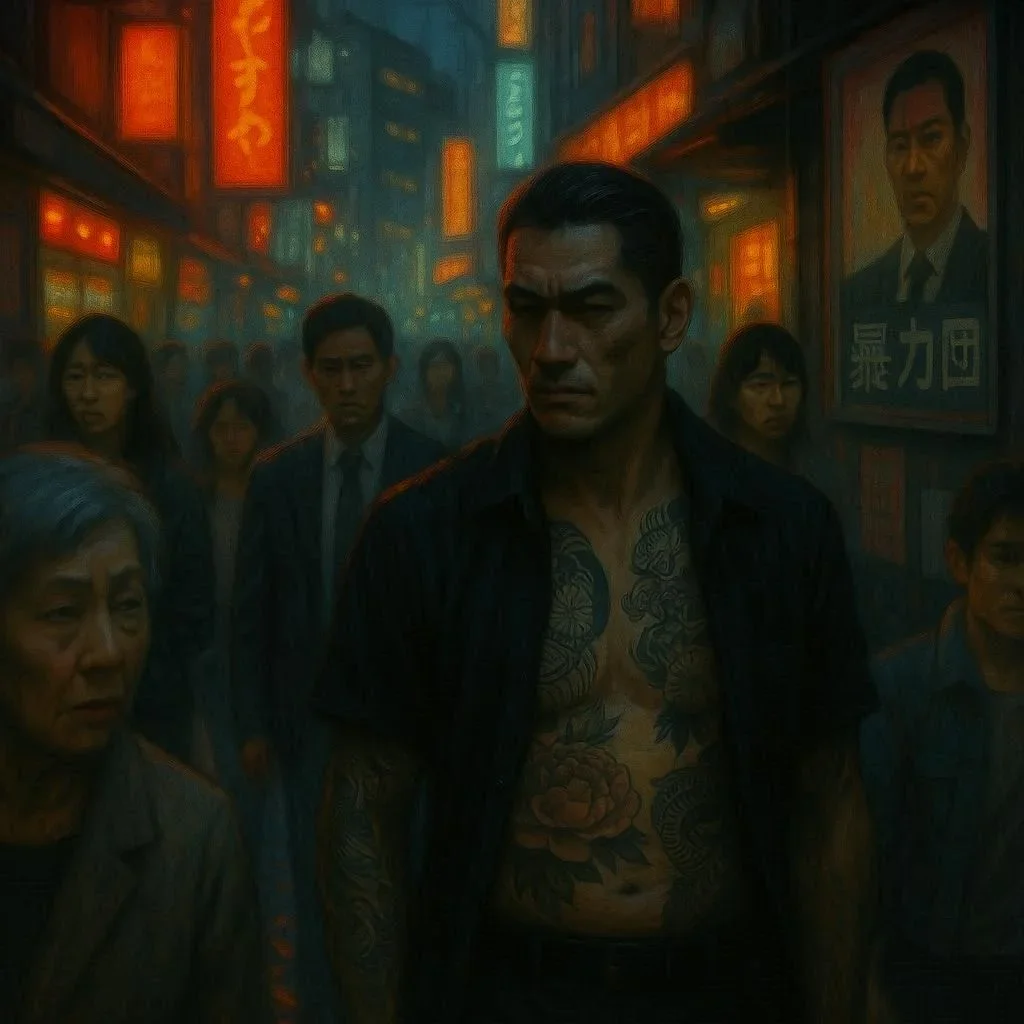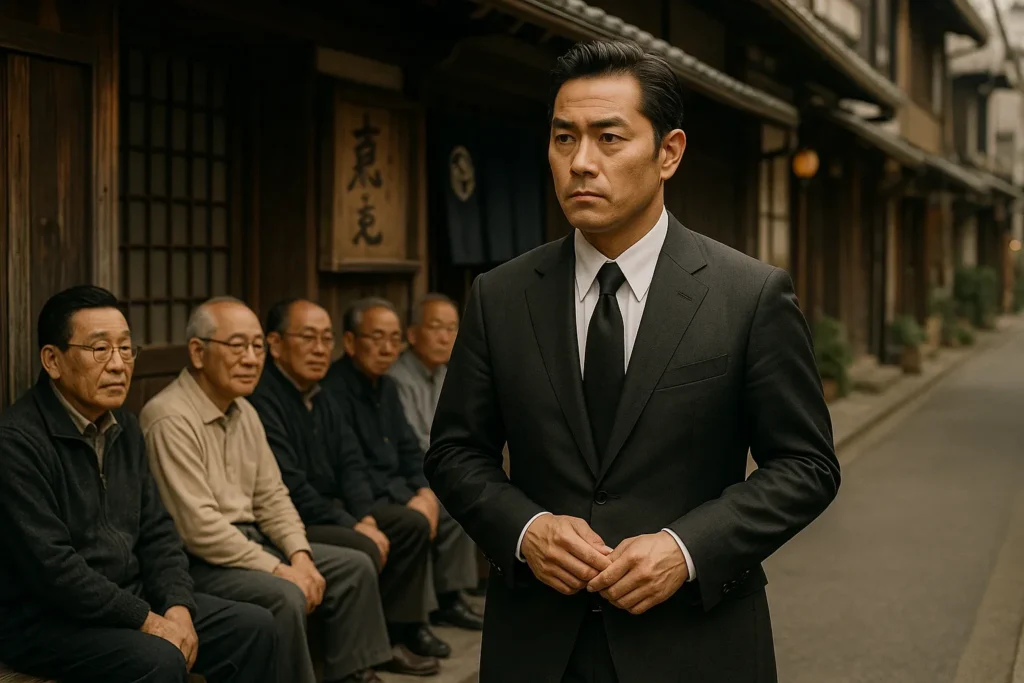
In the complex tapestry of Japan’s criminal history, the Edo Period Norms Shaped Yakuza narrative reveals how centuries of social codification, economic disparity, and cultural values gave rise to a unique organized crime system. The Edo era (1603–1868) introduced rigid class structures, a flourishing merchant class, and a pervasive emphasis on honor and loyalty—elements that persist in modern Yakuza rituals. By examining these historical underpinnings, one gains a richer understanding of how the Yakuza’s contemporary practices mirror the ethical paradoxes they inherited from the Tokugawa regime.
1. The Tokugawa Code: Foundations of Loyalty and Hierarchy
During the Edo period, Edo Period governance enforced strict social stratification, grouping society into four main classes: daimyo (feudal lords), samurai, farmers, and merchants. The samurai class instilled a code of conduct—bushido—centered on loyalty, courage, and personal honor. Even merchants and artisans adopted a modified form of this code in their guilds and rice brokerages. When a group of fishermen or rice traders found themselves betrayed by a formal authority, they formed *yakuza* gangs to impose their own “code of conduct.” This early iteration of the Yakuza reflected the ethos of the samurai, ensuring ethical conduct and group cohesion even within a criminal framework.
2. Economic Saturation and Merchant-Class Ethics
The Edo era’s long peace led to a boom in urban centers such as Edo, Osaka, and Kyoto. A burgeoning merchant class emerged, wielding wealth yet lacking social status. These merchants cultivated a *shakunin* lifestyle—an emphasis on meticulous business practices, meticulous record-keeping, and a strong sense of mutual responsibility.
When illicit activities entered the scene, *yakuza* adopted these merchant ethics. They maintained meticulous ledgers, upheld strict confidentiality, and cultivated an “honor code” that linked profitable enterprise with social responsibility. This blend of commerce and criminality illustrates how economic saturation fueled the rise of organized crime, as Yakuza members leveraged merchant protocols to build long-term networks. The result is a criminal organization that respects contracts, values consensus, and operates with disciplined corporate strategies—an echo of Edo commerce.
3. Symbolic Rituals Rooted in Edo‑Period Customs
- Red‑envelope compliance: The early Yakuza used red envelopes (*kōhaku*) to receive or transfer money, a practice originating from Edo period gift-giving customs.
- Hankō tattoos: Traditional *irezumi* patterns incorporated Edo-era motifs like cranes, koi fish, and cherry blossoms—symbols of perseverance and renewal.
- Perseverance rituals: Initiation ceremonies mirrored samurai swordsong rituals, where new members would perform a series of chores symbolizing humility and dedication.
These rituals cemented a shared identity, reinforcing the Yakuza’s internal governance and blurring the line between historical tradition and criminal protocol.
4. The “Letter Abjuration”: Edo‑Period Legal Lessons
Throughout the Edo era, the state arrested rebels and disgruntled samurai who threatened the social order. Many of these actors wrote a formal letter— the *Jojiji*—declaring repentance, thereby avoiding harsher punishment. The Yakuza adapted a modified version of this practice in what is called a letter abjuration upon settling disputes or renegotiating debts.
By institutionalizing written apologies, the Yakuza forged a legalistic culture that mirrors Edo legal procedures. This fusion of formal apology and threat of re‑action ensures that the Yakuza’s power remains credible, establishing them as a quasi-legal bastion in their communities—an homage to the Edo era’s emphasis on written sanctions and moral restitution.
5. Modern Yakuza Practices: Echoes of Edo‑Period Strategies
Today’s Yakuza are deeply embedded in Japan’s underground economy. They engage in legitimate business fronts, real estate ventures, and entertainment. Yet their familial hierarchies and ethical codes remain rooted in Edo-Period Norms. By studying these practices in parallel with modern social media penetration, one sees that Yakuza maintain a tight-lipped communication network that parallels historical samurai “letter abjuration” strategies.
From a legal standpoint, Japanese law imposes strict penalties on organized crime, but due largely to cultural perceptions tied to loyalty structures, law enforcement often employs indirect approaches—questioning them through social connections rather than direct arrests. This is reminiscent of the Edo era negotiation tactics that favored de‑escalation over open conflict.
Conclusion: Understanding Yakuza Through History
When researchers examine Edo Period Norms Shaped Yakuza, they uncover a continuum of societal values that molded an entire class of organized crime. From the samurai code to merchant ethics, from ritual tattoos to letter abjuration, these historical threads illustrate how deeply the Yakuza remain a reflection of Japan’s past. This perspective not only enriches academic discourse but also informs policy initiatives aimed at dismantling modern criminal networks while respecting cultural nuances.
Want to dive deeper into the intriguing world of Japanese organized crime? Explore authoritative resources, stay updated on policy changes, and uncover how ancient norms influence contemporary law enforcement. Start your journey now!
Frequently Asked Questions
Q1. How did the Tokugawa Code influence Yakuza hierarchy?
The Tokugawa Code formalized a rigid social hierarchy that later echoed in Yakuza organization. Members adopted a clear chain of command mirroring daimyō and samurai ranks. This structure ensures rapid decision‑making and internal cohesion. It also reinforces loyalty obligations to the boss, a core Yakuza value rooted in feudal loyalty.
Q2. What role did merchant ethics play in shaping Yakuza financial operations?
Merchants in Edo honed meticulous accounting and confidentiality. Yakuza adapted these practices to maintain detailed ledgers for money‑lending and extortion activities. By upholding integrity in contracts, they earned community trust, allowing illicit operations to coexist quietly with legal businesses. This blend created a sophisticated underground economy.
Q3. Which Edo‑period customs are still evident in Yakuza rituals today?
Red envelopes (kōhaku) persist in money exchanges, and Irezumi tattoo motifs feature traditional cranes and koi. Initiation rites resemble samurai courtships, with new members performing symbolic chores. These rituals reinforce shared identity and honor, linking the modern Yakuza to their historical roots.
Q4. What is the “letter abjuration” and how does it reflect Edo legal culture?
During Edo, rebels wrote formal apologies (Jojiji) to avoid harsher penalties. Yakuza repurposed this as a “letter abjuration,” a written confession to settle disputes or debts. This practice not only upholds remorse but also functions as a legally recognized deterrent, mirroring Edo’s emphasis on written sanction.
Q5. How does the Yakuza’s loyalty system today compare to the samurai code?
The samurai code (BUSHIDO) prized loyalty, courage, and personal honor. Modern Yakuza uphold a similar hierarchy, with promises of loyalty to the oya (boss) and strict punishment for betrayal. While samurai served a lord, Yakuza members serve the organization’s interests, showing continuity in the value of unwavering allegiance.