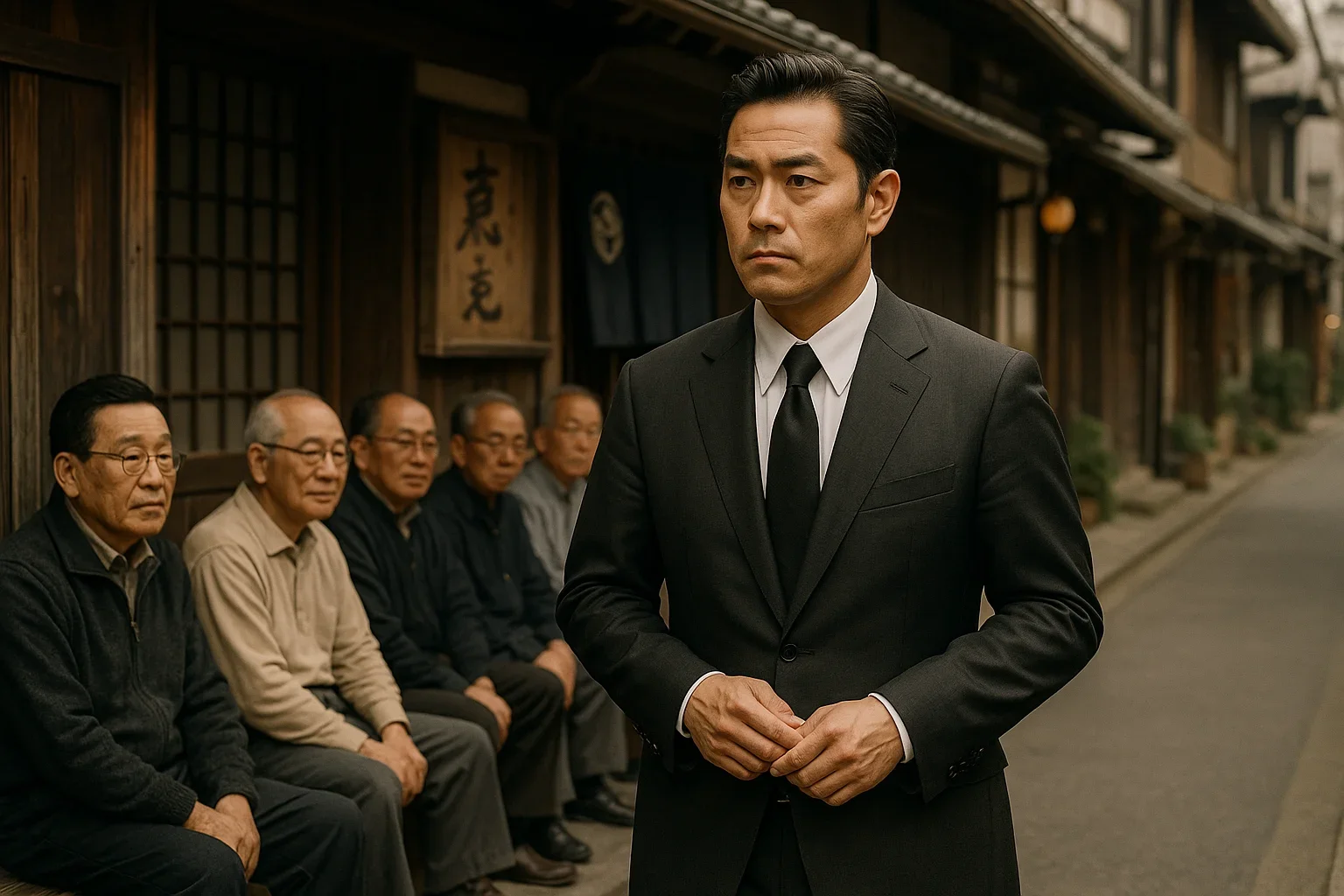
Cinematic Lighting Inspired Yakuza
Cinematic lighting is more than just illumination; it’s a storytelling tool that, when crafted with intent, can transport viewers into a world of tension, romance, and raw emotion. Drawing inspiration from the gritty yet elegant ambience of Yakuza stories, filmmakers can harness a combination of sharp contrasts, neon washes, and subtle shadows to create scenes that feel both authentic and cinematic. By studying the visual language employed in classic Japanese crime dramas, you can learn how to turn everyday settings into dramatic stage fronts that linger long after the credits roll.
Understanding the Yakuza Visual Language
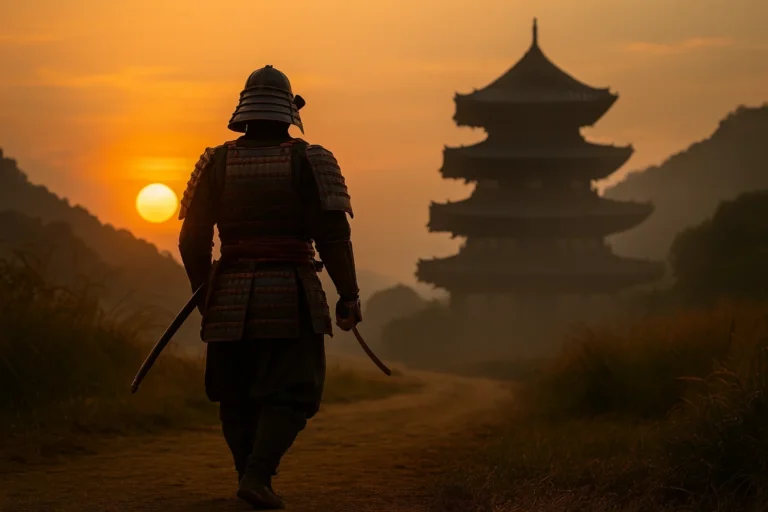
The aesthetic of Yakuza films, such as the works of director Yakuza cinema, is built upon a foundation of stark chiaroscuro, saturated neon, and carefully placed light sources. These elements combine to suggest power structures, class divisions, and the hidden dangers lurking beneath the city’s glittering surface. Studying this visual style offers valuable lessons on how to balance illumination against mood and narrative stakes.
Key Cinematographic Techniques to Emulate
Below are five lighting techniques that capture the Yakuza ambiance and can be seamlessly incorporated into a wide variety of projects:
- Backlit Neon Washes: Position a high-intensity light source behind your subject to create a colored halo that evokes neon signs. Use a diffusion panel or a gel to tint the light, ensuring it floats above the frame and gives a luminous, almost otherworldly effect.
- Heavy Weight on Shadows: With a single key light placed at a low angle, generate deep shadows that chase corners and frame the protagonist in a dramatic half-light. This “tenebrism” technique emphasizes tension and uncertainty.
- Split-illumination for Subtle Contrast: Light one side of the face intensely while letting the other side fall into darkness. This method reveals character complexity and the duality of moral choices.
- Practical Lights as Narrative Anchors: Incorporate real-world light sources—lamp posts, streetlights, or shop signs—into your frame. They add authenticity and reinforce the setting’s authenticity while shaping the interior lighting.
- Color-graded Post-production Harmony: Apply an analog film color grade that leans toward muted teal or deep burgundy. The post process ties together on-set lighting with a consistent, cohesive mood.
The Role of Color Temperature in Atmosphere
In Yakuza-inspired scenes, color temperature plays a pivotal role. Warm amber tones can evoke nostalgia and fatalistic resignation, while stark cool blues intensify the emotional detachment of cynics. When combining these temperatures, purposeful modulation helps underscore character arcs—such as a protagonist’s descent into darkness or an emerging redemption path.
Practical Tips for Achieving the Desired Tones
- Use a single external light with adjustable color gels to control the scene’s hue.
- Experiment with LED bar lighting to offer flexibility and energy efficiency.
- Bridge the gap between set materials and digital post by checking color balance in-camera to reduce correction workload.
Real-world Examples in Film and TV
Modern series like Japanese cinema often lean on these lighting conventions. The acclaimed Netflix series “Midnight Diner: Tokyo Stories” uses low-key lighting and LED strip accents to create a feel reminiscent of the Yakuza’s hushed underworld. Likewise, the recent indie film “Midnight Kiss” blends chiaroscuro with a haunting color palette that speaks directly to that noir tradition.
From Script to Set: Planning Your Light Design
Having a solid list of lighting scenes can save both time and budget. Outline each investigative beat, identify key emotional moments, and match each with the corresponding lighting style. Keep a lighting bible—a visual reference sheet that showcases the exact setup, lens focal length, and light filters used in each shot. This documentation ensures consistency across pickup days.
Conclusion: Let Light Tell the Tale
With cinematic lighting rooted in Yakuza ambience, you can achieve a filmic quality that is unmistakable, immersive, and emotionally resonant. By combining precise backlighting, shadow manipulation, practical lights, and strategic color grading, you transform ordinary scenes into unforgettable visual storytelling moments.
Ready to push your projects into the next dimension? Build your own cinematic lighting bible today, experiment with these techniques, and let each frame echo the raw, bittersweet world of the Yakuza.
Frequently Asked Questions
Q1. What is Cinematic Lighting Inspired Yakuza?
Cinematic lighting inspired by Yakuza films uses stark contrasts, neon washes, and strategic shadows to create a tense and cinematic atmosphere. It delivers mood through illumination, turning everyday settings into compelling visual storytelling moments. The result feels authentic, emotional, and immersive.
Q2. How do Yakuza visual elements influence lighting choices?
The Yakuza aesthetic is built on chiaroscuro, saturated neon, and carefully placed light sources. These elements signal power structures, class divides, and hidden dangers, guiding the cinematographer to balance illumination against narrative stakes. Using this visual language makes scenes feel genuinely gritty yet elegant.
Q3. What are the key lighting techniques for achieving Yakuza ambiance?
Backlit neon washes create luminous halos, heavy shadows frame protagonists in dramatic half-light, split illumination reveals moral duality, practical lights anchor scenes in reality, and color‑graded post‑production ties everything together for a cohesive mood.
Q4. How can I incorporate color temperature into Yakuza‑inspired scenes?
Warm amber tones evoke nostalgia and resignation, while cool blues emphasize detachment of cynics. By using adjustable gels and LED bars, directors can shift temperature to underscore character arcs—moving from light to darkness or towards redemption—while maintaining visual coherence.
Q5. What practical steps should I follow when planning lighting for a Yakuza‑style shoot?
Begin with a lighting bible that records every setup, lens choice, and light filter. Outline each narrative beat, match it with the appropriate lighting style, and ensure all crew reference the same documentation. This practice saves time, budget, and guarantees consistency across pickups.