Storytelling Lessons from Yakuza
When you think of the Japanese underworld, images of dimly lit back alleys, strict codes of conduct, and a rigid hierarchy often come to mind. Yet, beyond the criminal activities, these structures offer profound insights into narrative craftsmanship. By examining how Yakuza organizations organize authority, distribute loyalty, and navigate conflict, storytellers can uncover timeless lessons that elevate any tale, whether it’s a novel, a film, or a personal brand story.
Storytelling Lessons: Yakuza Hierarchy as Narrative Arc
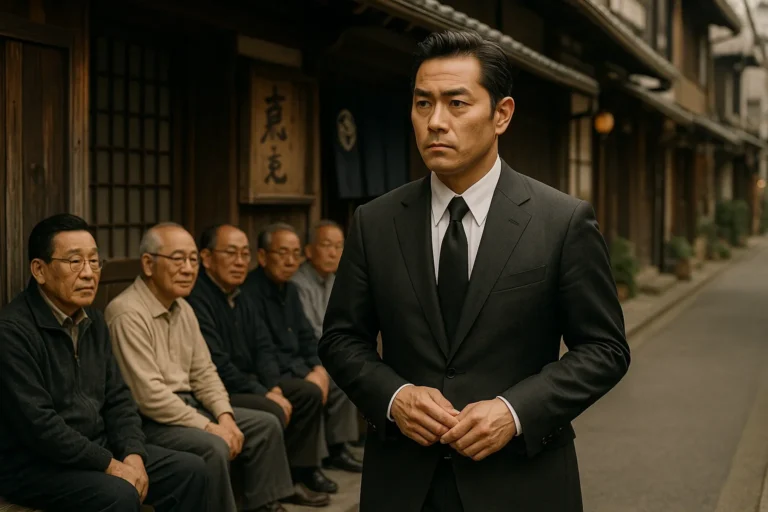
The Yakuza’s chain of command is meticulously designed with a supreme boss (Oyabun), senior lieutenants (Shatei), and lower-tier members (Kobun). This stratification mirrors the classic three-act structure: setup, confrontation, and resolution. Understanding this alignment helps writers build tension and deliver a satisfying payoff.
- Oyabun (Boss) – The protagonist or central theme that anchors the narrative.
- Shatei (Lieutenants) – Subplots or supporting characters that challenge and support the protagonist.
- Kobun (Lower-Members) – The worldbuilding details that enrich the setting.
Take, for instance, a novel where the main character is a leader trying to protect their community. By mapping each act of the story onto the Yakuza hierarchy, the writer ensures that stakes rise logically and that each subtree of the plot reinforces the overarching moral. This method is especially effective for readers who thrive on structural clarity.
Storytelling Lessons: Rituals and Symbolism for Authentic Voice
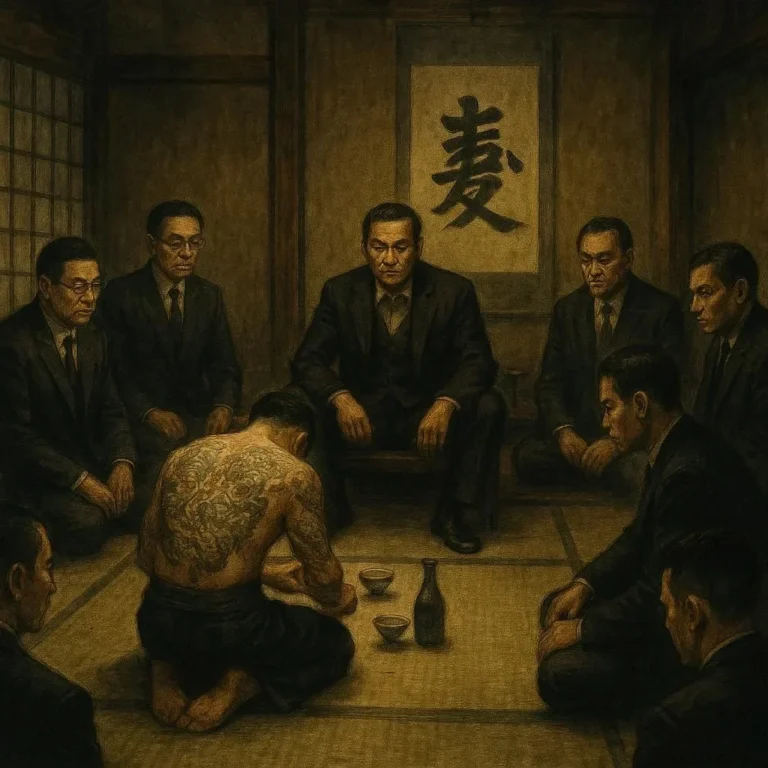
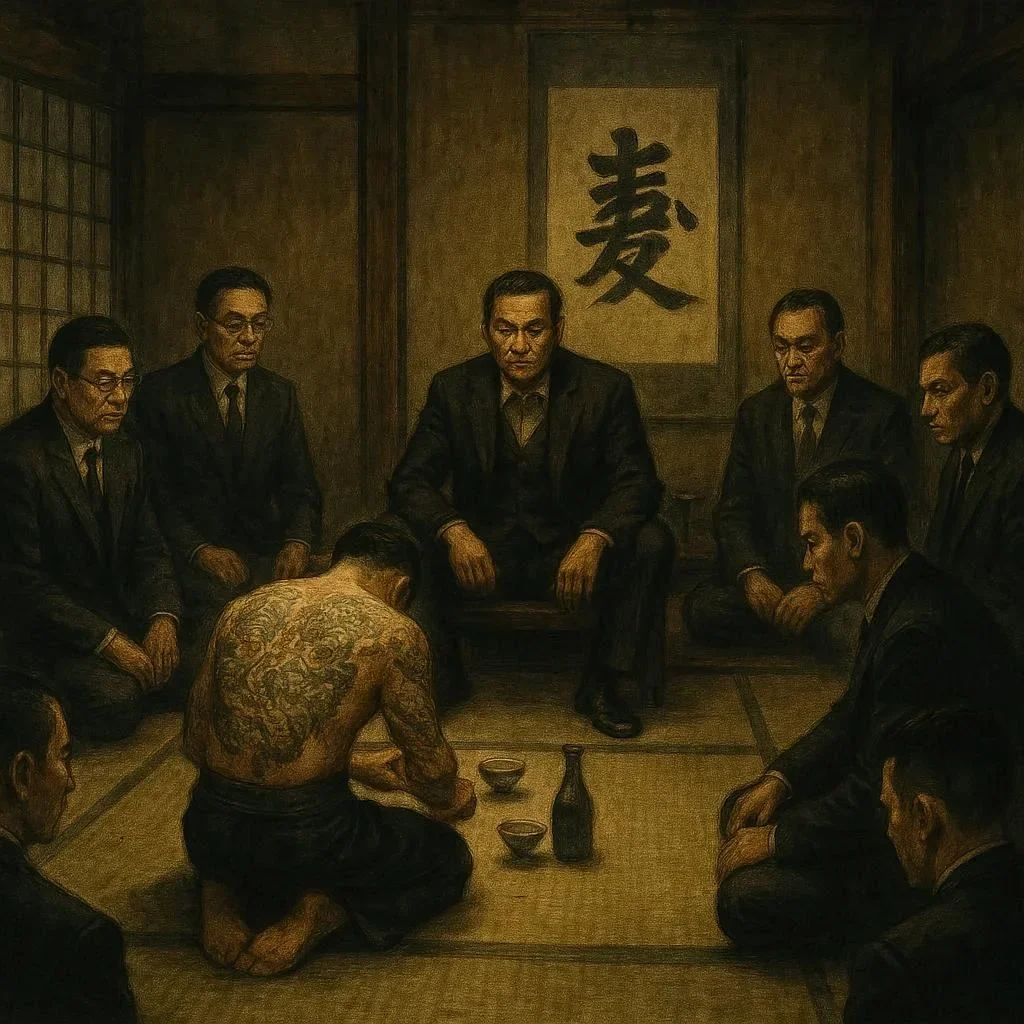
The Yakuza perform daily rituals such as centuries-old oath ceremonies and symbolic scapular tattoos. These rituals are not merely decorative; they create a sense of belonging and convey intangible values. Writers can adopt a similar approach by embedding ritualistic patterns—repeating motifs, dialogue formulas, or symbolic objects—that give a story its “voice” and dam‑light authenticity.
For example, author Brandon Sanderson frequently uses the motif of “shards” across his epic fantasies, a technique that cements continuity even across disparate novels. By identifying and repeating one or two precise narrative rituals, you embed a narrative DNA that becomes instantly recognizable to your audience.
Storytelling Lessons: Conflict and Resolution as The Climax
The Yakuza’s internal rivalries—territorial disputes, betrayal accusations, and retiree disgruntlements—provide a rich template for crafting plot twists. A story’s climax should present a conflict that forces your protagonist into a decisive action, mirroring how a Yakuza member might choose allegiance or stand up against a rival.
- Inciting Incident: A betrayal that destabilizes the hierarchy.
- Rising Action: Multiple characters vie for power, reflecting internal group tension.
- Climax: A pivotal confrontation that either restores order or marks new beginnings.
- Resolution: The aftermath, showcasing the cost of choices.
Adopting this framework ensures that your narrative builds stakes naturally, empowers character growth, and delivers a payoff calibrated to audience expectations.
Storytelling Lessons: Legacy and Continuity for Legacy Crafting
The Yakuza place immense importance on legacy. Even after retirement, leaders remain influential through “shadow” mentorship. For writers, this is a reminder that stories live beyond their initial release: a well‑crafted myth can inspire sequels, adaptations, or cultural movements.
Jacques Rousseau famously said, “A story is strongest when it keeps living beyond the words.” By creating layers—myths, character arcs, and world traditions—you give your narrative the potential to echo across generations.
To illustrate, look at the disbandment of the Yakuza in Japan’s criminal history merely as a source of dialogue. Beyond that, the Tokyo Metropolitan Police’s crackdown on organized crime shows how narrative conflict is resolved in real life, giving your story its own moral compass.
The strategic layering of the Yakuza hierarchy also aligns with Japanese cultural narratives that emphasize collective identity over individual ambition—a powerful lens for worldbuilding.
Conclusion
By dissecting the Yakuza’s organizational arteries—hierarchy, rituals, conflict, and legacy—storytellers can learn to engineer narratives that are clear, resonant, and enduring. These instructions transcend genre and medium, offering a framework that bolsters everything from thriller plots to brand stories. Apply these lessons to your next project and watch your narrative arc ascend to new levels of impact.
Ready to transform your storytelling? Learn the structure, harness ritual, master conflict, and embed legacy—start crafting narratives that leave a lasting imprint today.
Frequently Asked Questions
Q1. How can Yakuza hierarchy help structure my story?
Yakuza structure mirrors the classic three‑act format, with the Oyabun as the protagonist, Shatei as supporting subplots, and Kobun adding depth. By assigning plot points to these roles, writers can outline clear setup, conflict and payoff. This mapping keeps tension escalating in a predictable yet engaging way.
Q2. What storytelling benefits come from adopting Yakuza rituals?
Rituals provide recurring motifs that give a narrative rhythm and emotional resonance. Think of daily oath ceremonies or signature tattoos, which readers associate instantly. Injecting subtle repetitions—like a catchphrase, an object, or a recurring gesture—creates a signature voice that endears the story to audiences.
Q3. How can I use conflict dynamics from Yakuza to craft a compelling climax?
The Yakuza’s internal rivalries translate into high‑stakes narrative twists. Start with a betrayal inciting incident, elevate the stakes with power struggles, and culminate in a decisive showdown. The aftermath should leave tangible costs, enriching character growth and reader satisfaction.
Q4. How does Yakuza legacy translate into long‑term narrative impact?
Legacy means stories outlive their initial release. By layering myths, traditions, and mentorship arcs, a narrative can spawn sequels, spin‑offs, or even cultural memes. A strong legacy sparks curiosity, ensuring that the story remains relevant across time.
Q5. Are there risks in using Yakuza themes, and how can I avoid offensive portrayals?
Yakuza culture carries serious criminal connotations. An authentic portrayal demands research and sensitivity to context. Avoid glamorizing violence, contextualize power dynamics, and honour the culture’s realities to protect readers from misrepresentation.