In the world of cinema, literature, and interactive entertainment, the allure of the Yakuza often transcends surface-level crime narratives. Fans and scholars alike notice an almost mythic layer of meaning that subtly informs plot twists, character arcs, and aesthetic choices. This hidden symbolism in yakuza-themed media speaks to deeper cultural roots, unspoken codes, and the enduring power of visual motifs. Below we will explore how these symbols surface across multiple platforms, from classic Japanese film to contemporary video game lore, and why they remain so resonant with audiences worldwide.
Ancestral Roots of Yakuza Symbolism
When studying the Yakuza and their portrayal in popular culture, scholars point to historical influences from the *yokai* (spirit) and *bushido* (samurai code) that shaped the early criminal clans. These traditions embed a complex code of honor and secrecy that is mirrored in the narrative frameworks of yakuza-themed media. Many films and games purposely reference the *hanami* (flower viewing) ritual—a symbolic acknowledgment of the fleeting nature of life—when depicting the protagonist’s confrontation with death or betrayal. This motif is deeply ingrained in the visual and narrative language used in films like Outrage and in the climactic streetscapes of the Yakuza video game series.
The Language of Tattoos and Corrals
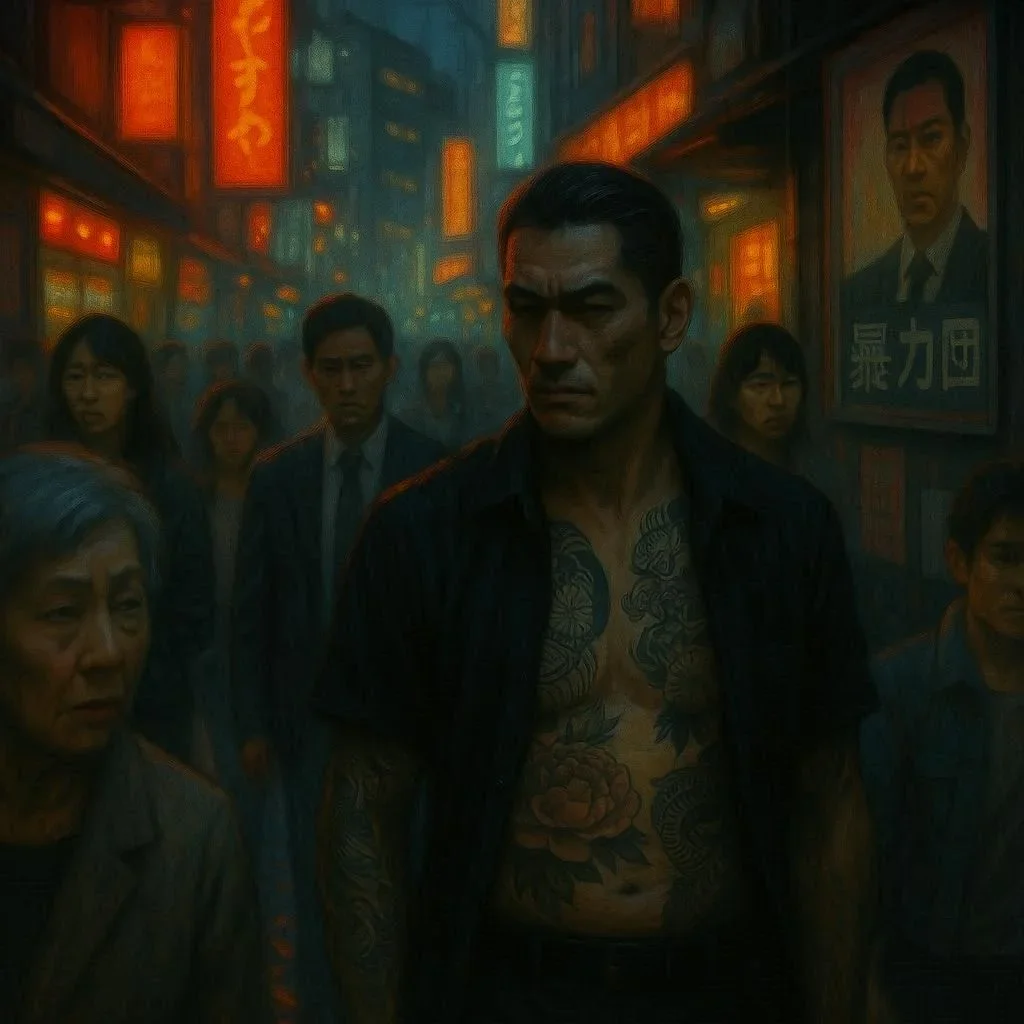
Tattoos, or *irezumi*, serve as both protective sigils and status markers within Yakuza culture. In media, the graphic reversal of a daimyō’s crest or the bold “dragon” ink often signifies a character’s allegiance or moral resolve. This technique mirrors how real-world underworld actors use body art to communicate group affiliation and personal history. In Yakuza 0, the main antagonist delivers a face‑to‑face confrontation that is punctuated by the reveal of an old scar—a narrative device that speaks to hidden trauma, linking it to the character’s past.
Symbolic Motifs in Film and Television
Japanese crime dramas such as Gokudō no Yōgai (Yakuza: The Interior) employ recurring symbols—like the burning Japanese apricot leaf—to underscore themes of renewal and impermanence. These images actively participate in plot progression by foreshadowing characters’ choices. For example, a screen test scene that shows a protagonist blowing ash out of a cigarette might, on a deeper level, represent the inevitable destruction of the yakuza’s legacy. An appreciation of these motifs is anchored in sociology—the study of power structures within *Japanese organized crime* cultures—often discussed in academic treatises such as the article found on Britannica Encyclopedia.
Digital Representation: Video Game Lore
Game designers use environmental storytelling to embed hidden symbolism in non‑linear narratives. In the latest release Yakuza: Like a Dragon, players discover a riddle inscribed on a wall that refers to the “three thieves’ code,” a nod to an ancient Yakuza legend. When the community decodes the riddle, it unleashes alternate plot pathways that test the player’s moral compass. The game’s soundtrack amplifies the tension, incorporating traditional tattoo-inspired motifs, thereby deepening the immersion and emotional resonance.
Emergent Themes: Power, Loyalty, and Redemption
Across all media forms, these symbols do more than reinforce atmosphere—they actively shape character arcs. Loyalty, often depicted through a chain of blood ties or a shared tattoo, becomes more than a plot device—it is a living testament to group cohesion. Power dynamics are frequently illustrated via the use of daidoji (forged steel), which symbolizes the rigid, unyielding nature of yakuza authority. Redemption arcs weave in imagery of *sunrise*—representing hope and renewal—allowing audiences to emotionally root for characters that defy the strict code.
How to Decode These Symbols
Below is a quick guide to pick up on subtext and significance when engaging with Yakuza-themed narratives:
- Look for recurring visual cues—tattoos, flowers, or weather patterns that repeat across scenes.
- Note the context—symbols often change meaning depending on the situation (e.g., a sword used for protection vs. a weapon).
- Research historical references—understanding Yakuza lineage or bushido principles adds a layer of depth.
- Follow cultural parallels—match on-screen symbols with real-life associations to see how creators translate myth into story.
Conclusion: The Enduring Power of Hidden Symbolism
The use of hidden symbolism in yakuza-themed media is not a mere stylistic choice; it is a bridge between visceral action and contemplative reflection, a tool that heightens narrative stakes and invites audiences into a richer cultural tapestry. By decoding these cues, fans gain a more nuanced understanding of both the characters’ psychology and the societal narratives braided into the storyline. Whether you’re watching a gripping drama, kicking high‑level gang graft in a video game, or reading an underground manga, the symbols will linger long after the credits roll—prompting you to question duty, honor, and the possibility of transcendence in a shadowed world.
Explore more symbol-laden works and keep the conversation alive—subscribe to our newsletter for weekly insights on Japanese media, cultural motifs, and the intersection of modern storytelling with ancient heritage.
Frequently Asked Questions
Q1. What are the main symbols used in yakuza-themed media?
Key symbols include tattered jackets, intricate tattoos, traditional flora like cherry blossoms, and fire imagery. These elements reflect honor, loyalty, and impermanence. They serve as visual cues that guide the audience through a character’s journey.
Q2. How does tattoo symbolism impact character development?
Tattoos often serve as visual backstories, indicating affiliations, past traumas, or personal codes, which deepen viewers’ understanding of motives and growth arcs.
Q3. Why are flowers and cherry blossoms frequently featured?
In Japanese culture, cherry blossoms symbolize fleeting beauty, mirroring the transient nature of life and the unsteady alliances within yakuza stories.
Q4. How can players recognize hidden narrative cues in video games?
Look for recurring environmental motifs, cryptic inscriptions, or music cues that align with cultural references, as these often unlock alternate plot paths or moral choices.
Q5. What resource guides one to interpret these symbols accurately?
Academic texts on bushido, ukiyo‑e art, and Yakuza history, as well as reputable encyclopedias and dedicated folklore blogs, provide contextual frameworks for deeper analysis.