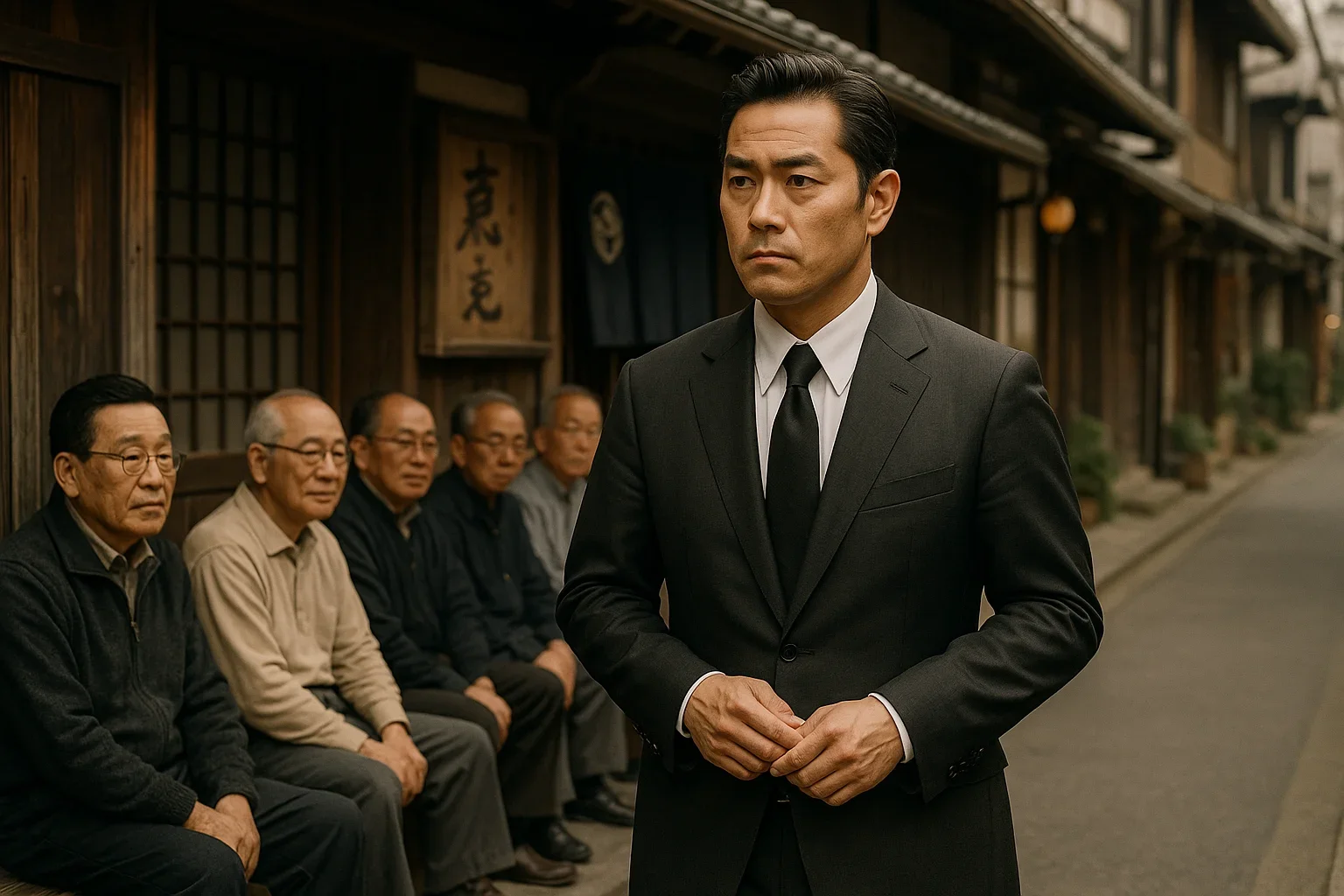
Yakuza Leaders Romanticized Media
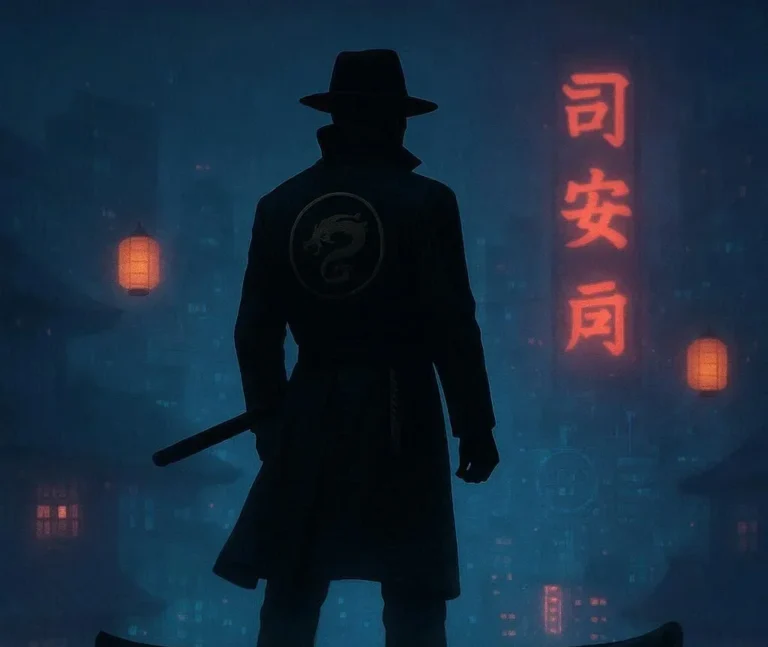
When the word Yakuza Leaders surfaces in popular culture, it often conjures images of stoic, impeccably dressed figures who wield power with a blend of honor and ruthlessness. From the gritty streets of Tokyo in classic Japanese cinema to the neon-lit back alleys of Hollywood thrillers, these portrayals have shaped public perception, blurring the line between myth and reality. In this article, we dissect how media romanticizes Yakuza leadership, the historical roots of these narratives, and the implications for both domestic and international audiences.
Historical Roots of the Yakuza Myth
The origins of the Yakuza trace back to the Edo period, when groups of gamblers, street merchants, and outlaws formed loose associations to protect their interests. Over centuries, these groups evolved into structured criminal syndicates with codes of conduct, hierarchies, and rituals. The Wikipedia entry on Yakuza outlines how the term “yakuza” itself derives from a card game, symbolizing the group’s outsider status. Yet, the romantic image of the Yakuza leader—often portrayed as a samurai‑like figure—has been amplified by post‑war Japanese cinema, where filmmakers used the Yakuza as a vehicle to explore themes of loyalty, honor, and social marginalization.
Film and Television: The Samurai of the Underworld
Japanese directors such as Akira Kurosawa and Yoshimitsu Morita introduced audiences to characters who, while criminal, adhered to a strict moral code. These films often depict Yakuza leaders as tragic heroes, battling internal and external forces while maintaining a sense of dignity. The romanticized portrayal is further reinforced by the visual aesthetics—sharp suits, meticulous tattoos, and the iconic “kōshō” (handshake) that signals trust.
In the West, Hollywood has adopted and adapted these tropes. Movies like “The Last Samurai” (though not a Yakuza film per se) and the “Yakuza” video game series present leaders as honorable yet ruthless, blending action with a narrative of redemption. The New York Times review of the game highlights how the storyline elevates the protagonist’s moral complexity, further entrenching the romantic image.
Media Influence on Public Perception
Media’s portrayal of Yakuza leaders has a profound effect on how society views organized crime. By emphasizing honor, loyalty, and a code of conduct, these narratives can inadvertently glamorize criminal activity. Studies from the Journal of Criminal Justice suggest that repeated exposure to heroic criminal tropes can desensitize audiences, leading to a skewed understanding of the real-world impact of Yakuza operations.
Moreover, the romanticized image can influence policy and law enforcement. When the public perceives Yakuza leaders as “gentlemen” rather than violent criminals, there may be less pressure on governments to enact stringent anti‑organized‑crime legislation. The Japanese Ministry of Justice’s annual statistical report on organized crime shows a steady decline in arrests, partially attributed to the public’s ambivalent stance toward Yakuza culture.
Comparing Reality with Fiction: A List of Key Differences
- Hierarchy and Structure: Real Yakuza organizations have rigid, secretive hierarchies, whereas films often simplify these structures for narrative clarity.
- Violence: While violence is a core component of Yakuza operations, media frequently downplays it, focusing instead on the leader’s moral dilemmas.
- Community Role: Yakuza leaders sometimes provide social services in marginalized communities, a nuance rarely explored in mainstream media.
- Legal Status: In reality, Yakuza groups are officially banned and subject to surveillance, yet films often portray them as operating with impunity.
- Public Perception: The romantic image can create a “cult of personality” around leaders, which is rarely reflected in actual public sentiment.
Academic Perspectives on Yakuza Romanticization
Scholars from institutions like Harvard University have examined the cultural significance of Yakuza narratives. A 2021 paper in the Harvard Law Review argues that the romanticization serves as a form of social commentary, reflecting Japan’s struggle with modernization and the erosion of traditional values. The paper notes that Yakuza leaders are often portrayed as custodians of an “old order” that resists the homogenizing forces of global capitalism.
Implications for International Audiences
For viewers outside Japan, the romanticized image can lead to misconceptions about the nature of organized crime. The UNODC reports that international media coverage often focuses on sensational aspects, neglecting the socioeconomic factors that drive individuals into Yakuza life. This skewed portrayal can hinder cross‑cultural understanding and impede collaborative efforts to combat transnational crime.
Conclusion: Reclaiming the Narrative
While the allure of the Yakuza leader as a tragic hero is undeniable, it is crucial to balance romanticized storytelling with factual representation. By acknowledging the harsh realities—violence, exploitation, and the legal ramifications—media creators can foster a more nuanced discourse. For readers seeking a deeper understanding, resources such as the Japanese Law Translation and the Ministry of Justice’s reports provide authoritative insights.
Take Action: If you’re interested in exploring the complex world of Japanese organized crime beyond the silver screen, consider subscribing to our newsletter for in‑depth analyses, expert interviews, and the latest research findings. Join the conversation and help shape a more informed narrative.
Frequently Asked Questions
Q1. What is the origin of the romantic image of Yakuza leaders?
The romantic image stems from post‑war Japanese cinema, where Yakuza were portrayed as tragic heroes with a strict code of honor, similar to samurai. Filmmakers used them to explore themes of loyalty and social marginalization. This narrative has been amplified by Hollywood adaptations. The portrayal emphasizes dignity over brutality, shaping public perception worldwide.
Q2. How do films and television influence public perception of Yakuza leaders?
They highlight honor, loyalty, and moral codes, often downplaying violence. This glamorization can desensitize audiences to the real criminal activities. It may also affect policy by reducing pressure for stricter laws. The visual aesthetics reinforce the myth.
Q3. What are the key differences between real Yakuza organizations and their media portrayals?
Real Yakuza have rigid hierarchies, secretive operations, and are officially banned. Media often simplifies structures and downplays violence. Real leaders sometimes provide community services, a nuance rarely shown. The legal status is misrepresented as impunity.
Q4. Why is the romanticization of Yakuza leaders problematic for international audiences?
It creates misconceptions about organized crime, ignoring socioeconomic drivers. International media focus on sensational aspects, neglecting context. This hampers cross‑cultural understanding and cooperation. It can also influence foreign policy and law‑enforcement priorities.
Q5. How can media creators balance romantic storytelling with factual representation?
By researching historical facts and consulting experts. They can portray the harsh realities of violence and exploitation. Including diverse perspectives, such as victims and law enforcement, adds nuance. This approach fosters informed discourse and reduces glamorization.