Yakuza-Themed Films: Aesthetic Appeal
Yakuza-Themed Films have carved a distinctive niche in global cinema, blending the gritty realism of organized crime with the refined elegance of Japanese culture. The aesthetic allure of these films lies not only in their narrative depth but also in their meticulous visual language, which draws viewers into a world where honor, loyalty, and violence coexist in a delicate balance. In this article, we explore the key elements that make Yakuza-themed cinema visually compelling, from costume design and set pieces to lighting and sound, and examine how these films resonate with audiences worldwide.
1. Visual Storytelling: The Language of the Underworld
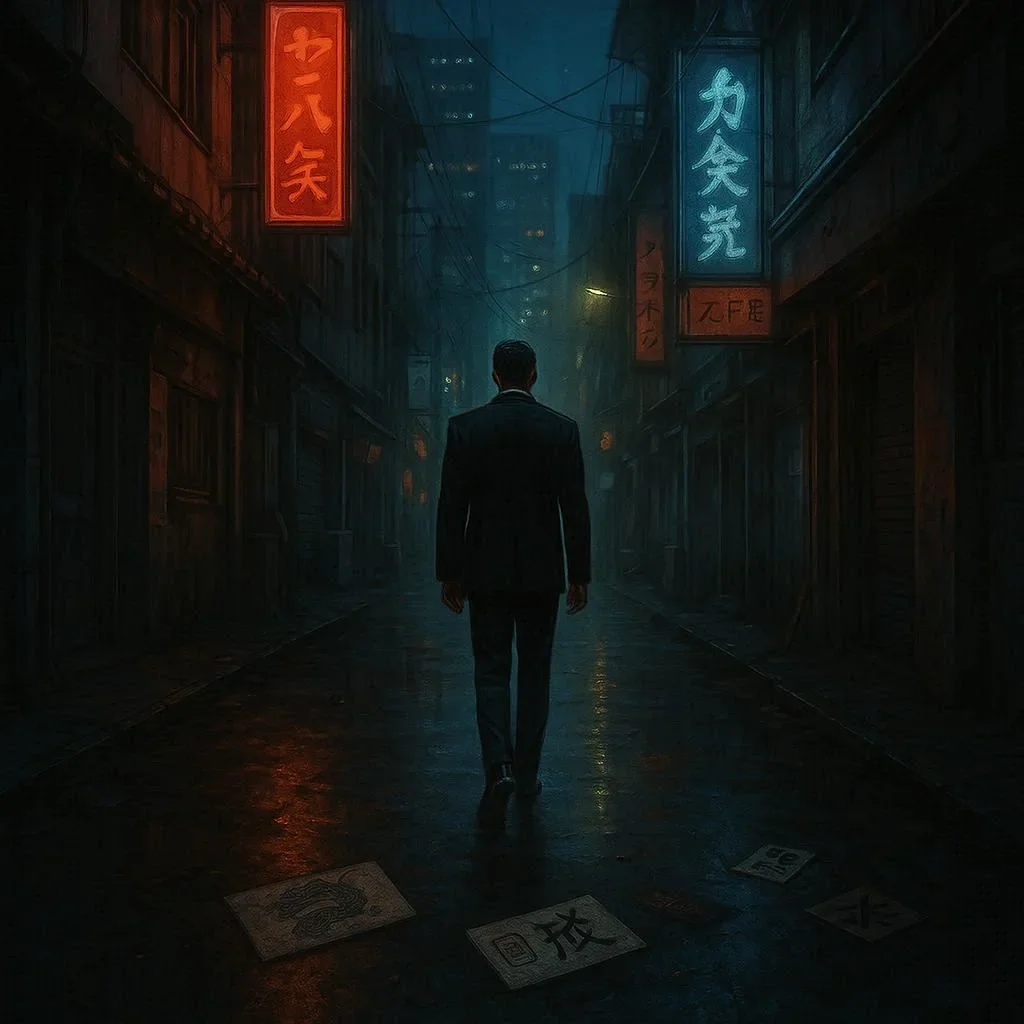
At the heart of Yakuza-themed films is a visual storytelling tradition that mirrors the complex social codes of the yakuza themselves. Directors often employ a restrained color palette—deep reds, muted grays, and stark whites—to evoke the tension between tradition and modernity. The use of long, lingering shots allows characters to breathe, emphasizing the weight of their decisions. For instance, Yakuza films frequently feature slow pans across neon-lit streets, creating a cinematic rhythm that mirrors the slow, deliberate movements of the characters.
2. Costume and Set Design: Crafting Authenticity
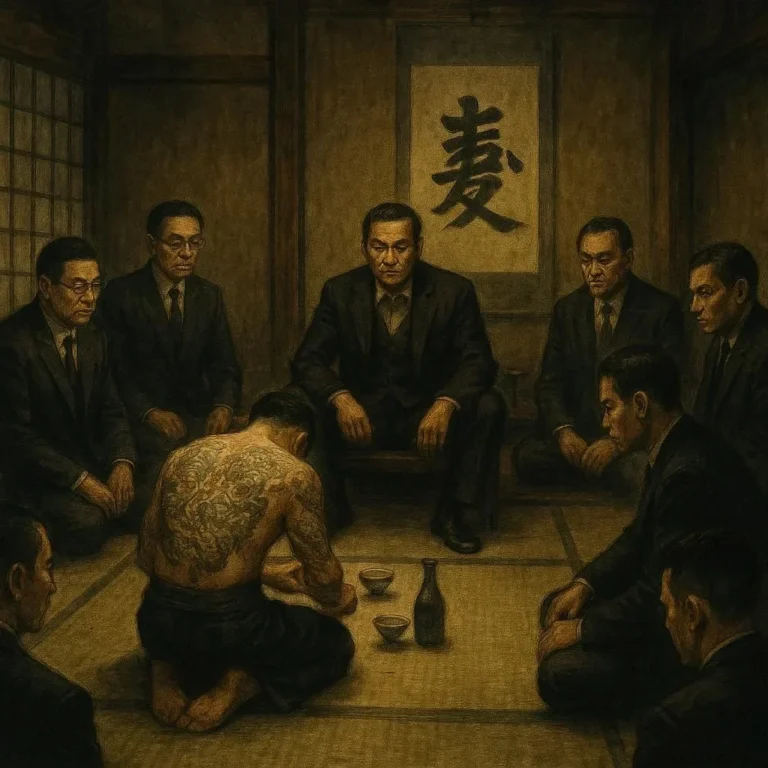
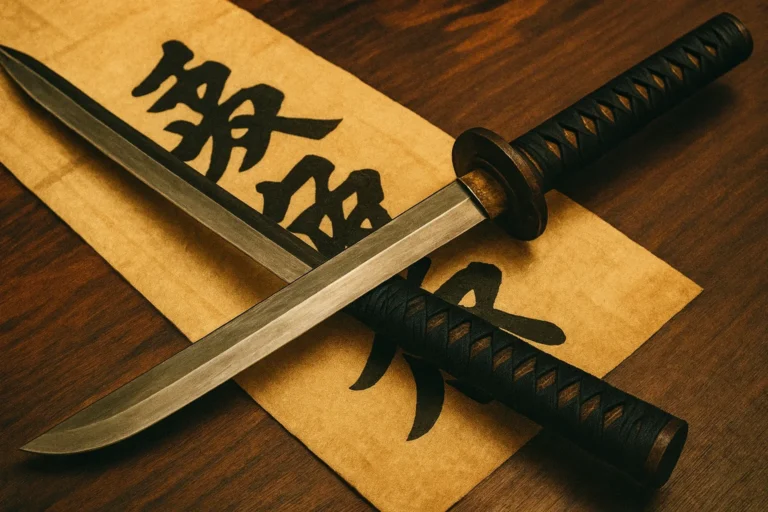
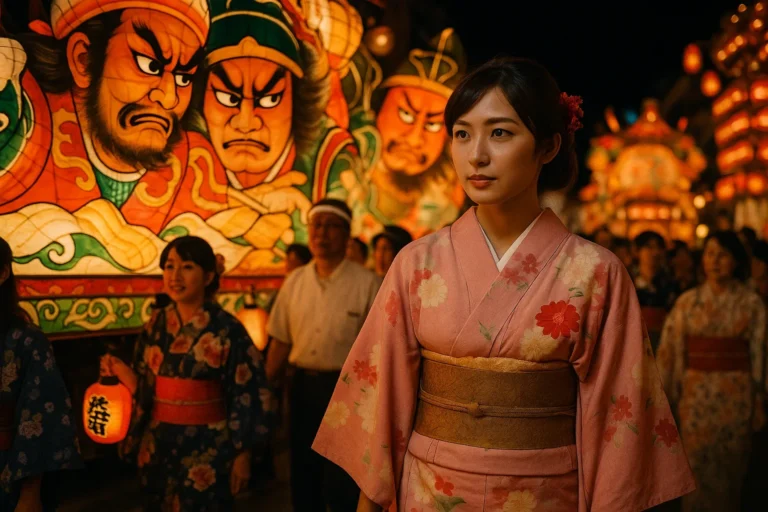
Authentic costume and set design are pivotal in transporting audiences into the yakuza world. Traditional kimono and hakama garments are juxtaposed with modern streetwear, reflecting the dual identities of many yakuza members. Set designers meticulously recreate the interiors of izakayas, high-rise offices, and abandoned warehouses, each space serving as a character in its own right. The attention to detail—such as the placement of a single bonsai tree or the worn leather of a samurai sword—adds layers of symbolism that enrich the narrative.
3. Lighting and Cinematography: The Play of Shadows
Lighting in Yakuza-themed films often employs high-contrast techniques reminiscent of film noir, a genre that has heavily influenced Japanese gangster cinema. Low-key lighting casts dramatic shadows, creating a sense of mystery and danger. Cinematographers use handheld cameras to capture the frenetic energy of chase scenes, while static, wide-angle shots emphasize the isolation of protagonists in sprawling cityscapes. This dynamic interplay of light and shadow not only heightens suspense but also underscores the moral ambiguity that defines the yakuza narrative.
4. Sound Design and Musical Score: Echoes of Tradition
Sound design in Yakuza-themed films is as integral to the aesthetic experience as visual elements. Traditional Japanese instruments—such as the shamisen and shakuhachi—are often blended with contemporary electronic beats, creating a sonic bridge between past and present. The soundtrack frequently incorporates motifs from samurai cinema, reinforcing themes of honor and duty. Additionally, ambient sounds—like the clatter of chopsticks or the distant hum of traffic—anchor the film in a tangible reality, enhancing immersion.
Key Elements That Define the Aesthetic
- Color Palette: Deep reds, muted grays, and stark whites.
- Costume Fusion: Traditional kimono meets modern streetwear.
- Lighting Style: High-contrast, film-noir influence.
- Soundscape: Blend of traditional instruments and contemporary beats.
- Set Authenticity: Detailed recreation of izakayas, offices, and warehouses.
5. Cultural Resonance: Why Audiences Are Drawn In
Beyond visual spectacle, Yakuza-themed films tap into universal themes of loyalty, betrayal, and the search for identity. The yakuza’s code of honor—known as ninkyo—mirrors the samurai’s bushido, creating a familiar moral framework for viewers. This cultural resonance is amplified by the films’ exploration of the tension between individual agency and collective responsibility, a narrative that resonates across cultures. As a result, Yakuza-themed films have gained a dedicated following both in Japan and internationally.
6. Notable Directors and Their Signature Styles
Several directors have become synonymous with the Yakuza aesthetic. Takashi Miyazaki is renowned for his gritty realism and meticulous attention to detail, while Masaki Kawachi blends stylized violence with poetic imagery. These filmmakers have elevated Yakuza-themed films from niche crime dramas to globally celebrated works of art.
7. The Global Impact: From Japan to Hollywood
Yakuza-themed films have influenced Hollywood’s portrayal of organized crime, inspiring adaptations and original works that echo the aesthetic principles of Japanese cinema. The cross-cultural exchange has led to a richer, more nuanced depiction of gangster narratives worldwide. Moreover, streaming platforms have made these films more accessible, allowing new audiences to experience the unique visual storytelling that defines the genre.
Conclusion: Embrace the Visual Journey
Yakuza-themed films offer a masterclass in visual storytelling, where every frame is a deliberate brushstroke on the canvas of Japanese culture. From the meticulous costume design to the evocative lighting and layered soundscapes, these films invite viewers into a world where tradition and modernity collide. Whether you’re a seasoned cinephile or a newcomer to the genre, the aesthetic appeal of Yakuza-themed films promises an unforgettable cinematic experience.
Ready to dive deeper into the world of Yakuza cinema? Explore our curated list of must-watch Yakuza-themed films and discover why this genre continues to captivate audiences worldwide. Click here to start your journey today!
Frequently Asked Questions
Q1. What defines the visual style of Yakuza-themed films?
Yakuza-themed films rely on a restrained color palette—deep reds, muted grays, and stark whites—to convey tension between tradition and modernity. High‑contrast lighting, reminiscent of film noir, creates dramatic shadows that heighten suspense. Long, lingering shots allow characters to breathe, emphasizing the weight of their decisions. Together, these elements form a visual language that immerses viewers in the underworld.
Q2. How do costume choices reflect the dual identity of yakuza characters?
Costumes blend traditional kimono and hakama with contemporary streetwear, mirroring the yakuza’s dual roles as cultural custodians and modern criminals. Subtle details—such as a worn samurai sword or a polished brocade—signal a character’s honor code. This fusion of old and new reinforces the narrative tension between personal loyalty and societal expectations.
Q3. Which directors are most influential in shaping the Yakuza aesthetic?
Takashi Miyazaki is celebrated for gritty realism and meticulous detail, while Masaki Kawachi blends stylized violence with poetic imagery. Their distinct styles have elevated Yakuza cinema from niche crime dramas to globally acclaimed works of art. Directors like them set the visual and thematic standards that others continue to emulate.
Q4. How has Yakuza cinema influenced Hollywood gangster films?
Hollywood has adopted Yakuza’s high‑contrast lighting, restrained color palettes, and emphasis on honor codes. Films such as “The Departed” and “The Godfather” series echo these aesthetic principles, creating a richer, more nuanced portrayal of organized crime. The cross‑cultural exchange has broadened the genre’s appeal worldwide.
Q5. Where can I watch classic Yakuza-themed movies?
Streaming platforms like Netflix, Amazon Prime Video, and Hulu offer a selection of Yakuza titles. Dedicated sites such as Crunchyroll and Funimation also host Japanese releases. Additionally, the IMDb “Yakuza” genre list provides a curated catalog of must‑watch films for newcomers and seasoned fans alike.