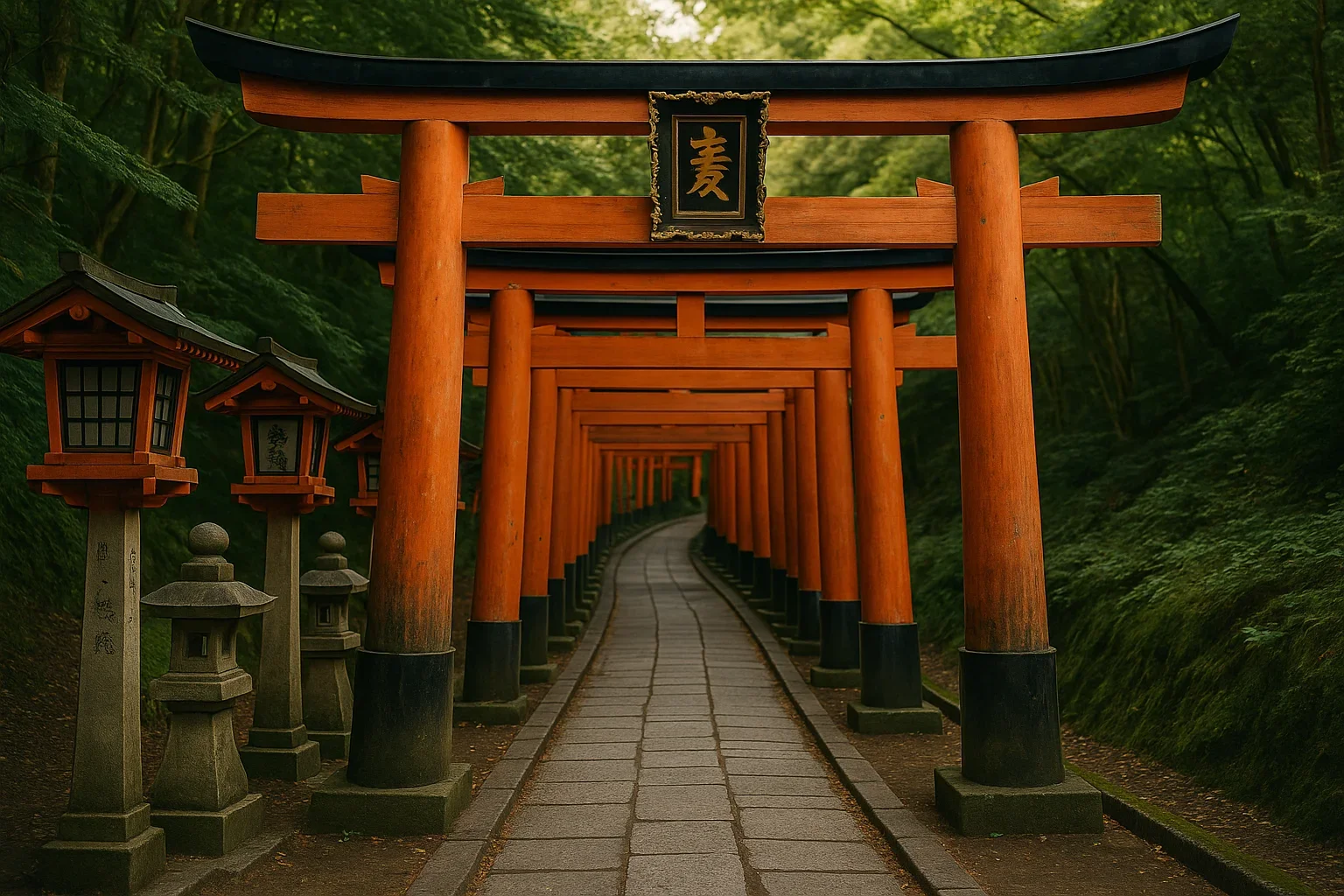
Sacred Gardens of Samurai
The concept of Sacred Gardens in Japan is deeply intertwined with the legacy of the samurai nobility, whose reverence for nature and disciplined aesthetics shaped some of the most serene landscapes in the world. These gardens, often found on the grounds of former feudal estates, were more than ornamental spaces; they were living embodiments of the samurai’s code, a visual meditation on harmony, balance, and the impermanence of life. In this article, we explore how these gardens were conceived, the principles that guided their design, and why they remain a vital part of Japan’s cultural heritage.
Origins of Samurai Garden Design
During the Kamakura (1185–1333) and Muromachi (1336–1573) periods, the samurai class rose to prominence, and with it came a new aesthetic sensibility that blended martial discipline with a profound respect for the natural world. The samurai’s pursuit of Bushido—the way of the warrior—was mirrored in the meticulous planning of their gardens. These spaces were intended to provide a quiet retreat from the rigors of court life and to reinforce the samurai’s inner resolve.
Historical records, such as the Japanese garden tradition, show that early samurai gardens incorporated elements like stone lanterns, water features, and carefully pruned trees to symbolize the four seasons and the cyclical nature of existence. The gardens were often located near shrine sites, reinforcing the spiritual dimension of the samurai’s duties.
Key Elements of Sacred Gardens
While each samurai estate had its unique character, several core components were consistently present across the most celebrated sacred gardens:
- Water Features – ponds, streams, and waterfalls served as metaphors for purification and the flow of life.
- Stone Placement – strategically arranged rocks represented mountains, islands, or the steadfastness of the samurai spirit.
- Plant Selection – pine, bamboo, and moss were chosen for their resilience and symbolic meanings.
- Pathways – winding stone paths guided visitors through a series of contemplative scenes, echoing the samurai’s journey toward enlightenment.
- Architectural Elements – tea houses, pavilions, and gates framed the landscape, creating a dialogue between built and natural environments.
These elements were not merely decorative; they were carefully orchestrated to evoke specific emotions and to reinforce the samurai’s connection to the land. The use of negative space, or ma, allowed for moments of silence and reflection, essential for a warrior’s mental preparation.
The Role of Zen Philosophy
Zen Buddhism, which gained prominence during the Muromachi period, profoundly influenced samurai garden aesthetics. The Zen principle of kanso—simplicity—led to gardens that emphasized minimalism and natural textures. The concept of shakkei (borrowed scenery) encouraged designers to incorporate distant mountains or cityscapes into the garden’s composition, creating a sense of boundless space.
Zen monks often collaborated with samurai architects, ensuring that each garden served as a living meditation. The UNESCO designation of several Japanese gardens as World Heritage Sites underscores their cultural significance and the enduring influence of Zen on landscape architecture.
Preserving Heritage in Modern Japan
Today, many former samurai estates have been converted into museums, public parks, or private residences, yet the essence of their sacred gardens endures. Preservation efforts, such as those led by the Japanese Gardens Society, focus on maintaining traditional planting techniques, stone arrangements, and water management systems.
Modern landscape architects study these gardens to learn how to balance ecological sustainability with historical authenticity. For instance, the use of native plant species and rainwater harvesting systems reflects the samurai’s respect for the environment, a principle that resonates with contemporary ecological concerns.
Moreover, educational programs in universities—such as the Kyoto University Department of Landscape Architecture—offer courses that trace the evolution of samurai gardens, ensuring that future generations appreciate the intricate relationship between culture, nature, and design.
Conclusion: A Living Legacy
From the disciplined stone paths of the samurai’s private retreats to the tranquil ponds that mirror the sky, Sacred Gardens created by samurai nobility continue to inspire awe and contemplation. They stand as testaments to a culture that valued harmony, resilience, and the quiet strength of nature. Whether you’re a history enthusiast, a landscape architect, or simply someone seeking a moment of peace, these gardens offer a unique window into Japan’s soul.
Explore the timeless beauty of samurai gardens—plan your visit today and step into a world where history and nature intertwine.
Frequently Asked Questions
Q1. What defines a Sacred Garden of Samurai?
A Sacred Garden of Samurai is a landscape created on former feudal estates that reflects the samurai’s code of Bushido through disciplined aesthetics, natural symbolism, and meditative design. These gardens combine water features, stone arrangements, and carefully selected plants to embody harmony, balance, and impermanence. They serve both as a retreat for warriors and a visual meditation on the warrior’s inner resolve.
Q2. How did Zen philosophy influence these gardens?
Zen Buddhism introduced principles such as simplicity (kanso) and borrowed scenery (shakkei), encouraging minimalistic layouts that emphasize natural textures and the integration of surrounding landscapes. Zen monks collaborated with samurai architects to create spaces that functioned as living meditation, where every stone, plant, and water element was chosen to provoke contemplation and calm.
Q3. What are the key elements found in most Samurai gardens?
Typical features include water bodies like ponds and waterfalls, strategically placed rocks symbolizing mountains, resilient plants such as pine, bamboo, and moss, winding stone paths that guide visitors through contemplative scenes, and architectural structures like tea houses and gates that frame the landscape.
Q4. Are any of these gardens recognized by UNESCO?
Yes, several Japanese gardens that originated from samurai estates have been designated as UNESCO World Heritage Sites, highlighting their cultural significance and the enduring influence of Zen on landscape architecture.
Q5. How are these gardens preserved and studied today?
Preservation efforts by organizations such as the Japanese Gardens Society focus on maintaining traditional planting, stone arrangements, and water systems. Modern landscape architects and universities, like Kyoto University, study these gardens to balance ecological sustainability with historical authenticity, ensuring future generations appreciate their cultural value.