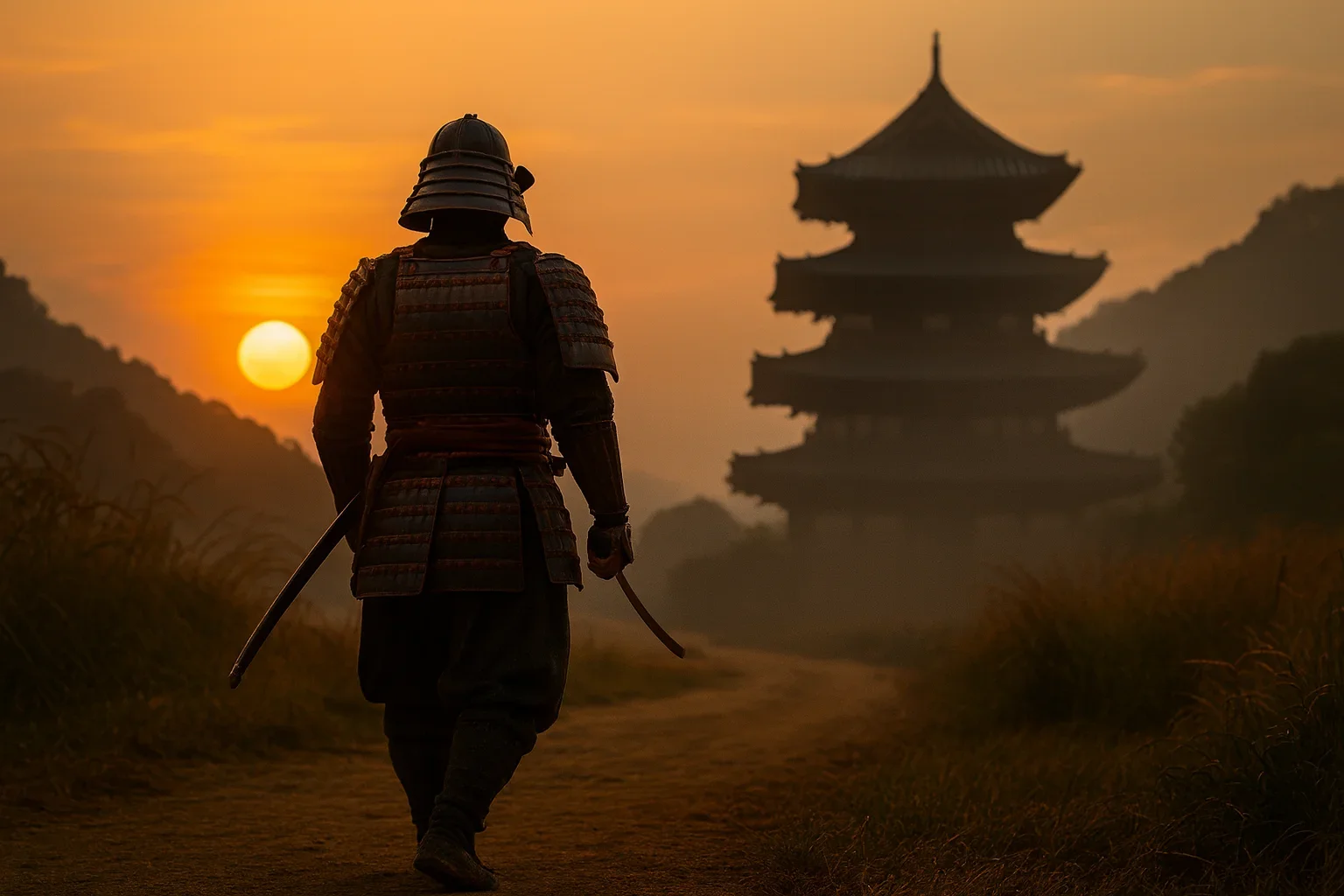
Samurai Leadership Training Secrets
In the annals of Japanese history, the image of the samurai—stoic, disciplined, and unwavering—has long captivated the imagination. Yet beyond the battlefield, the samurai were meticulous educators, shaping the next generation of leaders through a rigorous blend of martial training, moral philosophy, and cultural immersion. Understanding how samurai raised their children to be leaders offers valuable insights into leadership development that resonate even in today’s corporate and educational environments. This article explores the core principles, daily practices, and enduring legacy of samurai child-rearing, drawing on historical sources and contemporary scholarship.
1. The Foundations of Samurai Values
Central to samurai upbringing was the Bushido code—often translated as “the way of the warrior.” This ethical framework emphasized loyalty, honor, courage, and self-discipline. Children were introduced to these ideals from infancy, with parents and mentors reinforcing them through stories, rituals, and example. The University of Michigan’s Samurai Collection documents how families used daily chores and communal gatherings to instill a sense of duty and collective responsibility.
Key elements of Bushido included:
- Gi (Integrity) – Acting with honesty and moral clarity.
- Yu (Courage) – Facing adversity without fear.
- Jin (Compassion) – Showing empathy toward others.
- Rei (Respect) – Honoring elders and peers alike.
- Chugi (Honor) – Maintaining personal and familial reputation.
- Shin (Sincerity) – Being genuine in thoughts and actions.
- Makoto (Truth) – Pursuing truth in all endeavors.
These virtues were not merely theoretical; they were woven into the fabric of daily life, from the way a child greeted a teacher to the manner in which they handled a conflict with a sibling.
2. Structured Martial and Academic Training
Samurai children began formal martial training as early as six or seven years old. Under the guidance of a sensei, they practiced swordsmanship (kenjutsu), archery (kyudo), and later, firearms as technology evolved. The rigorous physical regimen was complemented by rigorous academic study—reading classical Chinese texts, mastering calligraphy, and learning strategy through the study of war games and historical battles.
Historical records, such as those found on Samurai, indicate that a typical training schedule might include:
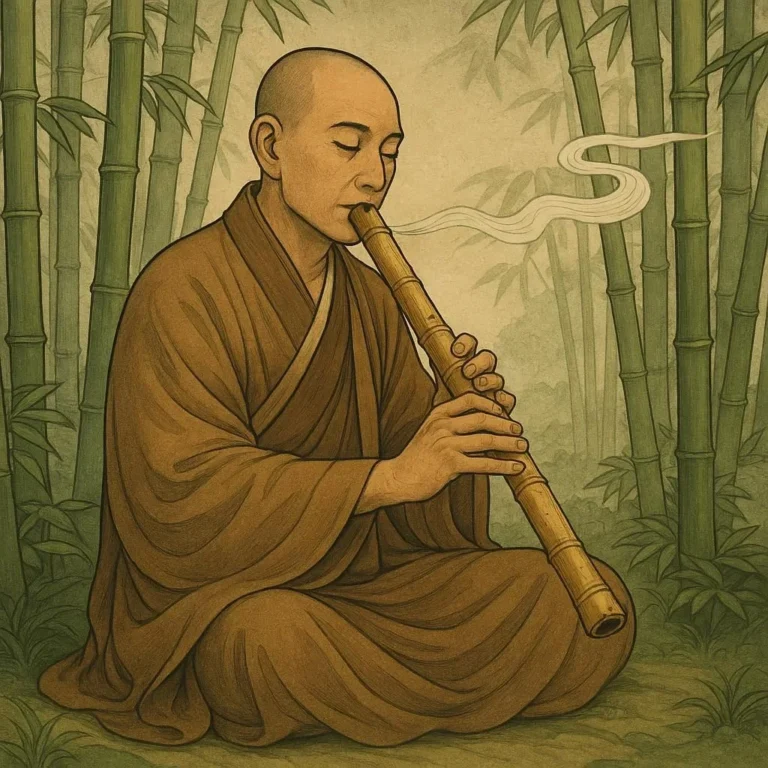
- Morning meditation and tea ceremony to cultivate focus.
- Physical drills: sword practice, archery, and footwork.
- Academic lessons: Chinese characters, poetry, and philosophy.
- Evening review of the day’s lessons and reflection on personal conduct.
By integrating mind, body, and spirit, samurai families ensured that their children developed holistic leadership qualities—resilience, strategic thinking, and ethical grounding.
3. Mentorship and the Role of the Household
Beyond formal instruction, the household served as a microcosm of society. Parents, often themselves samurai, modeled leadership through their conduct. Children observed how elders negotiated disputes, managed resources, and upheld communal norms. Mentorship extended to senior samurai within the clan, who provided guidance, feedback, and opportunities for real-world application.
One notable practice was the “shūshō” ceremony, where a child would present a crafted sword or a written essay to a senior, symbolizing readiness to assume responsibility. These rituals reinforced the idea that leadership is earned through dedication and proven competence.
4. Cultural Immersion and the Broader Japanese Context
Samurai upbringing was inseparable from the broader tapestry of Japanese culture. Exposure to the arts—such as Noh theater, tea ceremony, and ink painting—fostered aesthetic appreciation and emotional intelligence. The Japanese Culture page highlights how these artistic traditions were integral to cultivating a balanced leader who could navigate both the battlefield and the boardroom.
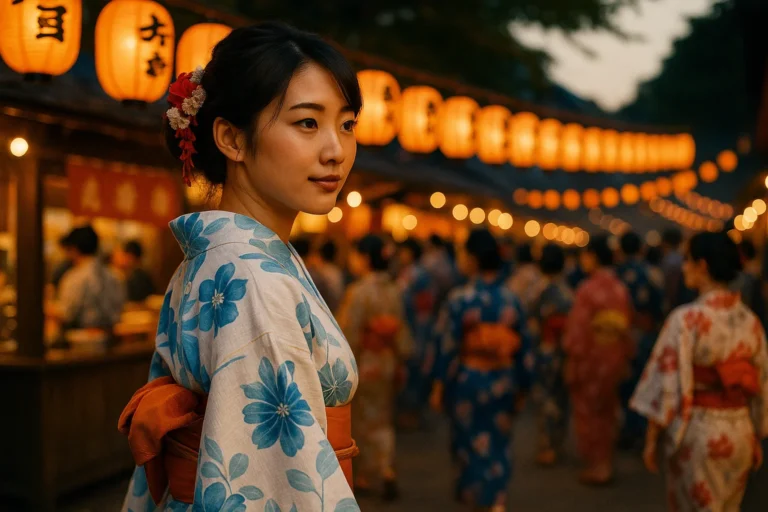
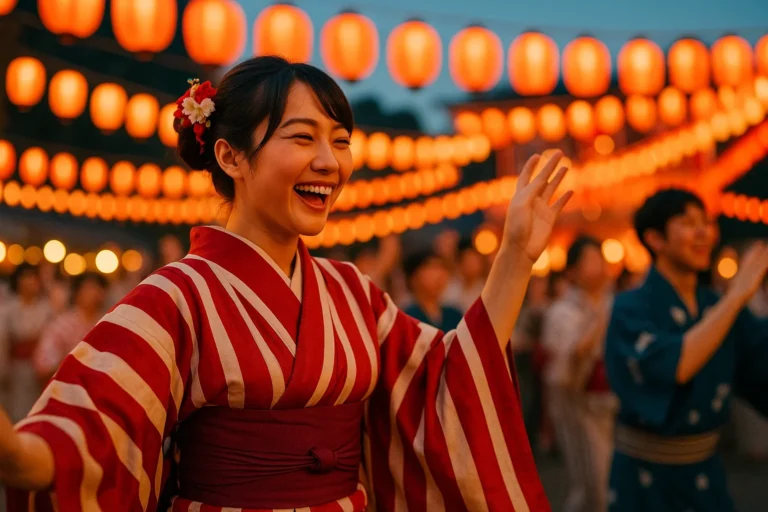
Moreover, the samurai’s engagement with the local community—participating in festivals, aiding in agricultural work, and supporting the welfare of villagers—instilled a sense of social responsibility. This community-oriented mindset is echoed in modern leadership theories that emphasize servant leadership and stakeholder engagement.
5. Lessons for Modern Leadership Development
While the samurai era ended centuries ago, the principles they championed remain relevant. Contemporary leaders can draw inspiration from:
- Early exposure to ethical frameworks – Embedding core values in organizational culture.
- Integrated training programs – Combining technical skills with soft skills and reflective practices.
- Mentorship networks – Providing guidance, feedback, and real-world challenges.
- Community engagement – Encouraging leaders to serve beyond profit motives.
By adopting a holistic approach that mirrors samurai child-rearing, modern institutions can cultivate leaders who are not only competent but also principled, resilient, and socially conscious.
Conclusion: Embrace the Samurai Legacy in Your Leadership Journey
Samurai leadership training was more than a historical curiosity; it was a comprehensive system that forged leaders capable of navigating uncertainty with honor and skill. By integrating the samurai’s emphasis on values, disciplined practice, mentorship, and cultural depth, today’s leaders can build a foundation that withstands the pressures of a rapidly changing world.
Ready to transform your leadership approach? Explore our leadership development programs and start your journey toward becoming a principled, resilient leader—just like the samurai of old.
Frequently Asked Questions
Q1. What is Bushido and why is it important?
Bushido, the “way of the warrior,” is a moral code that guided samurai behavior. It emphasizes loyalty, honor, courage, and self-discipline, shaping a leader’s character from childhood. By instilling these virtues early, samurai families created a strong ethical foundation that influenced decision‑making and interpersonal conduct. The code also served as a social contract, ensuring trust and cohesion within the clan. Today, Bushido’s principles can inform corporate values and ethical frameworks.
Q2. How did samurai children balance martial and academic training?
Samurai children followed a structured schedule that blended physical drills with intellectual study. Morning meditation and tea ceremonies set a focused tone, followed by sword and archery practice. Academic lessons covered Chinese classics, calligraphy, and strategy, ensuring a well‑rounded education. Evening reviews allowed reflection on conduct and lessons learned. This holistic routine produced leaders who were both skilled and thoughtful.
Q3. What role did mentorship play in samurai upbringing?
Mentorship was central to samurai development, with parents and senior samurai acting as role models. Children observed elders negotiate, manage resources, and uphold communal norms. Senior mentors provided feedback, set challenges, and evaluated readiness through ceremonies like shūshō. This guidance reinforced that leadership is earned through competence and dedication. Modern mentorship programs can adopt similar structures to nurture talent.
Q4. How can modern leaders apply samurai principles?
Modern leaders can adopt samurai values by embedding ethics into culture, integrating technical and soft‑skill training, and fostering mentorship networks. Early exposure to a clear value system builds integrity and resilience. Structured practice—whether through simulations or real‑world projects—mirrors the samurai’s disciplined regimen. Community engagement and servant leadership echo the samurai’s social responsibility. These practices create principled, adaptable leaders.
Q5. Are there any modern programs that incorporate samurai leadership?
Yes, several leadership academies and corporate training firms incorporate samurai-inspired curricula. Programs often blend martial arts, mindfulness, and ethical storytelling to develop holistic leaders. Some universities offer courses on Bushido and Japanese leadership history. Additionally, corporate retreats sometimes use samurai rituals to build team cohesion. These initiatives demonstrate the enduring relevance of samurai training.