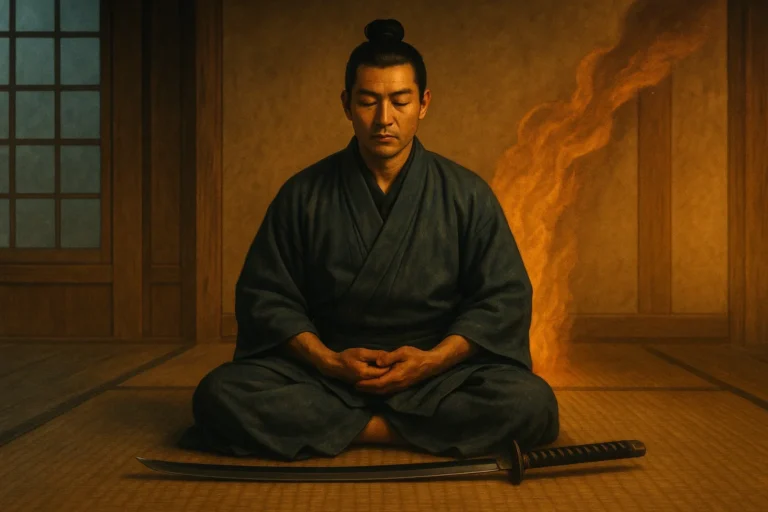
Samurai Healing Ancient Herbal Wisdom
For centuries, the disciplined warriors of feudal Japan—known as samurai—were not only masters of the sword but also custodians of a rich tradition of healing. Their approach combined rigorous physical training with a deep understanding of herbal medicine, creating a holistic system that balanced body, mind, and spirit. In this article, we explore the ancient samurai healing methods and the herbal knowledge that sustained them, offering insights that remain relevant for modern wellness seekers.
Samurai Medicine: A Holistic Framework
Samurai medicine was rooted in the principles of balance and harmony, echoing the broader Japanese concept of wa. Rather than treating symptoms in isolation, healers—often samurai themselves or trained physicians—assessed the entire physiological and psychological state of a warrior. This approach mirrored the Kampo tradition, a Japanese adaptation of Chinese herbal medicine that emphasizes individualized treatment plans.
Physical Conditioning and Preventive Care
Rigorous training was the first line of defense. Daily drills, archery, and swordsmanship built muscular endurance and resilience. Samurai also practiced yoga-like stretching and breathing exercises, known as kōhō, to enhance lung capacity and mental focus. These practices reduced injury risk and improved recovery, laying the groundwork for effective herbal interventions when wounds or illnesses arose.
Herbal Remedies: The Samurai’s Arsenal
When injury or disease struck, samurai turned to a carefully curated pharmacopeia. The most prized herbs included:
- Ginseng (Panax ginseng) – Boosted stamina and accelerated tissue repair.
- Ginkgo biloba – Improved circulation and cognitive function.
- Reishi mushroom (Ganoderma lucidum) – Strengthened the immune system and reduced inflammation.
- Honeysuckle (Lonicera japonica) – Treated fevers and respiratory infections.
- Yarrow (Achillea millefolium) – Controlled bleeding and promoted clotting.
These herbs were often combined into decoctions, poultices, or topical ointments. For example, a common wound treatment involved a poultice of crushed yarrow and honey, applied directly to the injury to halt bleeding and prevent infection.
Case Study: The Healing of a Samurai Wound
Historical records from the Genpei War describe a samurai who sustained a deep laceration during battle. Instead of relying solely on bandages, his physician prepared a mixture of ginseng, reishi, and honey. The patient was instructed to rest, apply the poultice, and consume the decoction daily. Within a week, the wound had closed with minimal scarring, and the warrior returned to duty—an outcome that underscored the efficacy of samurai healing methods.
Mind-Body Connection: The Role of Meditation
Beyond physical treatments, samurai healing emphasized mental fortitude. Meditation practices such as zazen (seated meditation) were employed to calm the mind, reduce stress, and enhance the body’s natural healing processes. Studies from the National Center for Complementary and Integrative Health (NCCIH) confirm that meditation can lower cortisol levels and improve immune function—principles that samurai intuitively applied.
Modern Applications of Samurai Herbal Wisdom
Today, many of the herbs used by samurai are recognized for their therapeutic properties. Modern research validates the anti-inflammatory, antioxidant, and immunomodulatory effects of ginseng, reishi, and honeysuckle. Integrating these herbs into contemporary wellness routines can:
- Support recovery after intense physical activity.
- Enhance mental clarity and focus.
- Bolster the immune system against common illnesses.
- Promote overall longevity and vitality.
For those interested in exploring these benefits, reputable sources such as the NCCIH herbal medicine page provide evidence-based guidance on dosage and safety.
Integrating Samurai Practices into Daily Life
Adopting samurai healing principles does not require a full commitment to martial arts. Simple steps can bring the ancient wisdom into modern routines:
- Start each day with a short breathing exercise to center the mind.
- Incorporate a handful of samurai-approved herbs into your diet—such as adding ginseng tea or reishi mushroom powder to smoothies.
- Use herbal poultices for minor cuts or bruises, following traditional recipes.
- Prioritize rest and recovery, recognizing that the body heals best when undisturbed.
Conclusion: Embrace the Samurai Legacy
Ancient samurai healing methods demonstrate that a balanced approach—combining disciplined training, herbal knowledge, and mental resilience—can yield remarkable health outcomes. By revisiting these time-tested practices, we can enrich our modern wellness strategies with proven, natural remedies and a holistic mindset.
Take the first step toward a healthier, more resilient you—integrate samurai healing principles into your daily routine today.
Frequently Asked Questions
Q1. What are the core principles of samurai healing?
Samurai healing is built on balance, holistic assessment, and the integration of physical training, herbal medicine, and meditation. It treats the warrior as a whole, addressing body, mind, and spirit simultaneously. This approach mirrors Kampo medicine’s individualized treatment plans.
Q2. Which herbs were most commonly used by samurai?
Key herbs included ginseng, ginkgo biloba, reishi mushroom, honeysuckle, and yarrow. These were used in decoctions, poultices, and ointments to boost stamina, circulation, immunity, and wound healing. Modern studies confirm many of their anti‑inflammatory and antioxidant properties.
Q3. How did samurai incorporate meditation into healing?
Samurai practiced zazen and breathing exercises to calm the mind and lower stress hormones. This mental focus enhanced immune function and accelerated recovery. Contemporary research supports meditation’s role in reducing cortisol and improving overall health.
Q4. Can modern athletes benefit from samurai practices?
Yes. The combination of disciplined training, restorative herbs, and mindfulness can improve recovery, focus, and immune resilience. Athletes can adopt simple breathing routines, herbal teas, and rest protocols inspired by samurai wisdom.
Q5. How can I safely use samurai herbs today?
Start with reputable suppliers and follow dosage guidelines from evidence‑based sources like NCCIH. Pair herbs with balanced nutrition and consult a healthcare professional if you have conditions or take medications. Traditional poultices can be used for minor cuts, but always ensure cleanliness.