Seasonal Family Traditions in Japan
Seasonal Family Traditions in Japan weave a vibrant tapestry of shared moments, cultural rituals, and generational bonding that echo across the country’s four distinct seasons. From the cherry blossoms of spring to the snow festivals of winter, families gather to celebrate, learn, and preserve their heritage. These traditions are not only a reflection of Japan’s natural rhythms but also a living testament to the values of community, respect, and continuity that define Japanese society.
Seasonal Family Traditions in Japan: Spring Celebrations
Spring in Japan is synonymous with renewal, and families embrace this spirit through a series of cherished customs. The most iconic is the Hanami (flower viewing) tradition, where relatives picnic beneath blooming cherry trees, sharing homemade bento boxes and local sake. According to the Wikipedia entry on cherry blossoms, Hanami dates back to the Nara period, evolving into a nationwide pastime that encourages communal appreciation of nature’s fleeting beauty.
Another spring highlight is the Shichi-Go-San festival, observed on November 15th, but families often prepare in the preceding months. Children aged three, five, and seven dress in traditional kimonos and visit shrines to pray for health and growth. The ritual underscores the importance of family support and the passing of cultural knowledge from parents to children.
Families also partake in the Oshogatsu (New Year) celebrations, which begin in late December and extend into early January. The first shrine visit of the year, known as Hatsumode, is a collective family activity where members pray for prosperity and safety. The tradition of eating osechi-ryori, a meticulously prepared set of dishes, reinforces familial bonds through shared culinary heritage.
Seasonal Family Traditions in Japan: Summer Festivities
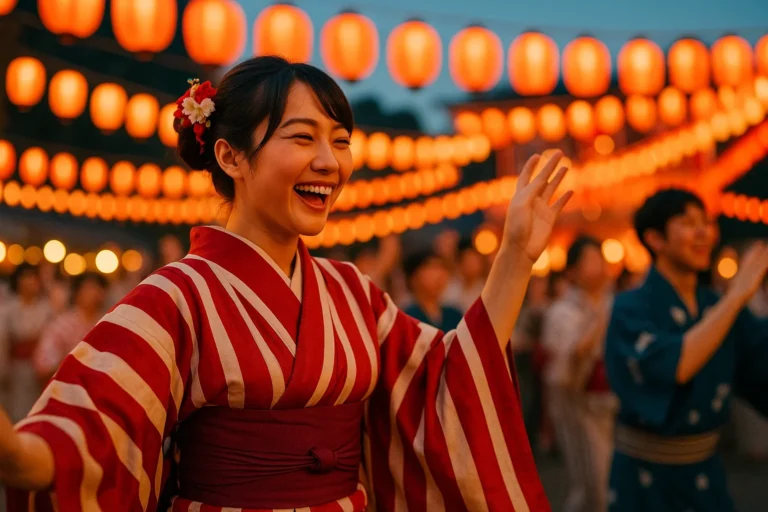
Summer brings a burst of color and energy, with festivals that invite families to engage in music, dance, and communal feasting. The Obon festival, typically held in mid-August, honors ancestral spirits. Families gather to clean graves, perform Bon Odori dances, and light lanterns, creating a poignant reminder of the continuity between past and present.
Another vibrant summer tradition is the Tanabata festival, celebrated on July 7th. Families write wishes on tanzaku (small paper strips) and hang them on bamboo branches, hoping for fulfillment. This practice encourages reflection and collective aspiration, fostering a sense of unity among family members.
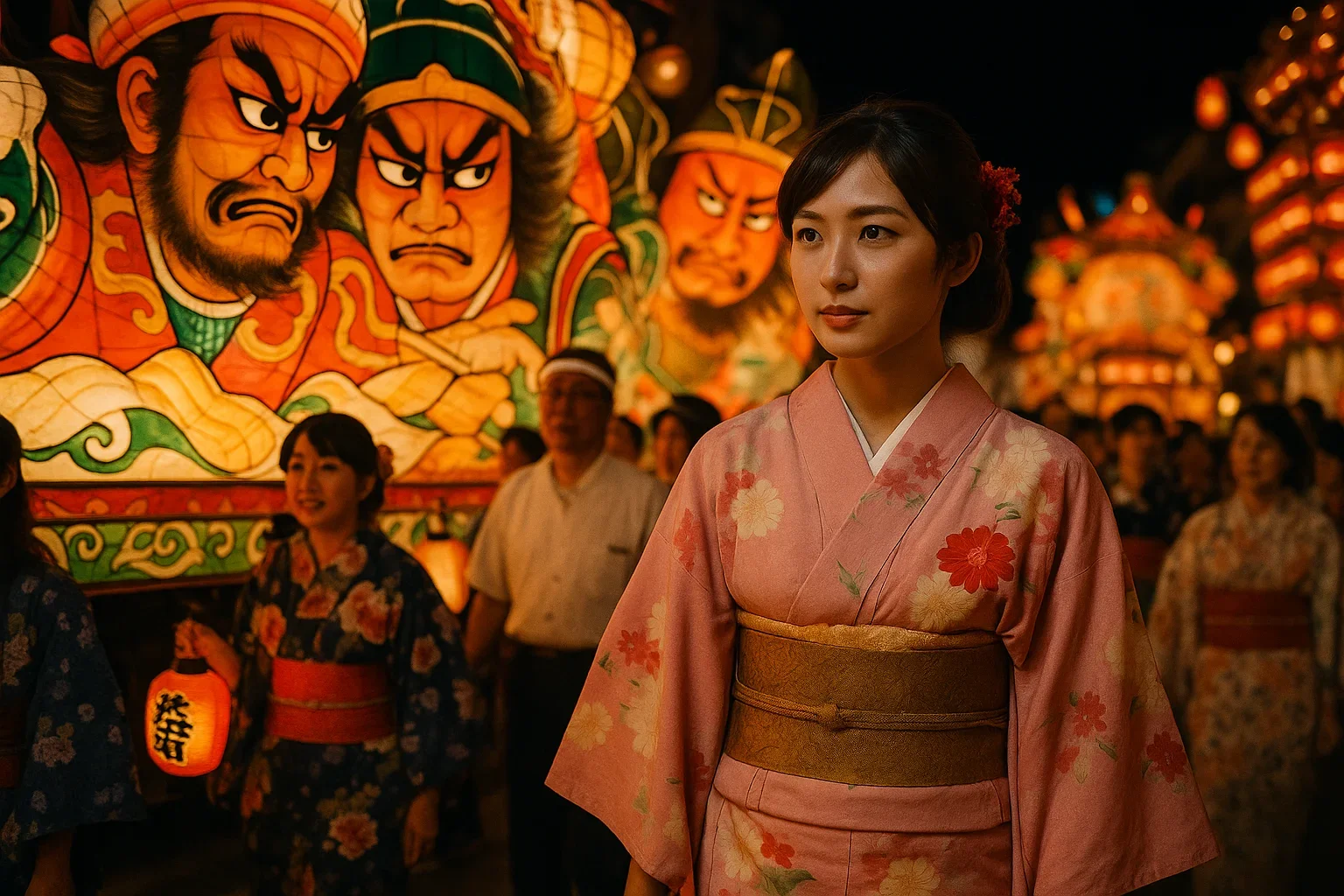
Summer also features the Yukata tradition, where families don lightweight cotton kimonos for evening strolls and local festivals. The casual yet elegant attire promotes a relaxed atmosphere, allowing families to enjoy the warm evenings together.
Seasonal Family Traditions in Japan: Autumn Gatherings
Autumn is a season of gratitude and harvest, and families celebrate through a variety of customs that emphasize appreciation for nature’s bounty. The Momiji-gari (autumn leaf viewing) mirrors Hanami, with families exploring forests and parks to admire the vibrant maple leaves. This activity encourages outdoor bonding and mindfulness.
During the Tsukimi (moon viewing) festival, families gather to admire the full moon, often accompanied by dango (sweet rice dumplings) and miso soup. The ritual of moon appreciation fosters a sense of wonder and shared experience, reinforcing familial ties.
Autumn also marks the Harvest Festival in many rural areas, where families participate in communal rice planting and reaping. This hands‑on tradition teaches younger generations the value of hard work and the importance of contributing to the family’s sustenance.
Seasonal Family Traditions in Japan: Winter Warmth
Winter in Japan is characterized by snow, festivals, and cozy indoor gatherings. Families often visit Onsen (hot springs) during the colder months, a practice that promotes relaxation and health. The communal bathing experience is a cherished family activity that strengthens bonds through shared comfort.
Another winter staple is the Yukiguni (snow country) festivals, where families participate in snow sculpting and ice lantern displays. These events highlight creativity and teamwork, as families collaborate to create intricate designs that illuminate the night.
Finally, the New Year’s Eve tradition of Joya no Kane involves ringing temple bells 108 times to dispel earthly desires. Families gather to listen to the resonant chimes, symbolizing renewal and the collective aspiration for a harmonious year ahead.
- Spring: Hanami, Shichi-Go-San, Hatsumode
- Summer: Obon, Tanabata, Yukata
- Autumn: Momiji-gari, Tsukimi, Harvest Festival
- Winter: Onsen, Yukiguni, Joya no Kane
These seasonal family traditions in Japan are more than mere celebrations; they are living lessons in respect, gratitude, and continuity. By engaging in these customs, families not only honor their cultural roots but also create lasting memories that transcend generations.
Embrace the beauty of seasonal family traditions in Japan and let your family’s story unfold with each passing season. Join us in celebrating the rich tapestry of Japanese culture—share your own family traditions and inspire others to cherish their heritage.
Frequently Asked Questions
Q1. What is Hanami and why is it important for families?
Hanami is the traditional Japanese custom of viewing cherry blossoms. Families gather under blooming trees to picnic, share food, and appreciate nature’s fleeting beauty. It fosters a sense of community and gratitude for the present moment. The practice dates back to the Nara period and has become a nationwide pastime. It also strengthens family bonds through shared experiences.
Q2. How do families celebrate Shichi-Go-San and what does it signify?
Shichi-Go-San is a rite of passage for children aged three, five, and seven. Families dress the children in kimonos and visit shrines to pray for health and growth. The ceremony emphasizes the importance of family support and cultural continuity. It also provides an opportunity for parents to pass down traditions. The event is a cherished milestone in many Japanese households.
Q3. What role does Onsen play in winter family traditions?
Onsen, or hot springs, are a popular winter activity for families in Japan. Visiting an onsen offers relaxation, health benefits, and a chance to bond in a communal setting. Families often share a meal after bathing, reinforcing culinary traditions. The experience also provides a soothing escape from the cold weather. It is a cherished way to strengthen family ties during the winter season.
Q4. How do families participate in Obon and what is its cultural significance?
Obon is a mid‑August festival that honors ancestral spirits. Families clean graves, perform Bon Odori dances, and light lanterns to welcome the spirits. The festival underscores the connection between past and present generations. It encourages reflection on family heritage and gratitude. Families often share meals and stories, deepening their bonds.
Q5. What are some autumn traditions families enjoy, such as Momiji-gari and Tsukimi?
During autumn, families explore forests for Momiji-gari, admiring maple leaves in vibrant colors. They also gather for Tsukimi, moon viewing, often accompanied by dango and miso soup. These activities promote mindfulness and shared wonder. They reinforce appreciation for nature’s bounty and family unity. Autumn traditions are a time for gratitude and togetherness.