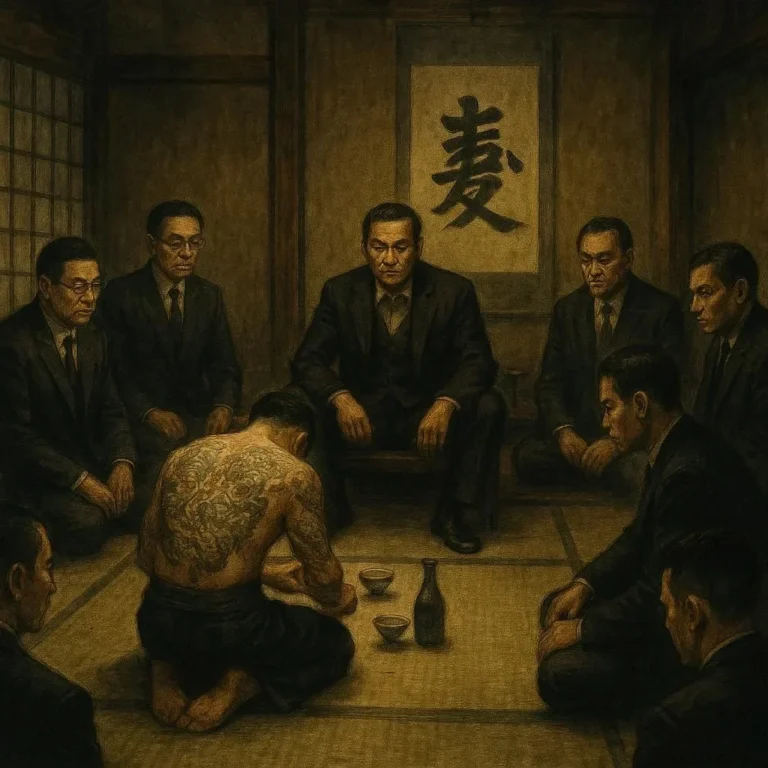
Retail Clusters and Yakuza Influence
Retail Clusters, the dense networks of shops and markets that define many urban streets, have long been a mirror of the social and economic currents that shape a city. In Japan, the historical intertwining of these clusters with Yakuza groups—organized crime syndicates—offers a compelling case study of how illicit power can sculpt legitimate commerce. By tracing the evolution of retail clusters from the Edo period to the present, we uncover patterns of influence, control, and resilience that remain relevant for policymakers, business owners, and scholars alike.
Origins of Retail Clusters in Edo‑Period Japan
During the Edo period (1603‑1868), the rise of merchant towns such as Osaka and Nagoya created vibrant retail clusters that catered to a growing urban population. These clusters were not merely marketplaces; they were social hubs where information, culture, and commerce intersected. The Yakuza, originally formed as street gangs protecting merchants from highway bandits, gradually embedded themselves within these clusters. Their early role as “protectors” gave them a foothold in the supply chains of goods ranging from textiles to foodstuffs.
Mechanisms of Yakuza Influence on Modern Retail
In the post‑war era, the Yakuza expanded their reach into legitimate businesses through a combination of intimidation, financial leverage, and strategic alliances. The following mechanisms illustrate how they shaped retail clusters:
- Extortion and Protection Rackets: Retailers were often required to pay for “protection” against vandalism or theft, effectively funneling revenue to Yakuza affiliates.
- Supply Chain Control: By owning or controlling key suppliers—especially in the food and beverage sectors—Yakuza groups could dictate pricing and distribution.
- Real‑Estate Manipulation: Through front companies, they acquired prime storefronts, forcing legitimate businesses to relocate or face hostile takeover.
- Political Lobbying: Connections with local officials enabled the Yakuza to influence zoning laws and licensing procedures, creating a favorable environment for their operations.
Case Study: The Shinjuku Shopping District
Shinjuku, one of Tokyo’s busiest commercial hubs, exemplifies the complex relationship between retail clusters and organized crime. In the 1970s, the Yakuza’s “Kōkō” group established a presence in the district’s wholesale market, controlling the distribution of imported goods. By the 1990s, their influence had spread to retail storefronts, where they enforced a code of conduct that favored Yakuza‑owned suppliers. Studies by the Japanese Law Translation Institute highlight how these practices led to inflated prices and limited competition.
Despite aggressive law‑enforcement crackdowns in the early 2000s, remnants of Yakuza influence persisted. Retailers who resisted were often subjected to vandalism or forced closures, illustrating the enduring power of these clusters. Recent data from the Japanese Statistics Bureau shows a gradual decline in Yakuza‑linked businesses, yet the legacy of their control remains evident in the pricing structures of certain goods.
Economic Impact and Community Resilience
Yakuza involvement in retail clusters has had measurable economic consequences. A 2018 report by the Nippon Foundation estimated that illicit activities in retail sectors cost Japan approximately ¥1.2 trillion annually in lost tax revenue and increased operational costs. Moreover, the presence of organized crime can deter foreign investment, as businesses fear reputational damage or legal entanglements.
However, communities have shown remarkable resilience. Grassroots initiatives, such as the “Clean Streets” program in Osaka, mobilized local merchants to collaborate with police and civic groups to eradicate Yakuza influence. These efforts have led to a measurable increase in legitimate business registrations and a decline in crime rates within targeted retail clusters.
Policy Recommendations for Sustainable Retail Clusters
To safeguard the integrity of retail clusters, policymakers should consider the following strategies:
- Transparent Licensing: Implement stricter background checks for business owners and require disclosure of financial backers.
- Community Policing: Foster partnerships between law enforcement and local merchants to identify and report suspicious activities.
- Economic Incentives: Offer tax breaks or grants to businesses that demonstrate compliance with anti‑extortion standards.
- Public Awareness Campaigns: Educate consumers about the risks of patronizing Yakuza‑linked establishments.
Conclusion: Building Trustworthy Retail Ecosystems
Retail Clusters historically influenced by Yakuza groups illustrate the delicate balance between commerce, community, and crime. While the past reveals a pattern of exploitation and control, the present offers a roadmap for reform. By strengthening regulatory frameworks, empowering local stakeholders, and promoting transparency, cities can transform retail clusters into vibrant, resilient ecosystems that serve both consumers and businesses.
Take Action Now: Join the Clean Streets Initiative and help restore integrity to your local retail cluster. Visit Clean Streets Japan to learn how you can contribute.
Frequently Asked Questions
Q1. What are retail clusters and why are they significant in urban Japan?
Retail clusters are dense networks of shops and markets that form the commercial heart of a city. In Japan, they serve as social hubs where information, culture, and commerce intersect. Their concentration of businesses creates vibrant street life and drives local economies. Understanding their dynamics helps policymakers protect consumers and support small‑business growth.
Q2. How did Yakuza originally become involved in retail clusters during the Edo period?
Yakuza began as street gangs protecting merchants from highway bandits. As merchant towns grew, they embedded themselves in supply chains, offering “protection” services. This early role gave them a foothold in textiles, food, and other goods, allowing them to influence market operations from the outset.
Q3. What mechanisms do Yakuza use to influence modern retail businesses?
They employ extortion, supply‑chain control, real‑estate manipulation, and political lobbying. Retailers often pay for protection, while Yakuza‑owned suppliers dictate prices. Front companies acquire prime storefronts, and connections with officials shape zoning and licensing to favor their interests.
Q4. How has the Japanese government addressed Yakuza influence in retail clusters?
Law‑enforcement crackdowns began in the early 2000s, targeting extortion and money‑laundering. New legislation tightened licensing and required background checks. Recent data shows a gradual decline in Yakuza‑linked businesses, though remnants persist in pricing structures.
Q5. What steps can local merchants take to protect themselves from extortion?
Merchants should register with local police, join community policing initiatives, and maintain transparent financial records. They can also seek legal counsel to challenge unlawful demands and apply for tax incentives that reward compliance with anti‑extortion standards.