Yakuza Mutual Support Systems
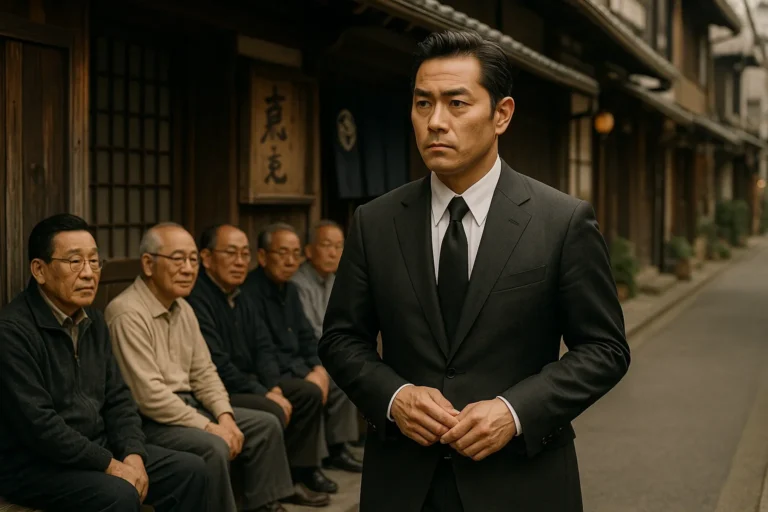
For decades, the Yakuza—Japan’s infamous organized crime syndicates—have cultivated a complex web of mutual support systems that extend far beyond illicit enterprises. These networks, rooted in centuries of tradition, provide financial aid, legal counsel, and social services to members and their families, creating a quasi‑state structure within the underworld. Understanding how these mutual aid mechanisms once operated offers insight into the resilience of organized crime and the challenges faced by law‑enforcement agencies worldwide.
Historical Roots of Yakuza Mutual Aid
The origins of Yakuza mutual support can be traced back to the Edo period, when street merchants and gamblers formed guilds to protect their interests. These early associations, known as kabukimono and later yakuza, established a code of conduct and a system of mutual assistance that survived the Meiji Restoration and the rapid industrialization of Japan. By the 20th century, the Yakuza had institutionalized these practices into formal structures such as the kōyō (support fund) and the kōshō (legal aid fund), which pooled resources to support members during illness, injury, or legal disputes.
Organizational Structure and Membership
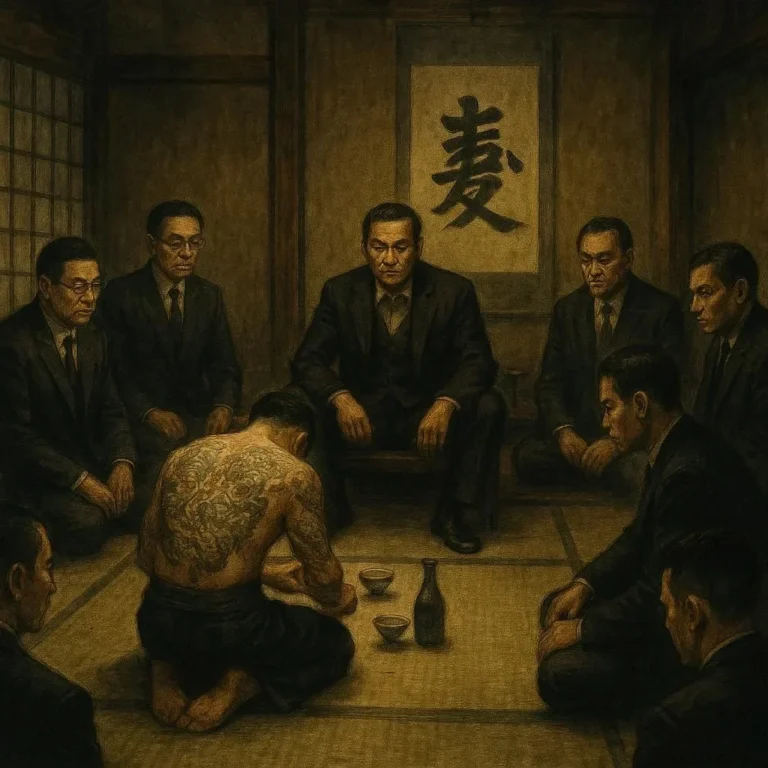
Yakuza mutual support systems were organized around a hierarchical framework that mirrored the syndicate’s broader leadership. At the apex sat the oyabun (boss), who oversaw the distribution of funds and the allocation of services. Beneath him were the wakagashira (underboss) and shatei (lieutenants), each responsible for specific districts or business ventures. Membership was tightly controlled; initiation rites—often involving a symbolic scar or a ceremonial knife—ensured loyalty and secrecy. Once initiated, members were entitled to a range of benefits, from funeral arrangements to housing subsidies, reinforcing a sense of belonging that transcended legal boundaries.
Economic Functions and Community Outreach
Beyond internal welfare, Yakuza mutual aid extended into legitimate economic activities. Syndicates invested in real estate, construction, and entertainment, using profits to fund their support systems. In many rural towns, Yakuza groups acted as informal lenders, offering low‑interest loans to farmers and small businesses that were otherwise excluded from mainstream banking. This dual role—criminal and community benefactor—allowed the Yakuza to embed themselves within local economies, creating a veneer of legitimacy that complicated law‑enforcement efforts.
- Financial Assistance: Loans, insurance, and emergency cash injections.
- Legal Support: Representation in court and negotiation with prosecutors.
- Social Services: Funeral arrangements, childcare, and housing subsidies.
- Community Projects: Sponsorship of local festivals and disaster relief.
Modern Challenges and Legal Reforms
In recent decades, Japan’s government has intensified efforts to dismantle Yakuza influence. The Anti-Organized Crime Law of 1992 and subsequent amendments introduced stricter penalties and asset seizure provisions. These legal reforms have strained the Yakuza’s mutual support systems, forcing syndicates to adapt. Many have shifted to more covert operations, relying on offshore accounts and digital currencies to sustain their welfare programs. However, the erosion of public trust and increased scrutiny have weakened the social safety nets that once bound members together.
International cooperation has also played a role. The United Nations Office on Drugs and Crime (UNODC) has issued guidelines for disrupting organized crime financing, which directly impact the Yakuza’s ability to fund mutual aid. As a result, some syndicates have begun to outsource support functions to third‑party charities, blurring the line between criminal and philanthropic activities.
Conclusion: The Legacy of Yakuza Mutual Support Systems
Yakuza mutual support systems once represented a sophisticated blend of criminal enterprise and community welfare. Their historical roots, hierarchical organization, and economic integration illustrate how organized crime can masquerade as a benevolent institution. While modern legal reforms and global cooperation have disrupted these networks, remnants of their support mechanisms persist, adapting to new technologies and regulatory landscapes.
For policymakers, law‑enforcement professionals, and scholars, understanding the evolution of Yakuza mutual aid is essential for crafting effective counter‑measures. By studying these systems, we can better anticipate how organized crime will continue to evolve and protect vulnerable populations from exploitation.
Take Action: Stay Informed, Stay Safe. Learn more about how Yakuza mutual support systems shape Japan’s social fabric and what it means for global security.
Sources:
- Yakuza – Wikipedia
- Japan Ministry of Justice – Organized Crime
- Academic Study on Yakuza Support Networks
- Japan Times – Yakuza Legal Reforms
- UNODC – Organized Crime
Frequently Asked Questions
Q1. What are Yakuza mutual support systems?
Yakuza mutual support systems are informal welfare networks established by Japan’s organized crime syndicates. They provide financial aid, legal counsel, and social services to members and their families, functioning like a quasi‑state within the underworld. These mechanisms help maintain loyalty and cohesion among members while offering a safety net during illness, injury, or legal disputes.
Q2. How did these systems originate historically?
The origins trace back to the Edo period when street merchants and gamblers formed guilds such as kabukimono. These early associations created a code of conduct and mutual aid that survived the Meiji Restoration and industrialization. By the 20th century, the Yakuza institutionalized the practice into formal funds like kōyō and kōshō.
Q3. What services do they provide to members?
Members receive a range of benefits, including low‑interest loans, insurance, emergency cash injections, legal representation, funeral arrangements, childcare, housing subsidies, and sponsorship of community events. These services reinforce a sense of belonging that transcends legal boundaries.
Q4. How have legal reforms impacted them?
Japan’s Anti‑Organized Crime Law of 1992 and subsequent amendments imposed stricter penalties and asset seizure provisions. These reforms strained the Yakuza’s funding streams, forcing syndicates to shift to offshore accounts and digital currencies. The erosion of public trust and increased scrutiny have weakened the social safety nets that once bound members together.
Q5. Are there any modern adaptations?
Modern Yakuza groups increasingly rely on covert operations, offshore accounts, and digital currencies to sustain welfare programs. Some syndicates outsource support functions to third‑party charities, blurring the line between criminal and philanthropic activities. International cooperation, such as UNODC guidelines, further disrupts traditional funding mechanisms.
Related Articles