Samurai Ethos Shaped Japanese Morality
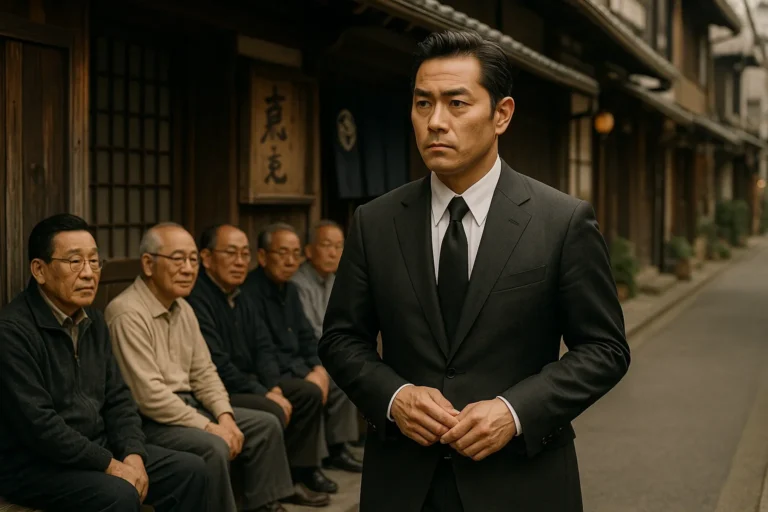
The enduring image of the samurai—a disciplined warrior bound by a strict code—has long captivated the imagination of scholars and enthusiasts alike. Yet beyond the battlefield, the Samurai Ethos has profoundly influenced the moral fabric of Japanese society. From the reverence for honor to the emphasis on self‑discipline, the principles that guided these warriors seeped into everyday life, shaping attitudes toward duty, respect, and community. Understanding how this ethos permeated Japanese morality offers insight into the nation’s cultural evolution and its contemporary values.
Origins of the Samurai Ethos
The roots of the Samurai Ethos trace back to the Heian period (794‑1185), when aristocratic warriors began to assert their power over the imperial court. Initially, their role was to protect the nobility, but over time they developed a distinct identity centered on loyalty, courage, and personal integrity. Scholars argue that this identity was crystallized during the Kamakura shogunate (1192‑1333), when the first military government formalized the warrior class’s responsibilities. The ethos was not merely a set of battlefield tactics; it was a comprehensive moral framework that dictated how samurai interacted with society, family, and even nature.
Bushido: The Moral Codex
At the heart of the Samurai Ethos lies Bushido, literally “the way of the warrior.” This code, though not codified in a single text, emerged as a collection of virtues that samurai were expected to embody. The core principles—rectitude, courage, benevolence, respect, honesty, honor, and loyalty—formed a moral compass that guided both personal conduct and public duty. These virtues were taught through rigorous training, poetry, and ritual, ensuring that every samurai internalized them from a young age.
- Rectitude (Gi) – Moral judgment and integrity.
- Courage (Yū) – Fearlessness in the face of adversity.
- Benevolence (Jin) – Compassion toward others.
- Respect (Rei) – Politeness and humility.
- Honesty (Makoto) – Truthfulness and sincerity.
- Honor (Meiyo) – Upholding one’s reputation.
- Loyalty (Chū) – Devotion to master and nation.
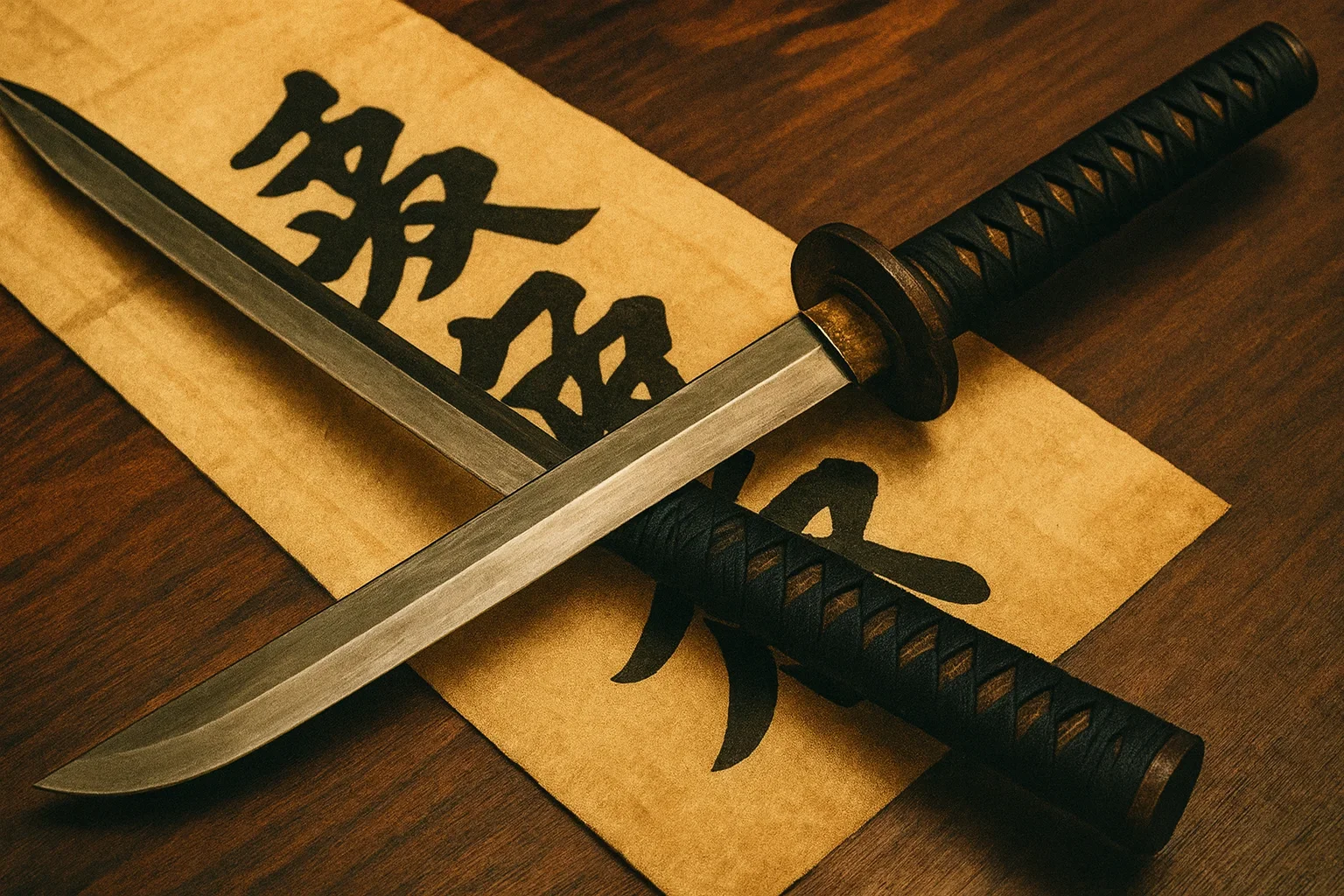
These virtues were not abstract ideals; they were lived experiences. For instance, the practice of seppuku—ritual suicide—was a dramatic expression of honor and loyalty, underscoring the seriousness with which samurai treated their moral commitments.
Samurai Ethos in Everyday Life
While the battlefield was the most visible arena for the Samurai Ethos, its influence permeated daily life across all strata of Japanese society. The emphasis on respect (Rei) manifested in the meticulous etiquette of tea ceremonies, calligraphy, and even the simple act of bowing. The virtue of benevolence (Jin) encouraged samurai to act as protectors of the weak, fostering a culture of social responsibility that extended beyond the warrior class.
Moreover, the concept of honor (Meiyo) shaped interpersonal relationships. A samurai’s reputation was paramount; even a minor lapse could tarnish a lifetime of service. This heightened awareness of personal conduct contributed to a broader societal expectation of integrity and accountability, influencing business practices, education, and governance.
Legacy of Samurai Ethics Today
In modern Japan, the echoes of the Samurai Ethos are evident in various cultural and institutional practices. Corporate Japan’s emphasis on teamwork, loyalty to the company, and a strong work ethic can be traced back to Bushido’s principles. The concept of “giri” (duty) and “ninjo” (human feeling) continues to balance personal ambition with social responsibility, mirroring the samurai’s internal conflict between personal desire and duty to master.
Educational curricula often incorporate lessons on Bushido to teach students about historical values and moral reasoning. Even popular media—anime, manga, and films—frequently portray samurai characters who embody these virtues, reinforcing their relevance to contemporary audiences.
Furthermore, the Japanese legal system and civil society emphasize fairness, respect, and community welfare—values that resonate with the samurai’s moral framework. The enduring respect for hierarchy and the importance of consensus in decision‑making reflect the disciplined order that samurai upheld on the battlefield.
Conclusion: Embracing the Samurai Legacy
From the early days of feudal Japan to the present, the Samurai Ethos has left an indelible mark on Japanese morality. Its core virtues—rectitude, courage, benevolence, respect, honesty, honor, and loyalty—continue to shape individual behavior, social norms, and national identity. By studying this legacy, we gain a deeper appreciation for how historical values can inform modern ethical frameworks and inspire a culture of integrity and responsibility.
Take Action: Explore how the principles of Bushido can enrich your personal and professional life. Visit reputable resources such as Samurai, Bushido, and Bushido on Britannica to learn more about this enduring moral tradition.
Frequently Asked Questions
Q1. What is the Samurai Ethos?
The Samurai Ethos refers to the moral and ethical framework that guided samurai warriors, emphasizing virtues such as rectitude, courage, benevolence, respect, honesty, honor, and loyalty. It shaped their conduct on and off the battlefield, influencing Japanese society at large.
Q2. How did Bushido influence everyday life in feudal Japan?
Bushido, the code of the warrior, permeated daily customs like tea ceremonies, calligraphy, and bowing etiquette. It fostered a culture of respect, discipline, and social responsibility that extended beyond the warrior class.
Q3. In what ways does the Samurai Ethos appear in modern Japanese business?
Modern corporate culture values teamwork, loyalty, and a strong work ethic—principles rooted in Bushido. Employees often prioritize company duty over personal ambition, mirroring the samurai’s sense of duty to their master.
Q4. What is the significance of seppuku in the context of the Samurai Ethos?
Seppuku was a ritual suicide that demonstrated a samurai’s unwavering commitment to honor and loyalty. It underscored the seriousness with which samurai treated their moral obligations.
Q5. How can individuals apply Bushido principles today?
By embracing virtues like integrity, respect, and responsibility, people can foster personal growth and ethical decision‑making in both personal and professional settings.