Harmony in Japanese Homes
Harmony in Japanese Homes is more than a design trend; it is a living philosophy that shapes every aspect of domestic life. From the layout of a single room to the choice of materials, Japanese homes embody a deep respect for balance, simplicity, and the natural world. In this article, we explore how these values manifest in architecture, interior design, and everyday habits, offering insights that can inspire anyone looking to create a more harmonious living space.
1. The Philosophy of Harmony
At the core of Japanese culture is the concept of wa—a collective harmony that prioritizes group well-being over individual ego. This principle is reflected in the way homes are conceived: spaces are designed to flow seamlessly, encouraging calm and cooperation. The idea of ma, or the intentional use of negative space, allows rooms to breathe and occupants to feel at ease. By embracing ma, homeowners create environments that support both solitude and social interaction without conflict.
2. Architectural Elements that Promote Balance
Japanese architecture is renowned for its subtlety and adaptability. Key features that foster harmony include:
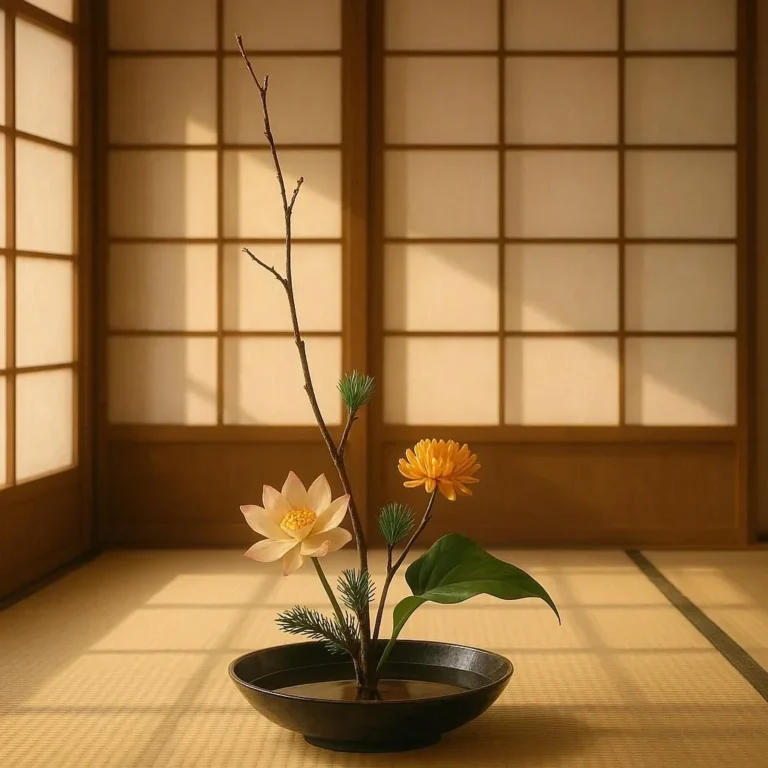
- Shoji screens—translucent paper panels that diffuse light and create flexible partitions.
- Tatami mats—cushioned flooring that sets a natural, rhythmic pace for movement.
- Sliding doors—allowing rooms to merge or separate as needed.
- Natural materials—wood, bamboo, and stone that connect interiors with the outdoors.
- Low ceilings—promoting a sense of intimacy and groundedness.
These elements work together to maintain a visual and emotional equilibrium. For instance, the use of shoji screens not only controls privacy but also filters sunlight, creating a gentle, ever-changing ambience that aligns with the seasons.
3. Interior Design Practices Rooted in Harmony
Japanese interior design is a masterclass in minimalism and intentionality. The practice of wabi-sabi—appreciating imperfection and transience—guides the selection of furnishings and décor. Rather than cluttering a space with excess, designers focus on quality, craftsmanship, and the natural aging of materials. This approach encourages occupants to slow down, observe, and appreciate the present moment.
Key design strategies include:
- Using a restrained color palette that mirrors nature.
- Incorporating tatami mats to anchor the floor and provide a tactile connection to the earth.
- Choosing furniture with clean lines and low profiles to avoid visual clutter.
- Integrating indoor plants to bring life and a sense of renewal.
- Employing subtle lighting that mimics natural daylight.
These choices create a serene environment that supports mental clarity and emotional stability. By limiting distractions, homeowners can cultivate a space that nurtures both personal growth and communal harmony.
4. Everyday Living and the Harmony Mindset
Harmony in Japanese Homes extends beyond aesthetics; it permeates daily routines. Practices such as tea ceremony rituals, mindful cleaning, and seasonal décor changes reinforce a rhythm that aligns with the natural world. The emphasis on balance encourages residents to maintain a healthy work-life integration, fostering well-being and resilience.
For example, the traditional Japanese practice of kōdō (the art of incense) is not merely about fragrance; it is a meditative exercise that cultivates presence and gratitude. Similarly, the act of cleaning—known as seiketsu—is performed with reverence, turning a mundane task into a mindful practice that reinforces order and respect.
Adapting Harmony to Modern Homes
While the principles of harmony are deeply rooted in tradition, they can be seamlessly integrated into contemporary living spaces. Consider the following adaptations:
- Install sliding partitions to create flexible zones that can be reconfigured for work or relaxation.
- Choose furniture with natural wood finishes and simple silhouettes.
- Incorporate indoor plants that thrive in low light to bring a touch of nature indoors.
- Use soft, indirect lighting to emulate the gentle glow of a Japanese lantern.
- Adopt a decluttering routine that focuses on keeping only what adds value or joy.
By weaving these elements into your home, you can cultivate an environment that supports both personal tranquility and harmonious relationships.
Conclusion: Embrace Harmony in Your Living Space
Harmony in Japanese Homes offers a timeless blueprint for creating spaces that nurture the body, mind, and community. By embracing principles such as ma, wabi-sabi, and mindful living, you can transform your home into a sanctuary of balance and serenity. Start today by selecting one element—perhaps a shoji screen or a low-profile sofa—and observe how it shifts the energy of your space.
Ready to bring harmony into your home? Explore our curated collection of Japanese-inspired décor and design tools that help you build a balanced, peaceful environment. Discover more and start your journey toward a harmonious living space.
For deeper insights into Japanese architecture and interior design, visit these authoritative resources:
- Japanese Architecture
- Wabi-sabi
- Shoji Screens
- National Geographic: Japanese Architecture
- Japan Guide: Traditional Homes
Frequently Asked Questions
Q1. What is the concept of “wa” and how does it influence Japanese home design?
“Wa” is the Japanese idea of collective harmony that prioritizes group well‑being over individual ego. In home design it encourages spaces that flow smoothly, allowing occupants to move and interact without friction. The layout often features open, flexible zones that promote calm and cooperation. By valuing harmony, designers create environments that support both solitude and social interaction. This principle is reflected in everything from room proportions to material choices.
Q2. How does the use of “ma” create harmony in living spaces?
“Ma” refers to the intentional use of negative space, giving rooms room to breathe. It balances visual clutter with quiet areas, allowing the mind to rest. In practice, it means leaving gaps between furniture, using sliding partitions, and incorporating natural light. The result is a sense of openness that feels both intimate and expansive. “Ma” helps occupants feel at ease and encourages mindful movement.
Q3. What architectural elements are key to achieving balance in Japanese homes?
Key elements include shoji screens, tatami mats, sliding doors, natural materials, and low ceilings. Shoji screens diffuse light and create flexible partitions, while tatami mats set a rhythmic pace for movement. Sliding doors allow rooms to merge or separate as needed, and natural materials connect interiors with the outdoors. Low ceilings promote intimacy and groundedness. Together, these features maintain visual and emotional equilibrium.
Q4. How can I incorporate wabi‑sabi principles into my modern home?
Start by choosing quality, handcrafted pieces that age gracefully. Use a restrained color palette that mirrors nature and avoid excessive ornamentation. Add indoor plants to bring life and renewal. Embrace subtle lighting that mimics natural daylight. Finally, practice mindful decluttering, keeping only items that add value or joy.
Q5. What everyday practices promote harmony in Japanese households?
Daily rituals such as tea ceremony, mindful cleaning, and seasonal décor changes reinforce a rhythm aligned with nature. The art of incense (kōdō) serves as a meditative exercise, while seiketsu turns cleaning into a reverent practice. These habits cultivate presence, gratitude, and order. They also support a healthy work‑life integration, fostering well‑being and resilience. By adopting similar routines, you can nurture harmony in your own home.
Related Articles