Fusuma and Shoji Doors Meaning
Fusuma and Shoji doors are more than just sliding panels; they are cultural artifacts that embody centuries of Japanese design philosophy, spirituality, and practical ingenuity. Understanding their meaning offers insight into how space, light, and privacy are negotiated in traditional homes, and how these concepts continue to inspire contemporary architecture worldwide.
Historical Roots of Fusuma and Shoji Doors
The origins of Fusuma and Shoji doors trace back to the Heian period (794–1185), when the aristocracy began to experiment with movable partitions to create flexible living spaces. Fusuma were initially carved from wood and covered with paper, allowing rooms to be reconfigured for ceremonies or daily life. Shoji, on the other hand, emerged as a lighter, more translucent alternative, using translucent paper to diffuse natural light while maintaining a sense of openness. Over time, these elements became integral to the *washitsu* (Japanese-style room) and the *tatami* flooring system, reflecting a philosophy that values harmony between interior and exterior environments.
Design Elements and Materials
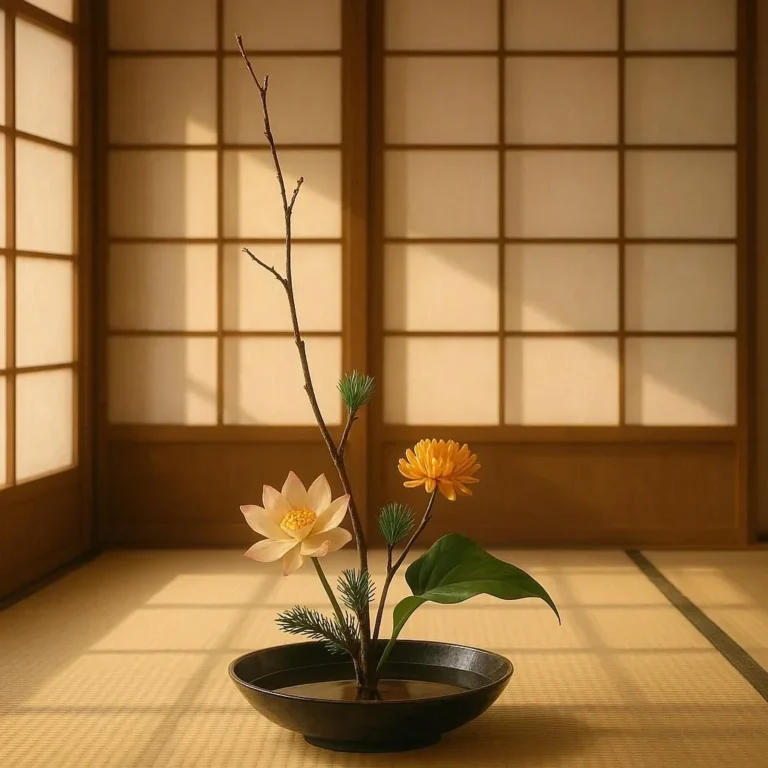
Both Fusuma and Shoji share a minimalist aesthetic, yet they differ in texture, opacity, and function. Fusuma are typically opaque, painted in muted colors or adorned with subtle motifs, and are used to create distinct rooms or to conceal storage areas. Shoji, by contrast, feature a lattice of bamboo or wood frames with translucent paper that allows soft, diffused light to permeate the space. The choice of materials—bamboo, wood, paper—speaks to Japan’s reverence for natural resources and the impermanence of life, a concept known as *wabi-sabi*.
- Fusuma: Opaque, painted, used for privacy and storage.
- Shoji: Translucent, light-filtering, used for ventilation and aesthetic flow.
- Frame: Bamboo or wood, often left unfinished to showcase natural grain.
- Paper: Rice paper or washi, chosen for durability and breathability.
Functional Roles in Japanese Interiors
Beyond their visual appeal, Fusuma and Shoji doors serve practical purposes that align with traditional Japanese values of flexibility and mindfulness. They enable:
- Spatial fluidity: Rooms can be opened or closed to accommodate guests, seasonal changes, or daily routines.
- Light management: Shoji panels diffuse harsh sunlight, creating a calm atmosphere conducive to meditation or tea ceremonies.
- Acoustic control: The paper and bamboo construction dampens sound, fostering quiet contemplation.
- Energy efficiency: The layered construction helps regulate temperature, reducing the need for artificial heating or cooling.
These functions illustrate how Fusuma and Shoji doors embody the Japanese principle of *ma*—the intentional space that gives meaning to objects and actions.
Modern Adaptations and Global Influence
In contemporary architecture, designers worldwide have adopted Fusuma and Shoji concepts to create adaptable, sustainable spaces. Architects such as ArchDaily and institutions like the Japan Architecture Foundation showcase projects that blend traditional sliding panels with modern materials like glass and composite laminates. These adaptations preserve the core idea of flexible, light-filled interiors while meeting modern building codes and performance standards.
Moreover, the minimalist ethos of Fusuma and Shoji has influenced interior design trends in the West, promoting decluttered living spaces, natural light, and a connection to nature. The resurgence of *zen* aesthetics in home décor, yoga studios, and wellness centers underscores the enduring relevance of these traditional doors.
Conclusion: Embrace the Essence of Space
Fusuma and Shoji doors are more than architectural features; they are embodiments of Japanese cultural values—simplicity, adaptability, and reverence for nature. By integrating these principles into modern design, we can create spaces that are not only functional but also spiritually nourishing.
Ready to transform your home with the timeless elegance of Fusuma and Shoji doors? Contact us today to explore custom solutions that honor tradition while embracing innovation.
Frequently Asked Questions
Q1. What are Fusuma and Shoji doors?
Fusuma and Shoji are traditional Japanese sliding panels used to partition spaces. Fusuma are opaque and often painted, while Shoji feature translucent paper that diffuses light. Both are integral to the washitsu, or Japanese-style room, and reflect a minimalist aesthetic.
Q2. How did these doors originate?
Their roots trace back to the Heian period when aristocrats experimented with movable partitions. Fusuma began as carved wooden panels covered with paper, and Shoji evolved as a lighter, translucent alternative. Over centuries, they became essential to Japanese interior design.
Q3. What materials are traditionally used?
Both doors use bamboo or wood frames, with paper made from rice or washi. The choice of natural materials underscores Japan’s reverence for impermanence and the beauty of simplicity. Modern adaptations sometimes use glass or composite laminates.
Q4. What functional benefits do they provide?
They offer spatial fluidity, light management, acoustic control, and energy efficiency. By sliding open or closed, rooms can adapt to guests, seasons, or daily routines. The paper and bamboo construction also dampens sound for quiet contemplation.
Q5. How are Fusuma and Shoji influencing contemporary design?
Architects worldwide incorporate sliding panels to create adaptable, sustainable spaces. The minimalist ethos promotes decluttered living, natural light, and a connection to nature. This trend is evident in wellness centers, yoga studios, and modern homes.