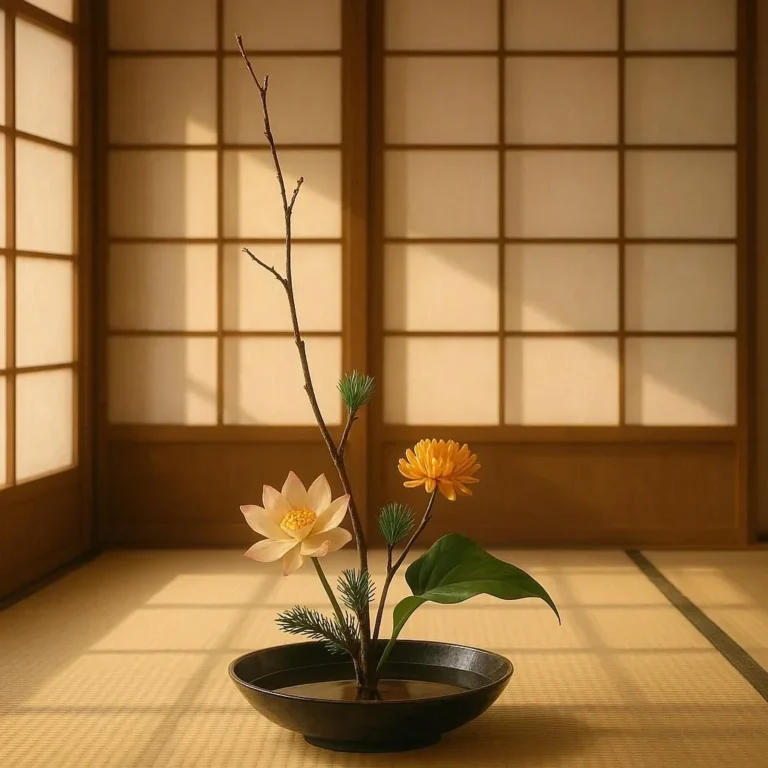
Tatami Flooring Cultural Significance
In Japan, the humble tatami mat is more than just a floor covering; it is a living symbol of tradition, harmony, and the subtle art of living. The term tatami flooring evokes images of serene tea rooms, minimalist bedrooms, and the rhythmic pulse of a culture that values balance and respect for nature. Understanding the cultural significance of tatami flooring offers insight into Japanese aesthetics, social customs, and architectural philosophy, revealing why these mats remain integral to contemporary Japanese homes and why they continue to inspire designers worldwide.
Historical Roots of Tatami Flooring
Originating in the 12th century, tatami mats were initially crafted from straw and woven with a bamboo frame. The earliest records, found in the Tatami Wikipedia entry, show that these mats were used in samurai residences and Buddhist temples, symbolizing a connection between the earthly and the spiritual. Over centuries, the construction evolved: the straw core was replaced by compressed rice straw, and the covering shifted from woven straw to woven rush grass (sasa). This evolution reflects Japan’s broader shift toward refined craftsmanship and a deeper appreciation for natural materials.
Architectural Harmony and Spatial Design
In traditional Japanese architecture, tatami flooring is not merely decorative; it dictates the layout and function of a space. Rooms are measured in “mat units” (shaku), and furniture placement follows strict guidelines to maintain balance. For example, a typical tea room (chashitsu) uses tatami to create a sense of intimacy and focus, guiding guests toward the tea ceremony’s center. The mat’s dimensions—approximately 0.9 m by 1.8 m—allow for flexible arrangements, enabling rooms to transform from living areas to sleeping quarters with the simple addition of futons.
Moreover, tatami’s natural fibers absorb moisture and regulate temperature, making them ideal for Japan’s humid climate. The mats’ breathable quality keeps interiors cool in summer and warm in winter, embodying the Japanese principle of “wa” (harmony) between human-made structures and the environment.
Symbolism and Social Etiquette
Beyond architecture, tatami flooring carries profound symbolic weight. The mat’s smooth surface represents purity, while its woven pattern reflects the interconnectedness of community. In many households, the first floor is reserved for guests, and the floor is kept spotless to honor visitors—a practice rooted in the concept of “omotenashi” (hospitality).
Social etiquette around tatami is meticulous. Shoes are removed before stepping onto the mat, and slippers are worn to protect the floor’s delicate fibers. This ritual underscores respect for both the space and the people who share it. In modern times, these customs persist in many Japanese homes, schools, and even corporate offices, reinforcing a collective identity that values mindfulness and order.
Modern Adaptations and Global Influence
While tatami flooring remains a staple in traditional Japanese homes, contemporary designers have reimagined its application. Architects now incorporate tatami-inspired panels in minimalist lofts, hotels, and wellness centers worldwide. The mats’ natural aesthetic aligns with the global trend toward sustainable, eco-friendly interiors.
In the United States, the National Geographic has highlighted tatami’s role in promoting mindfulness and reducing stress. Meanwhile, the Japanese Architecture Foundation showcases modern projects that blend tatami with glass and steel, illustrating how traditional materials can coexist with cutting-edge design.
Choosing the Right Tatami for Your Space
When selecting tatami flooring, consider the following factors:
- Material Quality: Premium mats use compressed rice straw and high‑grade rush grass, offering durability and a refined texture.
- Thickness: Standard mats are 3–4 cm thick, but thicker options provide extra cushioning for bedrooms.
- Finish: Natural rush grass offers a subtle sheen, while dyed mats can add color to modern interiors.
- Maintenance: Regular vacuuming and occasional oiling preserve the mat’s integrity and extend its lifespan.
Professional installation is recommended to ensure proper alignment and to maintain the mat’s structural integrity. Many Japanese flooring specialists offer consultation services, guiding homeowners through the selection process based on room size, usage, and aesthetic preferences.
Conclusion: Embrace the Essence of Tatami Flooring
From its medieval origins to its contemporary reinterpretations, tatami flooring remains a cornerstone of Japanese cultural identity. Its influence extends beyond the physical floor, shaping social rituals, architectural principles, and global design trends. By incorporating tatami into your living space, you invite a centuries‑old tradition of harmony, mindfulness, and sustainable living into your daily routine.