Samurai Religious Practices Unveiled
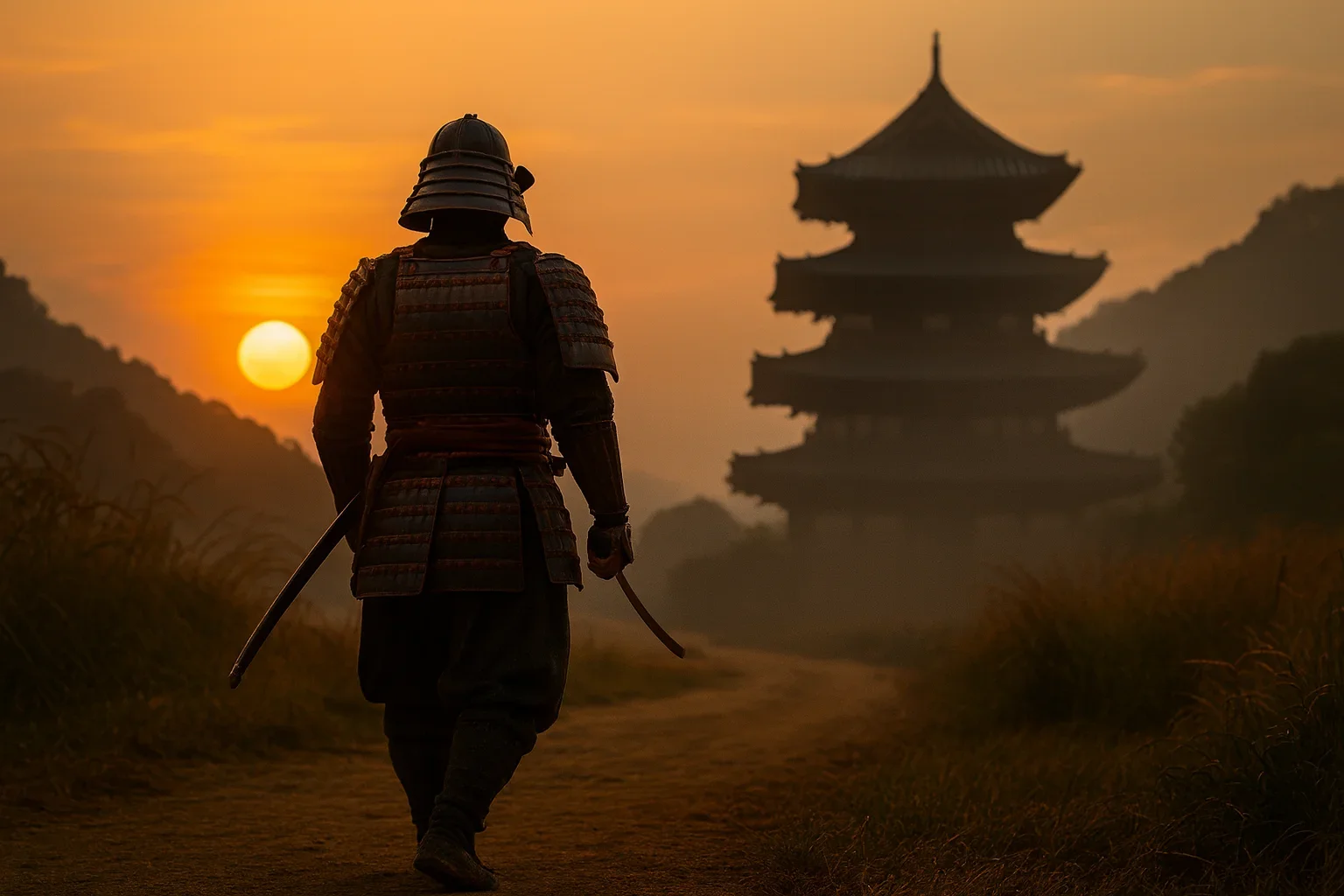
When most people think of the samurai, images of disciplined warriors, intricate armor, and the austere philosophy of Zen come to mind. Yet the spiritual life of these iconic figures was far richer and more diverse. The term Samurai Religious Practices encompasses a tapestry of Shinto rituals, Buddhist traditions beyond Zen, Confucian ethical teachings, and state-sponsored temple patronage that together shaped the samurai ethos. Understanding this multifaceted spiritual landscape reveals how the samurai navigated duty, honor, and personal growth in a society where religion and governance were deeply intertwined.
Shinto Influences in Samurai Rituals
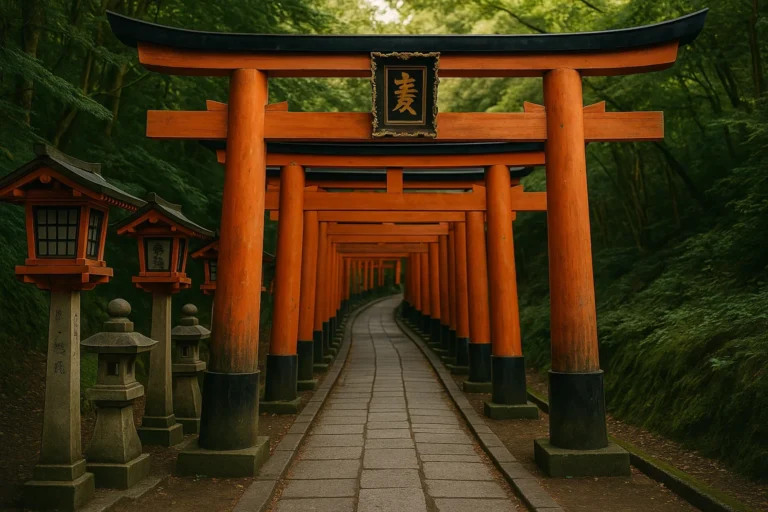
Shinto, Japan’s indigenous faith, provided the foundational worldview for many samurai. The belief in kami—spirits residing in natural objects and ancestors—instilled a reverence for the land and lineage that resonated with the samurai’s sense of duty. Before battle, a samurai would perform a simple yet profound purification ritual: washing hands and mouth, offering a handful of rice to the kami, and reciting a short prayer. These acts were not merely ceremonial; they were a psychological preparation that reinforced the warrior’s connection to the divine and to his clan’s ancestral spirits.
Shinto shrines served as communal centers where samurai could seek guidance, celebrate victories, and mourn losses. The most famous example is the Ise Grand Shrine, dedicated to the sun goddess Amaterasu, whose mythic lineage claims descent from the imperial family. Samurai families often traced their ancestry back to the imperial line, and pilgrimages to Ise were seen as a way to honor that divine heritage. The shrine’s rituals, such as the annual “Shikinen Sengū” renewal, were occasions for samurai to reaffirm their loyalty to both the emperor and the kami.
Buddhist Schools Beyond Zen
While Zen Buddhism is frequently associated with the samurai, other Buddhist traditions also played significant roles. The Pure Land school, for instance, offered a path to salvation through faith in Amida Buddha, appealing to samurai who sought spiritual security beyond the battlefield. The Tendai and Shingon schools, with their esoteric practices and complex cosmology, attracted samurai who were drawn to the intellectual rigor and mystical symbolism of these sects.
Monastic institutions such as the Enryaku-ji on Mount Hiei were centers of learning where samurai studied sutras, engaged in meditation, and practiced martial arts. The monks of Enryaku-ji were known for their disciplined training, and many samurai adopted their rigorous schedules to cultivate mental clarity and physical endurance. This cross-pollination of martial and monastic disciplines helped forge a unique samurai identity that blended spiritual devotion with battlefield prowess.
Confucian Ethics and Samurai Spirituality
Confucianism, introduced to Japan through China, provided a moral framework that complemented the samurai’s martial ethos. The Confucian virtues of filial piety, loyalty, righteousness, and propriety were woven into the samurai code of conduct, known as Bushido. Confucian teachings emphasized the importance of harmonious social relationships and the moral responsibility of leaders, which resonated with the samurai’s role as protectors of their domains.
Samurai often studied Confucian classics such as the Analects and the Doctrine of the Mean to refine their ethical judgment. These texts offered guidance on how to balance personal ambition with communal duty, a tension that was central to the samurai’s daily life. By integrating Confucian principles, samurai cultivated a sense of moral duty that extended beyond the battlefield to governance, education, and family life.
Shogunate Patronage of Religious Institutions
The Tokugawa shogunate, which ruled Japan from 1603 to 1868, actively promoted religious institutions as a means of social control and cultural cohesion. The shogunate established the Shogunate Temple System, which funded temples and shrines across the country. This patronage ensured that religious leaders remained loyal to the state, while also providing samurai with spiritual resources that reinforced their loyalty to the shogun.
One notable example is the construction of the Hōryū-ji temple in Nara, which became a symbol of national unity. Samurai were encouraged to visit such temples, where they could participate in communal prayers, receive blessings, and engage in rituals that reinforced the social hierarchy. The shogunate’s support of religious institutions also facilitated the spread of Buddhist and Shinto teachings, ensuring that samurai had access to a wide range of spiritual practices.
Conclusion: A Multifaceted Spiritual Legacy
The spiritual life of the samurai was a complex interplay of Shinto reverence, Buddhist devotion, Confucian ethics, and state-sponsored religious patronage. By embracing a diverse array of religious practices, samurai cultivated a holistic worldview that guided their conduct on and off the battlefield. This rich spiritual tapestry not only shaped the samurai’s personal identity but also contributed to the broader cultural and political fabric of feudal Japan.
Understanding these practices offers valuable insights into how the samurai balanced duty, honor, and faith. Whether you’re a history enthusiast, a martial arts practitioner, or simply curious about Japan’s cultural heritage, exploring the depth of Samurai Religious Practices can deepen your appreciation for this iconic warrior class.
Ready to dive deeper into Japan’s spiritual history? Explore more on Shinto, Zen, and Confucianism through these authoritative resources:
- Shinto – Wikipedia
- Buddhism – Wikipedia
- Bushido – Britannica
- Japanese Shogunate – Japan Guide
- Japanese Ministry of Culture – Official Site
Embark on your own journey of discovery and let the legacy of the samurai inspire your quest for knowledge and personal growth.
Frequently Asked Questions
Q1. What were the main religious influences on samurai?
Samurai drew from a blend of Shinto, various Buddhist traditions (Zen, Pure Land, Tendai, Shingon), Confucian ethics, and state-sponsored temple patronage. Each tradition offered different spiritual tools—purification rituals, meditation practices, moral codes, and communal support—that shaped the warrior’s worldview. Together they formed a holistic spiritual framework that guided samurai in both personal conduct and battlefield strategy.
Q2. How did Shinto rituals prepare samurai for battle?
Before combat, samurai performed purification by washing hands and mouth, offering rice to kami, and reciting prayers. These acts were more than ceremony; they served as mental conditioning, reinforcing a sense of divine protection and clan loyalty. The rituals helped calm nerves, focus intent, and align the warrior’s actions with ancestral and natural spirits.
Q3. Why did samurai study Buddhist schools beyond Zen?
While Zen emphasized direct experience, other schools provided complementary paths. Pure Land offered hope of salvation through faith in Amida Buddha, appealing to those seeking spiritual security. Tendai and Shingon’s esoteric practices attracted samurai interested in complex cosmology and intellectual depth, and monastic training at places like Enryaku-ji honed discipline and meditation skills.
Q4. What role did Confucian ethics play in Bushido?
Confucian virtues—filial piety, loyalty, righteousness, propriety—were woven into Bushido’s moral code. Samurai studied classics such as the Analects to refine judgment and balance personal ambition with communal duty. This ethical framework guided them in governance, education, and family life, extending their responsibilities beyond the battlefield.
Q5. How did the Tokugawa shogunate use religious patronage?
The shogunate established the Shogunate Temple System, funding temples and shrines to ensure loyalty and social cohesion. By supporting sites like Hōryū-ji, the state reinforced the hierarchy and provided samurai with spiritual resources that aligned with loyalty to the shogun. This patronage also facilitated the spread of Buddhist and Shinto teachings across Japan.