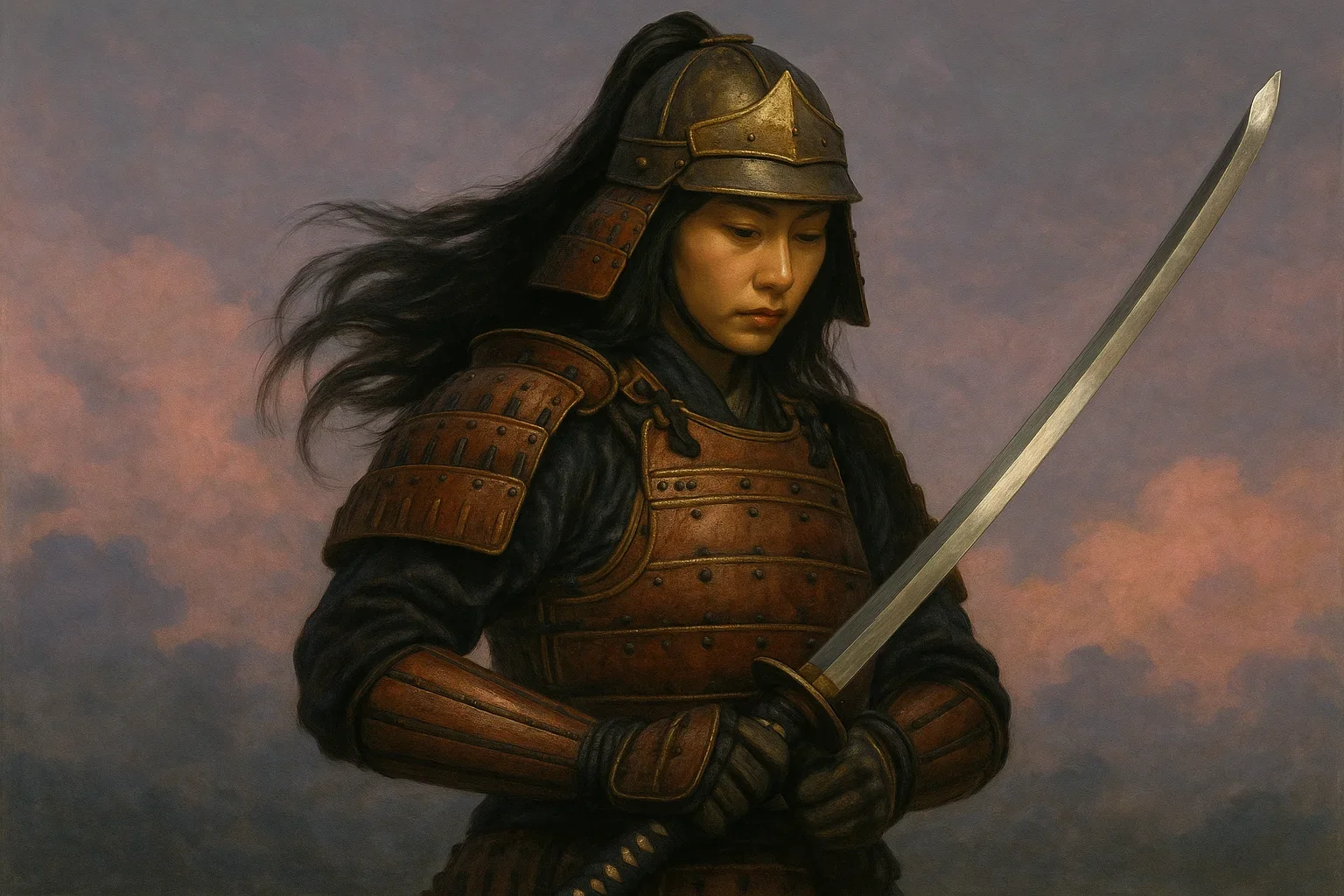
Samurai Swordsmith Legacy Unveiled
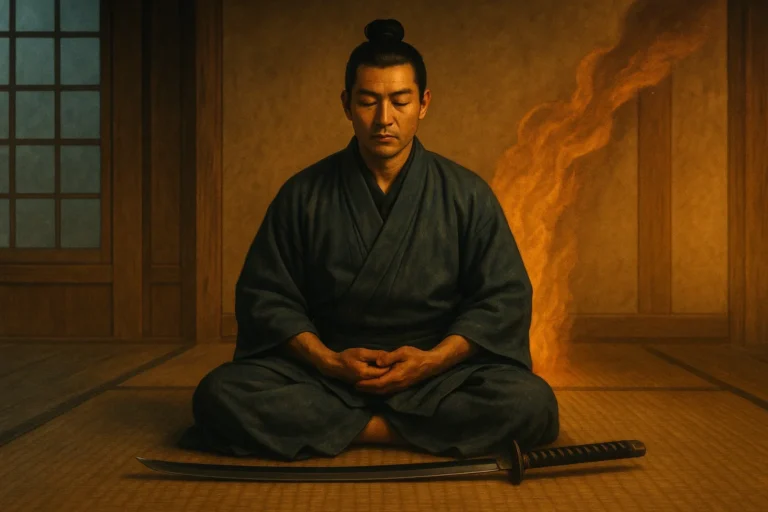
The art of the Samurai Swordsmith is more than a craft; it is a living testament to Japan’s cultural resilience and technical mastery. From the smoky furnaces of Seki to the meticulous folding of steel, these artisans forged blades that became symbols of honor, power, and spiritual devotion. Understanding their legacy offers insight into the intersection of metallurgy, philosophy, and history that shaped the samurai ethos. In this exploration, we trace the evolution of swordsmithing, highlight the techniques that set these masters apart, and examine how their work continues to inspire modern artisans and historians alike.
Samurai Swordsmith Techniques: The Foundations of Excellence
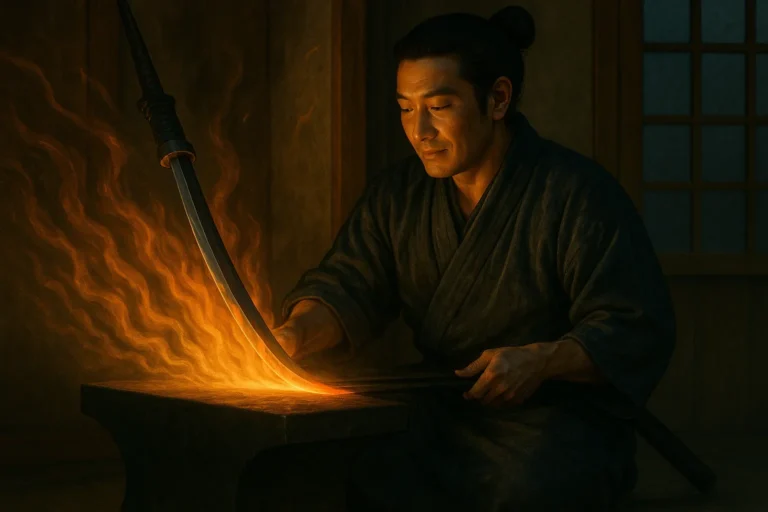
At the heart of every legendary blade lies a series of deliberate, almost ritualistic steps. The Samurai Swordsmith began with the selection of high‑carbon steel, often sourced from the iron-rich ore of the Japanese archipelago. The steel was then subjected to a process called tamahagane forging, where it was repeatedly heated, hammered, and folded to eliminate impurities and create a uniform grain structure. This meticulous folding—sometimes up to 100 times—was not merely for strength; it also produced the distinctive pattern known as hada, a visual testament to the smith’s skill.
Following the folding, the smith would employ a technique called tamahagane tempering, where the blade was heated to a precise temperature and then quenched in water or oil. This step determined the blade’s hardness and flexibility, balancing the need for a razor‑sharp edge with the resilience required for battlefield use. The final polish, often performed with a series of progressively finer abrasives, revealed the blade’s true character, allowing the sword to reflect light in a way that symbolized the samurai’s inner spirit.
Samurai Swordsmith Legacy in Historical Context
During the Kamakura period (1185–1333), the rise of the samurai class created a demand for reliable, high‑quality blades. Swordsmiths such as Masamune and Muramasa became household names, their works celebrated for both aesthetic beauty and battlefield effectiveness. The Katana emerged as the iconic samurai blade, its curved shape designed for swift, decisive cuts. The cultural significance of these swords extended beyond warfare; they were often passed down as family heirlooms, embodying the virtues of loyalty, courage, and honor.
In the Edo period (1603–1868), the relative peace led to a shift in swordsmithing focus. While the need for battlefield blades diminished, the art of swordmaking evolved into a refined craft, emphasizing beauty and symbolism. The swords of this era, such as the Japanese sword, were often used in ceremonial contexts, and their production involved intricate decorative techniques like tamahagane inlay and sharpening that showcased the smith’s mastery.
Samurai Swordsmith Influence on Modern Metallurgy
Today, the principles pioneered by Samurai Swordsmiths continue to inform contemporary steel production and forging techniques. Modern metallurgists study the folding and tempering methods to develop high‑strength, lightweight alloys used in aerospace, automotive, and sporting equipment. The concept of layered metallurgy—creating a composite material with varying properties across its structure—has roots in the ancient practice of folding steel to achieve both hardness and flexibility.
Moreover, the aesthetic principles of blade design have influenced modern design philosophies. The emphasis on harmony, balance, and functional beauty resonates in fields ranging from architecture to product design. By studying the meticulous craftsmanship of Samurai Swordsmiths, designers gain a deeper appreciation for how form and function can coexist seamlessly.
Samurai Swordsmith Mastery: A List of Key Techniques
- High‑carbon steel selection and purification
- Repeated folding (tamahagane) to eliminate impurities
- Precision tempering for optimal hardness and flexibility
- Polishing and honing to reveal the blade’s natural pattern
- Decorative inlay and engraving for ceremonial swords
Preserving the Legacy: Museums and Educational Resources
Institutions such as the National Museum of Japanese History and the Japanese Museum of Art house extensive collections of Samurai swords, offering scholars and enthusiasts a tangible connection to the past. These museums provide detailed documentation on forging techniques, historical context, and the cultural significance of each blade.
Academic programs at universities like the University of Tokyo also offer courses on traditional Japanese metallurgy, ensuring that the knowledge of Samurai Swordsmiths is passed on to future generations. Online resources, including peer‑reviewed journals and digital archives, further democratize access to this rich heritage.
Conclusion: Embrace the Samurai Swordsmith Spirit
From the smoky furnaces of Seki to the polished halls of modern museums, the legacy of Samurai Swordsmiths endures as a beacon of craftsmanship, discipline, and artistic vision. Their meticulous techniques, rooted in centuries of tradition, continue to inspire contemporary artisans, engineers, and designers worldwide. By studying their work, we not only honor a pivotal chapter in Japanese history but also gain insights that can elevate our own creative and technical pursuits.
Discover the enduring legacy of Samurai Swordsmiths—subscribe now to explore more about the art, history, and science behind these legendary blades.