Traditional Networks Yakuza Inspiration
Traditional networks, the intricate webs of relationships that bind communities, businesses, and societies, have long drawn inspiration from diverse cultural models. One of the most compelling yet often misunderstood sources is the Yakuza brotherhood system, a structured hierarchy rooted in loyalty, mutual support, and collective resilience. By examining how these elements translate into modern organizational frameworks, we can uncover strategies for building robust, adaptive networks that thrive in an increasingly complex world.
Understanding the Yakuza Brotherhood Structure
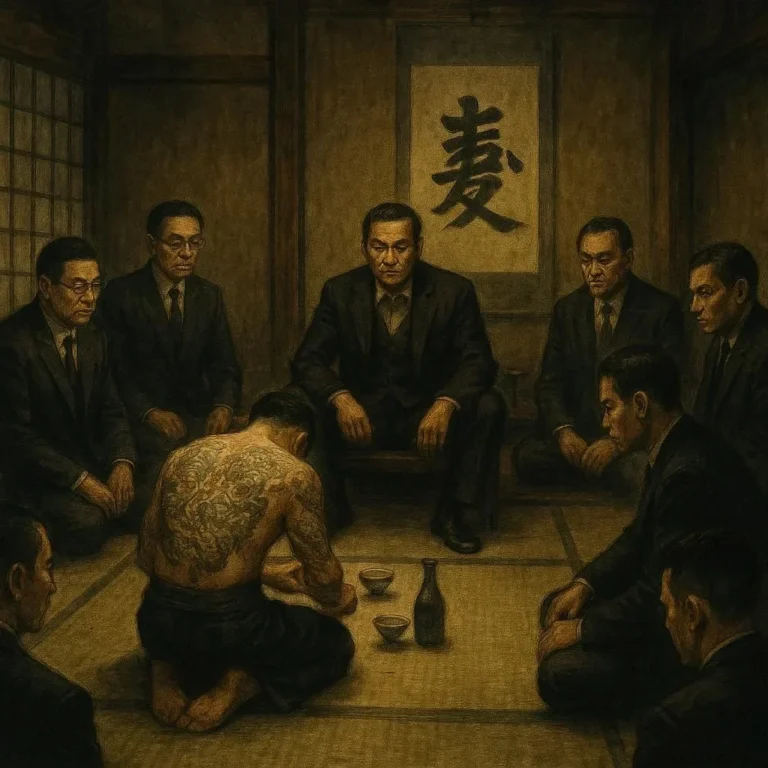
The Yakuza, Japan’s organized crime syndicates, operate under a rigid yet flexible hierarchy that mirrors many traditional social networks. At the apex sits the oyabun (boss), who provides guidance, resources, and protection. Beneath him, the wakagashira (underboss) manages day‑to‑day operations, while the shatei (junior members) execute tasks and uphold the group’s reputation. This tiered system fosters a sense of belonging and accountability, ensuring that each member’s actions align with the collective goal.
Key to this structure is the concept of giri (duty) and ninjo (humanity), which balance obligation with empathy. Members are expected to reciprocate favors, share information, and protect one another, creating a network that is both resilient and self‑sustaining. These principles are not limited to criminal enterprises; they echo in traditional guilds, family businesses, and even modern tech startups.
Translating Brotherhood Principles to Modern Networks
When organizations adopt Yakuza-inspired frameworks, they often focus on three core aspects: loyalty, hierarchy, and information flow. Below is a concise list of how each principle can be operationalized in contemporary settings:
- Loyalty – Establish clear value propositions and recognition programs that reward long‑term commitment.
- Hierarchy – Implement a tiered decision‑making process that empowers lower levels while maintaining strategic oversight.
- Information Flow – Create transparent channels for knowledge sharing, ensuring that critical data reaches all relevant stakeholders.
These elements collectively enhance network resilience, allowing organizations to adapt swiftly to disruptions while preserving core identity.
Case Study: Tech Startups Embracing Yakuza‑Style Cohesion
Consider the rise of several Silicon Valley startups that have adopted a “family‑like” culture. By assigning mentors (analogous to the oyabun) to new hires and fostering cross‑functional teams (mirroring the shatei), these companies cultivate deep interpersonal bonds. The result is a workforce that is highly motivated, collaborative, and capable of navigating rapid market shifts.
Research from the Social Network theory suggests that such tightly knit groups exhibit higher levels of trust and information diffusion, which are critical for innovation. Moreover, the hierarchical clarity reduces ambiguity, enabling faster decision cycles.
Challenges and Ethical Considerations
While the Yakuza model offers valuable insights, it also raises ethical concerns. The emphasis on loyalty can sometimes suppress dissent, leading to groupthink. Additionally, the hierarchical nature may stifle creativity if not balanced with empowerment.
Organizations must therefore adapt these principles thoughtfully, ensuring that loyalty is built on mutual respect rather than coercion. Transparent governance, inclusive policies, and continuous feedback loops can mitigate potential downsides.
Integrating Cultural Influence into Organizational Design
Culture shapes how networks function. By consciously integrating cultural influences—such as the Japanese emphasis on harmony (wa) and collective responsibility—companies can create environments where collaboration flourishes. This cultural lens also informs leadership styles, conflict resolution mechanisms, and performance metrics.
For instance, adopting a “kaizen” (continuous improvement) mindset, rooted in Japanese business culture, encourages incremental changes that reinforce network resilience. Leaders who model humility and accountability inspire similar behaviors across the organization.
Conclusion: Building Resilient Networks Through Inspired Design
Traditional networks inspired by Yakuza brotherhood systems demonstrate that structured hierarchy, unwavering loyalty, and efficient information flow can coexist to form resilient, adaptive organizations. By thoughtfully integrating these principles—while respecting ethical boundaries—businesses can cultivate cultures that thrive amid uncertainty.
Ready to transform your organization? Start today by mapping your network’s hierarchy, reinforcing loyalty through recognition, and streamlining information channels. Embrace the wisdom of traditional brotherhoods and build a network that stands the test of time.
For more insights on organizational structure and network resilience, visit the Organizational Structure page and explore academic resources on social networks.
Frequently Asked Questions
Q1. What is the Yakuza brotherhood structure?
The Yakuza hierarchy is a tiered system featuring the oyabun (boss) at the top, followed by the wakagashira (underboss) and shatei (junior members). Each level has defined roles, responsibilities, and a clear chain of command. This structure fosters accountability and a strong sense of belonging among members.
Q2. How can loyalty from Yakuza inspire modern networks?
Loyalty in Yakuza culture is built on mutual support and recognition. Modern organizations can emulate this by creating value propositions that reward long‑term commitment and by establishing mentorship programs that reinforce trust. Such practices strengthen employee engagement and reduce turnover.
Q3. What are the risks of adopting Yakuza-inspired hierarchy?
While a clear hierarchy can improve decision speed, it may also suppress dissent and stifle creativity if not balanced with empowerment. Groupthink can arise when loyalty overrides critical thinking. Organizations must implement transparent governance and feedback loops to mitigate these risks.
Q4. How does information flow work in the Yakuza model?
Information flows through formal channels from the oyabun down to the shatei, ensuring that critical data reaches all levels. This transparency supports rapid response to threats and opportunities. In modern settings, similar channels can be created via cross‑functional teams and knowledge‑sharing platforms.
Q5. Can Yakuza principles be applied to tech startups?
Yes, many tech startups adopt a “family‑like” culture, assigning mentors and fostering tight-knit teams. This approach boosts motivation, collaboration, and adaptability—key traits for navigating fast‑moving markets. However, startups must balance hierarchy with flexibility to maintain innovation.