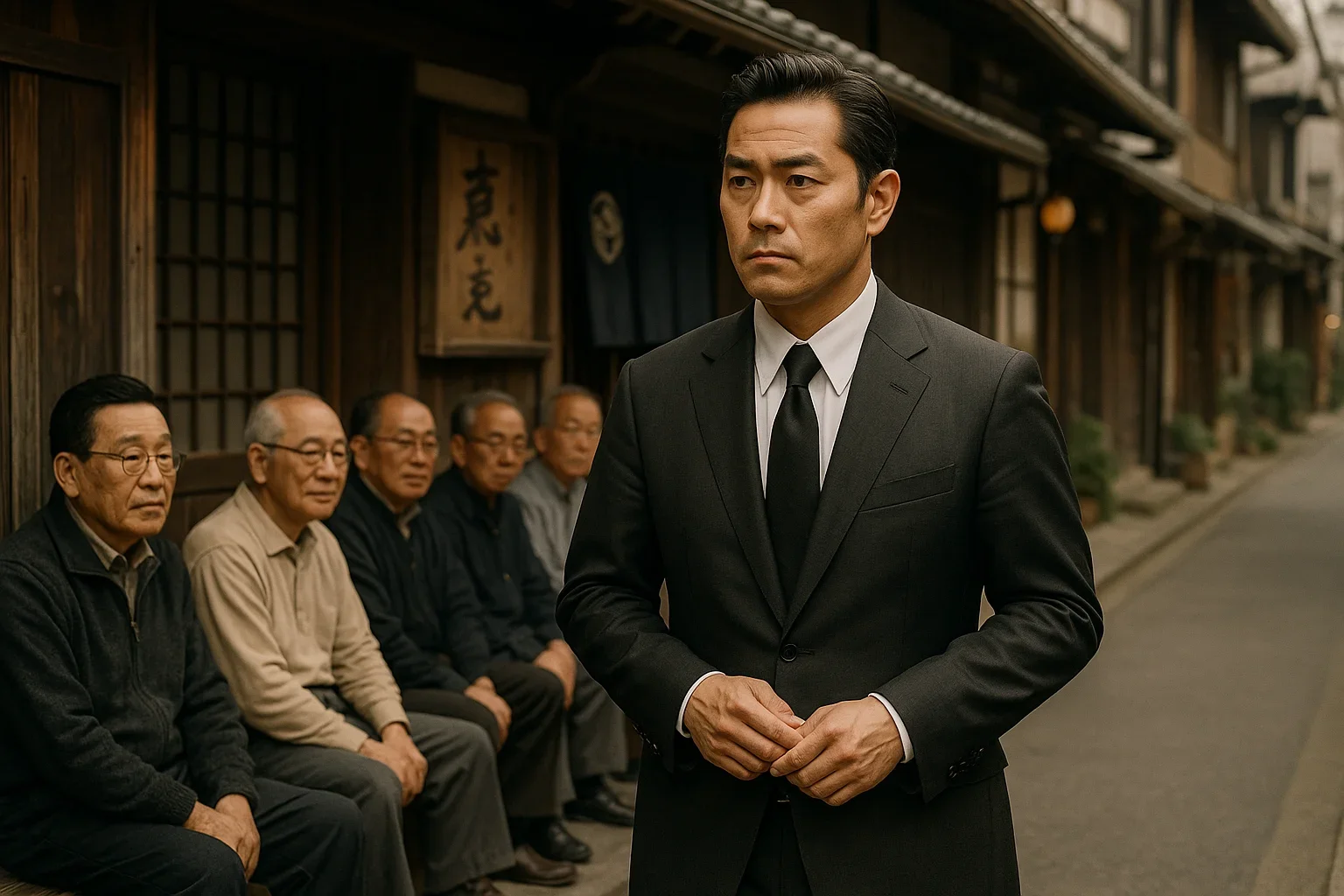
Corporate Conflict Yakuza Settlements
The blurred lines between legitimate enterprise and underworld operations in post-war Japan created an environment where businesses occasionally turned to unconventional intermediaries. When corporate disputes stalled negotiations or threatened violence, some Japanese firms sought resolution through organizations with both the influence and enforcement capabilities to impose settlements. This complex historical intersection reveals how Yakuza syndicates operated as controversial mediators during Japan’s rapid economic expansion.
Understanding Yakuza Channels in Historical Context
Following World War II, Japan’s reconstruction period witnessed the Yakuza’s strategic embedding within economic infrastructures. As outlined in a 2020 National Police Agency retrospective report, syndicates filled governance voids during this era, particularly in industries like construction, maritime logistics, and entertainment. Business disputes resolved through Yakuza channels often involved debt collection disputes, territory conflicts between competing firms, or labor-management standoffs. Historical academic research highlights period-specific factors enabling this dynamic, including corporate managers’ wartime underworld connections and underdeveloped legal mediation frameworks prior to Japan’s 1992 Anti-Bribery Law enactment.
Mechanisms of Yakuza Mediation Tactics
The settlement process through underworld channels followed distinct patterns observed by criminologists studying organized crime methodologies. Unlike court-mediated resolutions, Yakuza intermediaries emphasized speed and finality through a combination of psychological pressure and implied threat. Common approaches included:
- Assignment of a specific mediator (chusha) with established credibility among involved parties
- Third-party guarantees binding parties to settlement terms
- Ritualized agreements often involving signed documents stamped with syndicate insignias
- Enforcement protocols including monitoring compliance through subordinate members
These practices represented an alternative justice system operating parallel to formal legal structures throughout Japan’s high-growth era.
Historical Cases of Corporate Conflicts Resolved
Documented instances of Yakuza-mediated settlements include Tokyo’s 1964 waterfront development disputes, when multiple construction firms clashed over lucrative Olympic infrastructure contracts. According to historical analyses published in the Asian Criminology Journal, Yamaguchi-gumi mediators enforced contract allocations to prevent project delays. Similarly, Osaka textile manufacturers utilized syndicate channels.