Samurai
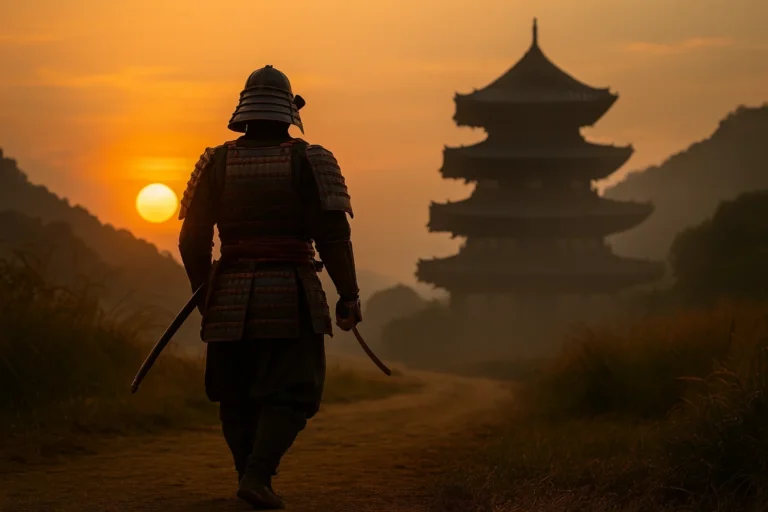
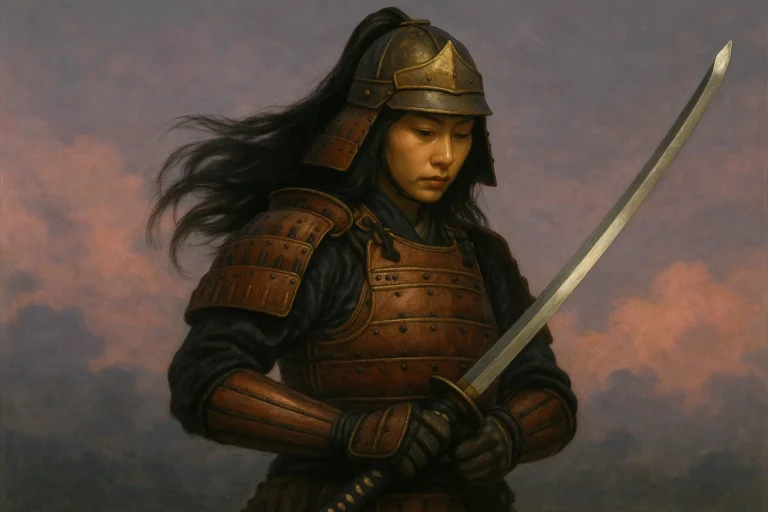
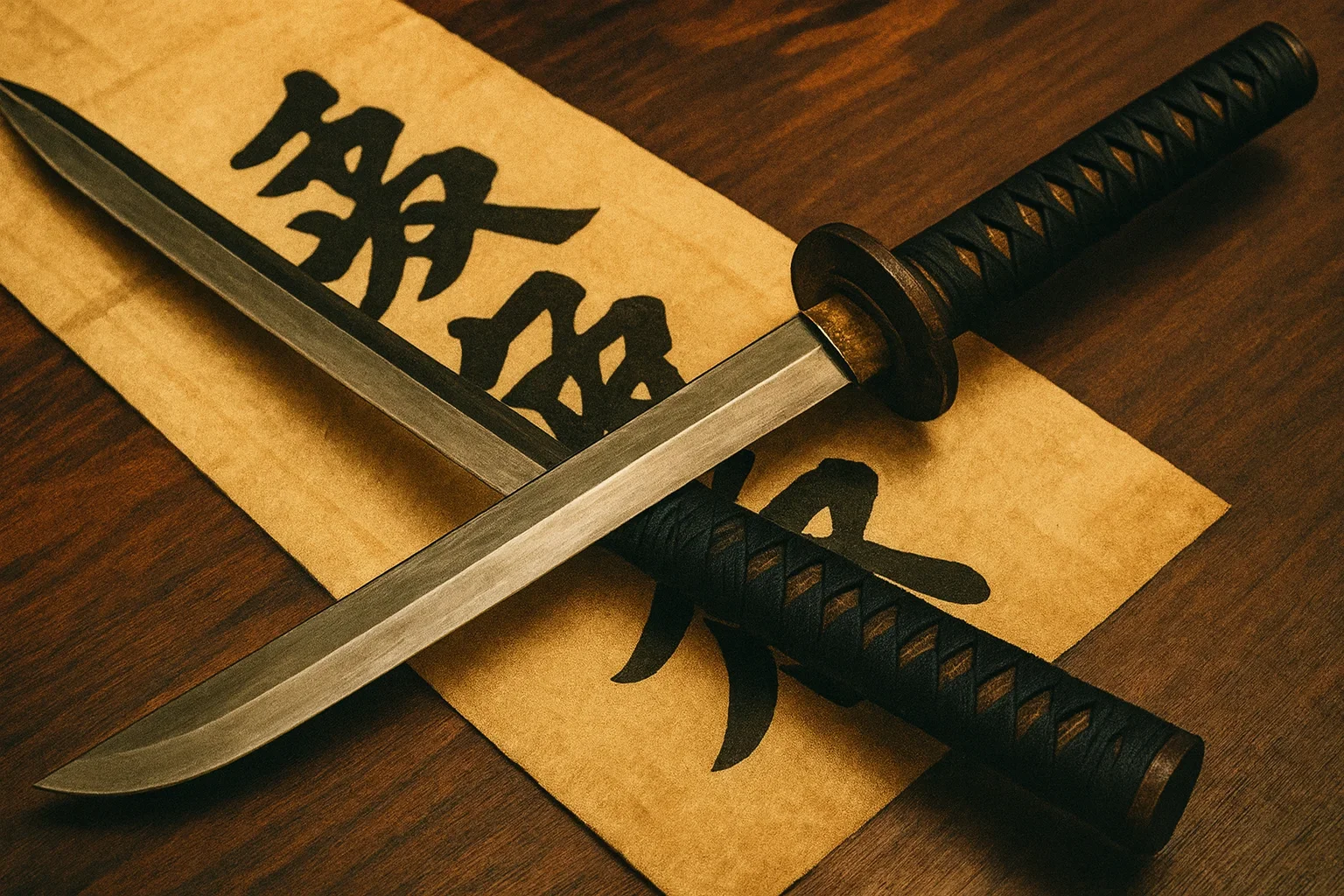
While samurai swordsmanship continues to captivate modern imaginations through films and martial arts dojos, the full spectrum of combat disciplines mastered by Japan’s warrior caste remains largely overlooked. These elite warriors trained rigorously in battlefield-tested martial systems that extended far beyond katana techniques, developing lethal skills tailored to feudal warfare environments where adaptability determined survival. Historical records reveal at least eighteen distinct combat arts—collectively called koryū bujutsu—that formed the complete martial education of samurai during the Tokugawa era.
The Renaissance of Samurai Combat Training
During Japan’s Sengoku period (1467-1615), constant warfare necessitated mastery of diverse combat methods. Unlike today’s specialized martial arts studios, samurai trained in integrated systems encompassing grappling, polearms, horsemanship, and tactical sciences. The Metropolitan Museum of Art notes that proficiency in multiple weapons was mandatory for battlefield survival. This holistic approach birthed sophisticated fighting styles like Takenouchi-ryū, founded in 1532—one of Japan’s oldest documented systems incorporating sword, staff, and dagger disarms alongside battlefield medicine techniques.
Sojutsu: Forgotten Spear Combat
Long overshadowed by sword-centric narratives, spear techniques (sojutsu) dominated samurai warfare for centuries. The yari spear’s reach advantage proved crucial against cavalry, with schools like Hōzōin-ryū developing sophisticated spinning thrusts and parries. Contrary to popular belief, samurai inventories reveal spears comprised up to 60% of battlefield weapons during the Nanboku-chō period according to archival research. Mounted troops wielded specialized kikuchi-yari variants featuring crossbars to unseat opponents, while infantry deployed massed spear formations that predated European pike tactics by three centuries.
Kusarigamajutsu: Chain and Sickle Tactics
Perhaps the most ingenious forgotten art, kusarigamajutsu combined a weighted chain with modified sickle blades originating from farming tools. Practitioners like fifteenth-century master Ikai Hōshi developed techniques to entangle opponents’ weapons and limbs before delivering incapacitating strikes—an early precursor to modern hobbling tactics. Contemporary chronicle Bugei Ryuha Daijiten documents over twenty distinct schools teaching chain combat nuances, including specialized methods for confined spaces where swords proved impractical. The Art Research Center at Ritsumeikan University preserves scrolls demonstrating joint locks using the chain‚Äôs counterweight.
Bajutsu: Mounted Archery Excellence
Mounted archery (yabusame) receives ceremonial attention today, but few recognize its evolution from functional battlefield archery discipline. Samurai practiced bajutsu—integrated cavalry combat—firing arrows backward while retreating (hiyappō) and executing complex saddle acrobatics to avoid projectiles. Tenth-century imperial decree mandated that warriors train with swordsmanship weighted 40%, archery 40%, and horsemanship 20% of training time. The Samurai Archives project confirms surviving transcripts from Ogasawara-ryū depict triangular cavalry formations optimized for column penetration—techniques later studied by European tacticians during the Renaissance.