Samurai Calligraphy Arts Legacy
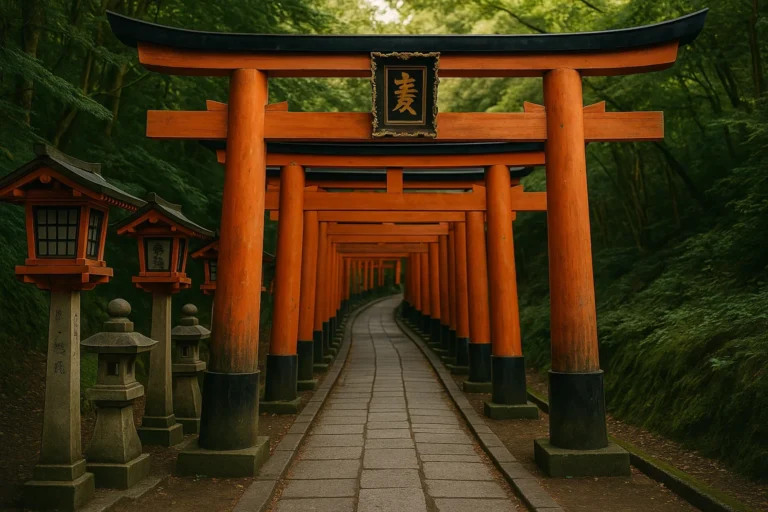
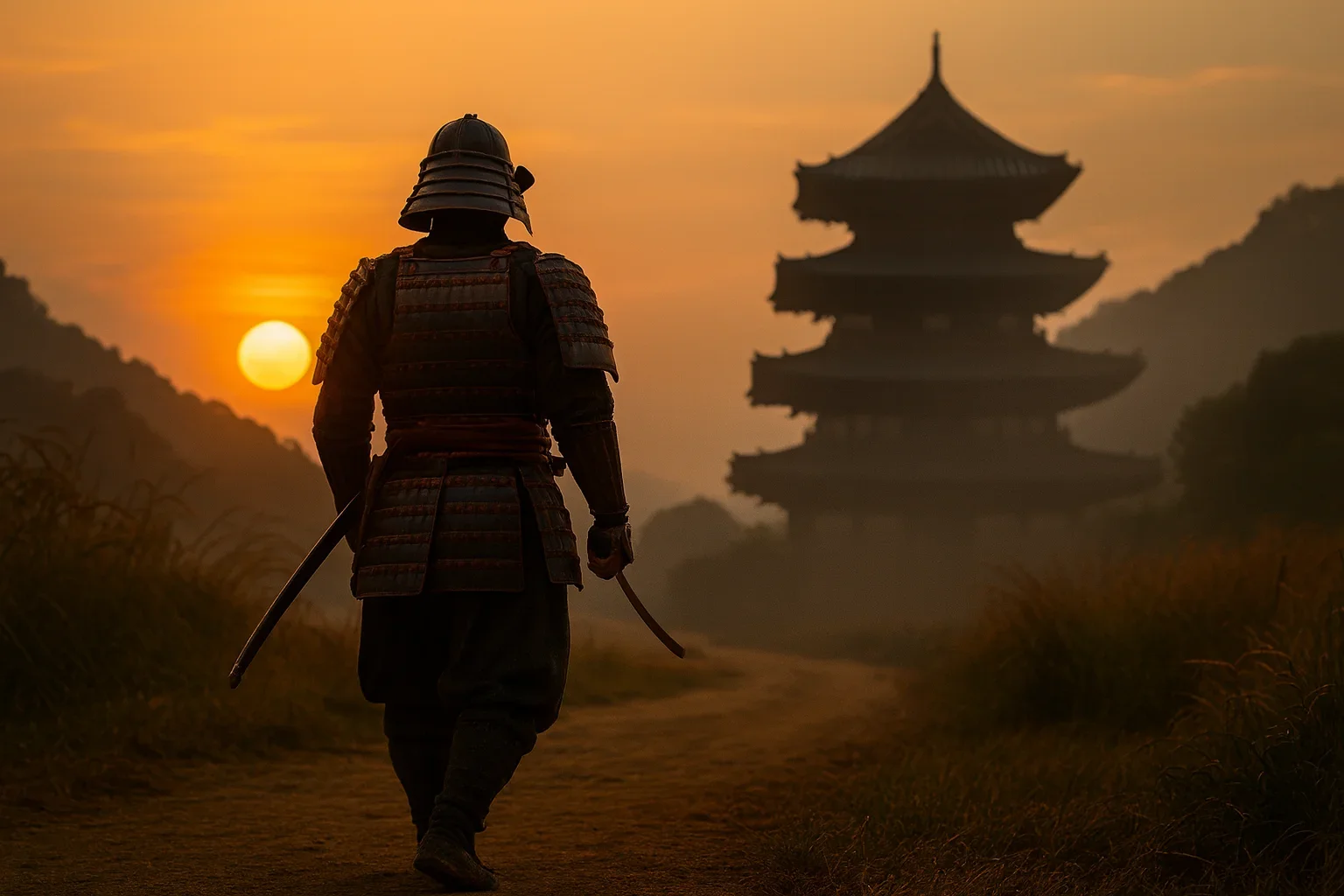
Amidst the clang of swords and the tumult of feudal Japan, an unexpected art form flourished in the hands of warriors—samurai calligraphy. Far more than decorative script, this practice represented a vital spiritual discipline intertwined with combat training, serving as a conduit for Zen principles and warrior ethos. Samurai calligraphy demanded the same unwavering focus required in battle, transforming ink into a medium for expressing emotional depth and philosophical insight while binding together aesthetic sensitivity and martial duty. Historical records from institutions like Tokyo National Museum reveal that prominent warriors like Takuan Sōhō and Miyamoto Musashi seamlessly integrated ink mastery with swordsmanship, demonstrating how brushstrokes became extensions of their warrior spirit.
Origins of Samurai Calligraphy Tradition
The integration of calligraphy into samurai culture began during the Kamakura period (1185–1333), coinciding with Zen Buddhism’s formal adoption by warrior classes. As bushido codes emphasizing character refinement solidified, writing transformed from practical administrativetechnique to meditative art. Warrior-monks at temples like Kyoto’s Daitoku-ji taught that disciplined brushwork nurtured mental clarity essential for combat, training initiates through repetitive kana script exercises. This was not aristocratic dilettantism—the Tokugawa Art Museum archives show military leaders mandated calligraphy proficiency alongside archery, viewing composed characters as visible proof of psychological mastery.
Zen Buddhism and Calligraphy Discipline
Samurai calligraphy embodied Zen principles through its emphasis on mushin (no-mind) ense4—spontaneous creation without hesitation. Zen masters instructed warriors that fluid, uninhibited brush movements mirrored states achievable through meditation and sword practice. The minimalism of characters conveyed spiritual concepts; Masutani Fumio asserts in Zen Studies that single-stroke enlightenment poems symbolized the samurai’s readiness to face death fearlessly. Harvard University’s Zen Buddhist collections document devotional scrolls commissioned by Edo-period warriors displaying phrases like “ichigeki hissatsu” (one strike, certain kill), where calligraphic intensity visualized combative spirit.
Warrior Calligraphy Techniques Revealed
Beyond philosophical connections, samurai calligraphy employed physical techniques transferring martial precision to paper: Daiwa Foundation studies show warriors absorbed practices like fudegokoro (sensitivity and calmness). Essential elements included:
- Strike Dynamics: Downward strokes replicated sword cuts, employing shoulder rotation derived from iaijutsu draws.
- Ink Control: Gradual ink loading mimicked bow tension, releasing pigmented flows corresponding to strategic pressure.
- Spatial Strategy: Character positioning followed battlefield tactics, embedding visual tensions within compositions.
Famous warrior-artist Yamaoka Tesshu advocated ”heijōshin kokoro”—ordinary mind—training, asserting daily transcription settled combat nerves.
Cultural Influence Beyond Feudal Japan
Meiji Restoration reforms dissolved the samurai class but amplified their artistic legacy as museums nationalized important works. The Metropolitan Museum notes how Ohara Tosho’s famed 18th-century scrolls, displayed globally since 1893, sparked Western Japonisme fascination. Contemporary exhibitions curated by institutions like UCLA showcase artifacts proving samurai calligraphy fundamentally shaped ethos depicted in kabuki theatre and haiku symbolism. Moreover, kyūdō archery and kendō sword schools today preserve calligraphic warm-up rituals honoring ancestral bonds between martial discipline and artistic expression.
Modern Revival of Calligraphy Arts
Post-war Japan witnessed national efforts reclaiming warrior art traditions amid cultural reconstruction. Universities like Tokyo Geijutsu Daigaku established specialized Shodo history departments studying Edo-period military manuscripts. Master artisans, verified through lineages tracing to clans like Tokugawa, teach specialized workshops preserving techniques—honoring specificity in ink-resistant washi paper selection and handmade pine-soot pigments. In Kanazawa, where Ishikawa Prefecture Archives authenticate inherited samples, living masters teach posture synchronization unlocking physical grace inherited from mounted archery.
Preserving Samurai Calligraphy Legacy
Contemporary initiatives actively maintain this cultural heritage through research centers digitizing artifacts and global public programming. UNESCO-recognized calligrapher Udagawa Kouho asserts modern practitioners still seek the ”sword spirit” through disciplined training. Museums worldwide establish permanent collections highlighting reciprocal influences between martial arts and historically significant warrior calligraphy styles. Current academic conferences periodically convene experts exploring revived aesthetic connections. By studying scroll fragments dispersed internationally, these endeavors ensure irreplaceable artifacts endure. Continue your cultural journey: enroll in specialized workshops or visit museum exhibitions preserving authentic techniques.