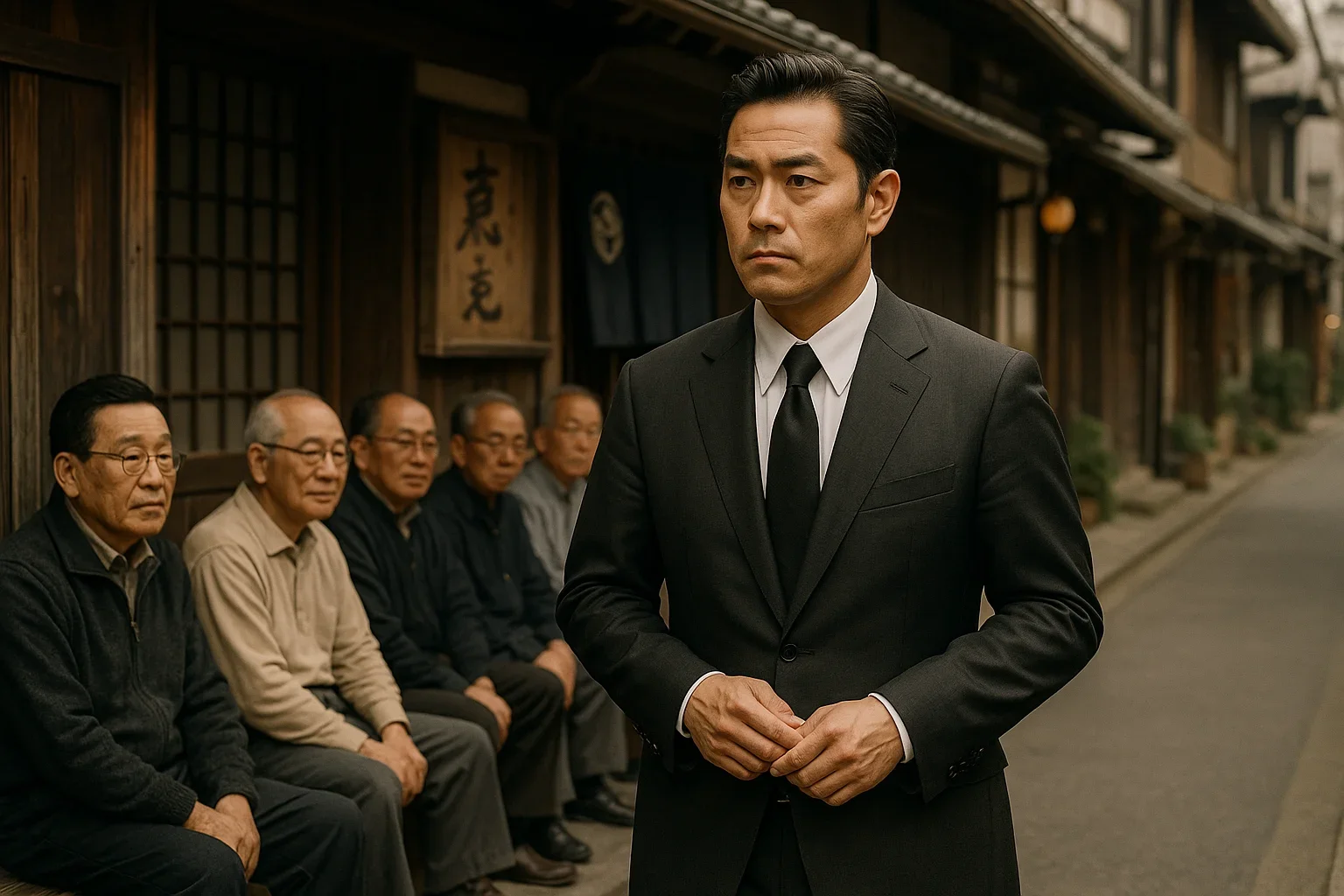
Yakuza Agreements Reshape Business
For decades, Japanese enterprises navigated a fraught landscape where illicit arrangements with organized crime syndicates profoundly altered corporate trajectories. These coercive agreements, known as jyōidan or protection pacts, historically compelled executives to fundamentally redirect operational tactics and resource allocation. Contrary to popular misconceptions, Yakuza Agreements extend beyond stereotypical extortion, embedding themselves in supply-chain dependencies and equity manipulation schemes documented by Japan’s National Police Agency. This shadow framework created artificial market advantages for compliant businesses while isolating competitors who resisted. Understanding this underground influence remains critical for contemporary risk management.
Historical Framework of Yakuza Agreements
The evolution of organized crime infiltration traces back to postwar Japan’s reconstruction boom, where syndicates exploited regulatory gaps in public works bidding. Construction conglomerates entered Yakuza Agreements to secure contracts via intimidation tactics against rivals. Academics at the Tokyo Metropolitan University highlight how these alliances enabled syndicate-controlled subcontracting networks throughout the 1980s bubble economy. This systemic corruption permeated industries like waste management, entertainment venues, and even stock market trading, establishing entrenched patterns that corporations treated as unavoidable operational expenses. The Anti-Boryokudan law of 1991 attempted to sever these ties, but enforcement gaps persist.
Strategic Adaptation Mechanisms
Company leaders facing Yakuza Agreements typically deploy these five defensive adaptations:
- Territorial Withdrawal: Physical relocation from syndicate-controlled districts.
- Operational Obfuscation: Utilizing shell companies and layered ownership structures.
- Formalized Counter-Negotiation: Retaining specialized legal firms experienced in bōryokudanin disengagement.
- Avoidance Protocol: Systematic screening of partners using Verified Anti-Crime Databases.
- Public Alliance: Preemptive collaboration with police liaison units.
Financial Engineering Enforcement
Yakuza Agreements typically manipulate cash flows through channel reorganizations documented by the Financial Services Agency. Syndicates traditionally demanded:
Criminal entities establish shadow subsidiaries to receive illicit payments disguised as consulting fees. Banks combating money laundering flag transactions lacking plausible commercial justification. The Global Financial Integrity Initiative confirms Japan’s progress through enhanced STR reporting systems, forcing criminals toward cryptocurrency transactions with evolving forensic tracing challenges.
Technological Countermeasures
Corporate security divisions now deploy artificial intelligence surveillance suites identifying communication patterns associated with extortion attempts. Voice analytics flag conversations containing implicit coercion keywords identified by the National Police Agency threat libraries. Blockchain documentation of vendor contracts prevents fake subcontractor insertion. However, adaptive criminal groups exploit blind spots in IoT security frameworks governing interconnected supply networks.
Socioeconomic Ramifications
The metastasizing impact of Yakuza Agreements extends beyond immediate victims, distorting regional economic development. Businesses relocating to evade pressure create employment vacuums in affected municipalities. Entrepreneurial reluctance to launch ventures stifles innovation in syndicate-dominated sectors. The OECD confirms suppressed foreign direct investment in Japanese regions lacking robust anti-organized crime enforcement. Societal trust in commercial institutions corrodes as traditional crime-reporting stigmas endure despite whistleblower protections.
Modern Prevention Paradigms
Corporations adopt integrated prevention frameworks incorporating specialized litigation insurance and digital auditing trails authenticated by independent third parties. Industry consortiums collectively fund intelligence-sharing platforms identifying emerging coercion tactics. Firms hire culturally fluent compliance officers trained specifically in Yakuza Agreement recognition, while implementing multi-department accountability systems certified by the Transnational Alliance Against Illicit Influence.
Sustainable business integrity necessitates a zero-tolerance approach toward criminal entanglement. Consult international security specialists before expanding operations in territories vulnerable to syndicate influence. Proven methods exist to protect enterprises without capitulation. Demand ethical commerce by strengthening defenses against cynical Yakuza Agreements undermining economic sovereignty.
Frequently Asked Questions
Q1. Can Yakuza Agreements ever provide genuine protection?
Initial perceived security deteriorates into cycles of escalating financial demands racketeers impose. No criminal group offers sustainable defense mechanisms since their profits depend on manufactured threats. Legitimate private security firms provide accountable protection without criminal entanglement risks.
Q2. What industries face the highest risk?
Traditional targets include construction, hospitality, finance, waste disposal, and entertainment sectors due to cash-intensive operations and regulatory complexity. Modern syndicates increasingly target logistics networks and digital service providers exploiting vulnerabilities in technological ecosystems.
Q3. How do I verify potential partners?
Conduct due diligence through the Police Agency’s Anti-Boryokudan database and request certified annual compliance statements. Hire forensic accountants identifying disguised payment channels, and mandate corporate histories verified by multi-jurisdictional regulators.
Q4. Are physical threats still common?
Violence marked early coercion periods, but modern syndicates prefer subtle threats ensuring economic destruction via reputational attacks. Covert sabotage largely replaced overt violence to evade law enforcement detection and media attention.
Q5. What loopholes enable agreements?
Complex subcontracting layers, inadequate payment verification requirements, corporate secrecy laws, and transient digital transaction systems create exploitable weaknesses. Renewed legislative pressure demanding supply chain visibility continues closing these legal gaps internationally.