Samurai Warriors Fitness Secrets
The samurai, Japan’s legendary warrior class, maintained extraordinary physical fitness through rigorous discipline that balanced martial prowess with mental fortitude. These elite fighters developed holistic training regimens centuries ago that modern fitness enthusiasts still study today. Their approach integrated combat skills, endurance exercises, and mindful practices rooted in Bushido—the samurai code demanding mastery of body and spirit. Unlike contemporary segmented workouts, samurai physical fitness cultivated unified strength for battlefield survival, where split-second reactions and sustained stamina meant life or death.
Core Philosophy Behind Samurai Physical Fitness
Samurai physical fitness wasn’t solely about bulging muscles but functional strength developed through lifelong dedication. Guided by Bushido principles, warriors viewed their bodies as instruments to serve their lords, with physical conditioning essential to honor. Daily routines balanced martial practices like kenjutsu (swordsmanship) with activities enhancing agility and resilience. The legendary warrior Miyamoto Musashi emphasized in his Book of Five Rings that physical prowess must unite with strategic thinking and spiritual balance. This holistic approach allowed samurai to march 30+ miles daily in full armor—weighing up to 65 pounds—while maintaining combat readiness.
Martial Arts Training Methods
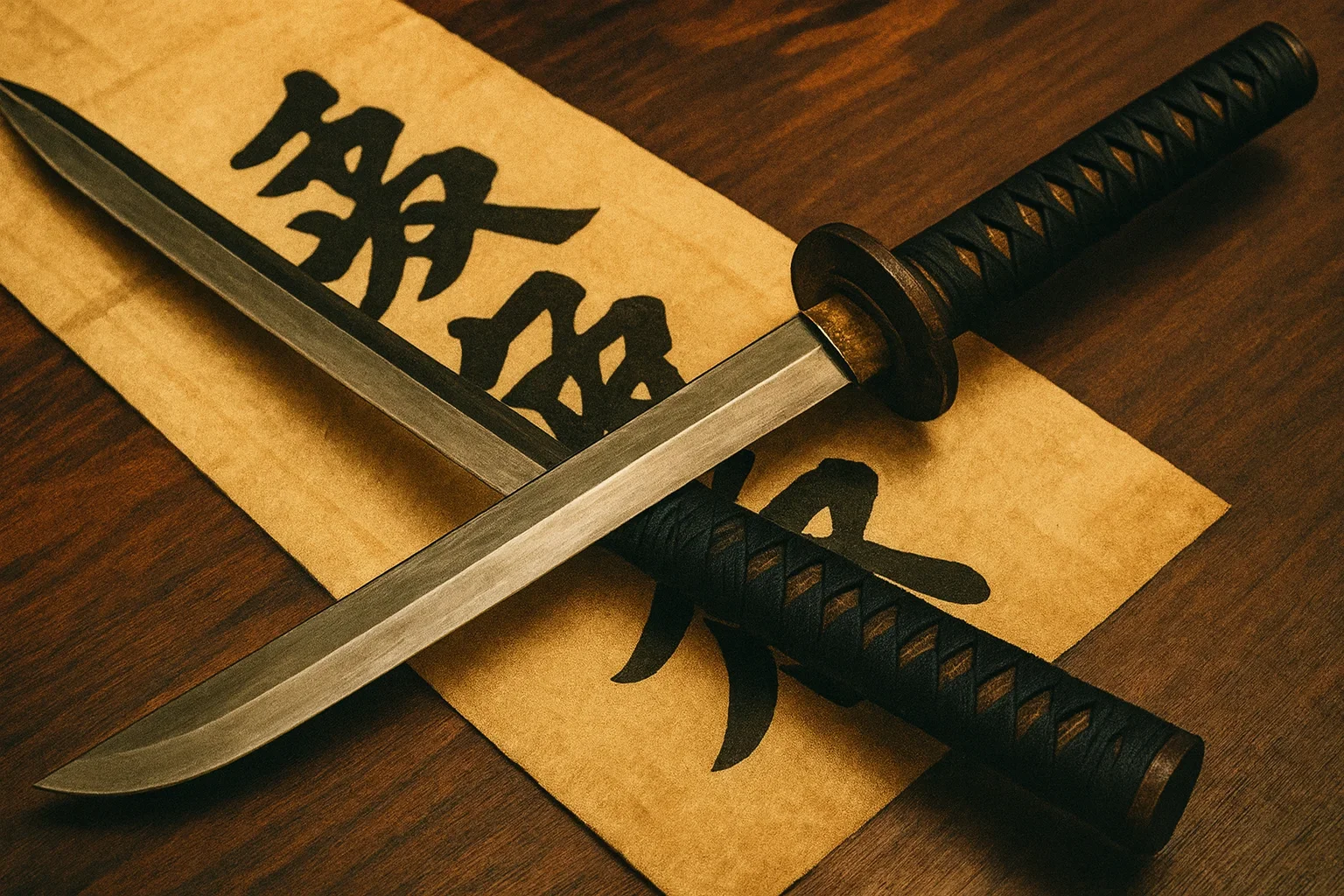
Swordsmanship formed the cornerstone of samurai physical fitness, with kenjutsu practice burning hundreds of calories per hour while building core strength. Samurai trained for hours with bokken (wooden swords) and performed suburi techniques—repeated striking motions that enhanced shoulder endurance. Kyudo (archery) developed upper-body power and thoracic mobility; warriors could reportedly fire heavy war bows weighing over 100 pounds. According to scholars at Tokyo University’s Martial Arts Research Center, specialized weapons practice accounted for 60% of medieval samurai exercise regimens.
Discipline-Specific Conditioning
Three primary disciplines defined practical training:
- Kenjutsu Drills: Hours of footwork patterns improving balance and leg strength
- Jujutsu Sparring: Grappling techniques requiring explosive power and flexibility
- Horsemanship Training: Mounted archery and lance work strengthening thighs and glutes
Ancillary Physical Practices
Beyond combat arts, samurai maintained physical fitness through daily chores transformed into exercise. Chopping firewood, maintaining armor, and forging weapons built functional strength similar to modern functional fitness. Shugendo mountain asceticism practiced by warrior-monks involved hiking steep terrain carrying heavy loads for endurance. Kyoto University research notes that samurai deliberately performed tasks requiring submaximal effort—equivalent to contemporary kettlebell training—to sculpt resilient physiques without excessive muscle bulk that impeded movement.
Nutritional Foundations for Warriors
Samurai fueled their physical fitness with strategic nutrition centered on lean proteins, whole grains, and fermented foods. Their diets featured buckwheat-based soba noodles, iron-rich fish, pickled vegetables for gut health, and minimal sweets. Caloric intake adjusted seasonally, according to the National Museum of Japanese History archives, peaking during winter to endure harsh campaigns. Warriors consumed medicinal herbs like garlic chives and turmeric to accelerate muscle recovery decades before modern sports science confirmed their anti-inflammatory properties.
Mental Components of Samurai Fitness
Complementing rigorous physical activity were indispensable mental disciplines: Zen monks taught samurai breathing techniques that optimized oxygenation during exertion. Meditation cultivated battlefield focus—historically proven when 16th-century samurai maintained steady arrow volleys amidst chaos. This mind-body synergy exemplifies why samurai physical fitness remains influential; modern neuroscientific studies prove such mindfulness enhances workout efficiency and pain tolerance.
Peacetime Maintenance Strategies
During peaceful Edo Period, samurai preserved physical fitness through koryu schools maintaining martial traditions while incorporating cultural pursuits requiring full-body kinesthesia. Calligraphy strengthened posture control, tea ceremony rituals honed precise movements under pressure, and Zen gardening developed endurance through meticulous labor. As documented in the Edo-Tokyo Museum, many schools included swimming in heavy robes and cold-water exposure therapy to maintain toughness year-round.
Modern Applications of Samurai Fitness
Contemporary functional fitness programs increasingly echo samurai physical fitness principles—HIIT workouts mirror kenjutsu intensity drills, while mind-body practices descend from Zen mindfulness. Elite athletes now train posture control like tea ceremony masters, proving these ancient methods transcend time. By studying samurai physical fitness regimens, we unlock sustainable approaches balancing movement, nutrition, and mental resilience—a holistic legacy empowering modern warriors in boardrooms and gyms alike.
Implement samurai physical fitness wisdom today: Start integrating Japanese-inspired functional training into your routine using katana-like chop wood exercises, controlled breathing during sprints, and whole-foods nutrition. Transform ordinary workouts into warrior discipline—join martial arts classes, meditate after lifting sessions, or hike challenging terrain carrying weight. Just as the samurai understood, true physical fitness unites body, mind, and purpose. Embrace ancient Bushido principles directing your fitness journey toward functional strength and unwavering resilience.
Frequently Asked Questions
Q1. How many hours a day did samurai spend on physical training?
Historical records indicate samurai dedicated 4-6 hours daily to martial training plus additional hours performing physically demanding chores. During intense preparation periods preceding battles, training could exceed 8 hours. This encompassed weapons practice, horse riding, strength conditioning, and mental discipline—creating incomparable endurance.
Q2. Did samurai lift weights like modern athletes?
Weightlifting as we know it wasn’t commonplace. Instead, samurai built functional strength practicing martial techniques with real weapons and performing laborious tasks. They lifted heavy materials like stones during shrine constructions or used barrel weights suspended from wooden staffs, methods comparable to kettlebell swings and farmer carries in contemporary strength training.
Q3. Were samurai as muscular as modern bodybuilders?
Samurai prioritized lean, functional muscle over bulk. Their physique resembled modern MMA fighters rather than bodybuilders—defined musculature optimized for agility and endurance. Excessive bulk was avoided since it hindered mobility during combat or when wearing restrictive armor requiring fluid movement.
Q4. What role did play in samurai fitness?
Fundamental role. Martial arts practice constituted about 60% of physical training during the Sengoku period, with kenjutsu alone accounting for 20 hours weekly per Koryu tradition records. This embedded functional strength into reflexive motion, making warriors combat-ready without supplementary gym exercises.
Q5. How did aging samurai maintain fitness?
Lifelong practitioners adapted regimens using lower-impact techniques emphasizing posture and flexibility. Elderly samurai focused on iaijutsu (seated sword drawing), archery to preserve upper-body strength, meditation, herbal therapies, and mentoring younger warriors—passing down wisdom while staying active.