Dance and Seasonal Celebrations
From the earliest human societies, the turning of the seasons has been a pivotal moment, dictating survival, agriculture, and social structures. More than just a marker of time, these seasonal shifts were – and continue to be – imbued with deep cultural and spiritual significance. And woven into the fabric of these celebrations, across continents and millennia, is the powerful, expressive art of dance. Dance isn’t merely entertainment; it’s a fundamental way humans have connected with the natural world, expressed gratitude for its bounty, and sought to influence its cycles. This article delves into the rich history and diverse expressions of dance as an integral part of seasonal celebrations globally.
Ancient Roots: Dance as Ritual and Connection
The connection between dance and the seasons stretches back to prehistoric times. Archaeological evidence, though limited in directly demonstrating dance, suggests ritualistic movements were common. Cave paintings, for example, depict figures in poses that could represent hunting dances or fertility rites linked to seasonal changes. These early dances weren’t about aesthetics; they were about ensuring the continuation of life’s cycles.
In many ancient cultures, the solstices and equinoxes held paramount importance. The winter solstice, marking the shortest day and the return of the sun, was celebrated by cultures across Europe and Asia with dances intended to reignite the sun’s energy. Stone circles like Stonehenge in England ([https://www.english-heritage.org.uk/visit/places/stonehenge/history-and-stories/the-solstice/](https://www.english-heritage.org.uk/visit/places/stonehenge/history-and-stories/the-solstice/)) are believed to have been aligned with these solar events and may have hosted associated ceremonial dances. Similarly, cultures in the Americas, like the Inca, had intricate calendar systems and precise celebrations linked to agricultural cycles, often involving elaborate dance performances. The Inti Raymi festival, for example, a religious ceremony of the Inca Empire in honor of the god Inti (Sun), continues today in Peru ([https://www.peru.travel/en/attractions/cusco/inti-raymi](https://www.peru.travel/en/attractions/cusco/inti-raymi)), with dance playing a central ceremonial role.
Dance in Agricultural Societies
For communities reliant on agriculture, the seasons dictated every aspect of life. Dance naturally emerged as a way to appease the gods and spirits believed to control the weather, fertility of the land, and the success of the harvest. Spring dances, common across many cultures, symbolized rebirth and renewal, encouraging the growth of crops. These dances often mimicked the movements of planting and tending to fields, embodying a direct connection with the agricultural process.
In ancient Egypt, dances dedicated to the Nile’s annual flood were performed to ensure its bounty ([https://www.worldhistory.org/article/879/dance-in-ancient-egypt/](https://www.worldhistory.org/article/879/dance-in-ancient-egypt/)). The flood was crucial for the fertility of the land, and the dances were considered vital for maintaining cosmic order. Throughout the Mediterranean, fertility dances were prominent, often involving symbolic gestures and movements intended to promote successful reproduction – of both crops and people.
Dance Traditions Across the Globe
The manifestation of dance in seasonal celebrations varies dramatically across cultures, reflecting unique beliefs, histories, and environments. Here’s a look at some examples:
Europe: May Day and Winter Festivals
May Day, celebrated on May 1st, marks the beginning of summer in many European traditions. Historically, Maypole dancing, involving ribbons woven around a central pole, symbolized fertility and the blossoming of life. The Maypole itself is often associated with the world tree, a mythological concept representing the connection between heaven and earth. (See scholarly discussion in: Hubert, C. (2015). *The Maypole: Its History & Meaning*. Green Magic Publishing.)
In contrast, winter festivals like the Yule celebrations of Germanic cultures involved dances focused on welcoming back the sun and warding off darkness. Modern-day Christmas traditions, while heavily influenced by Christianity, retain echoes of these older pagan customs, sometimes incorporating folk dances and performances.
Asia: Lunar New Year and Harvest Festivals
The Lunar New Year, celebrated in many East and Southeast Asian countries, is a significant cultural event filled with vibrant traditions, including numerous dances. Lion and dragon dances, particularly prominent in Chinese culture ([https://www.chinahighlights.com/travelguide/chinese-new-year/lion-dragon-dance.htm](https://www.chinahighlights.com/travelguide/chinese-new-year/lion-dragon-dance.htm)), are performed to bring good luck and prosperity for the coming year. These dances are more than just displays of athleticism and artistry; they’re believed to possess spiritual power and ward off evil spirits.
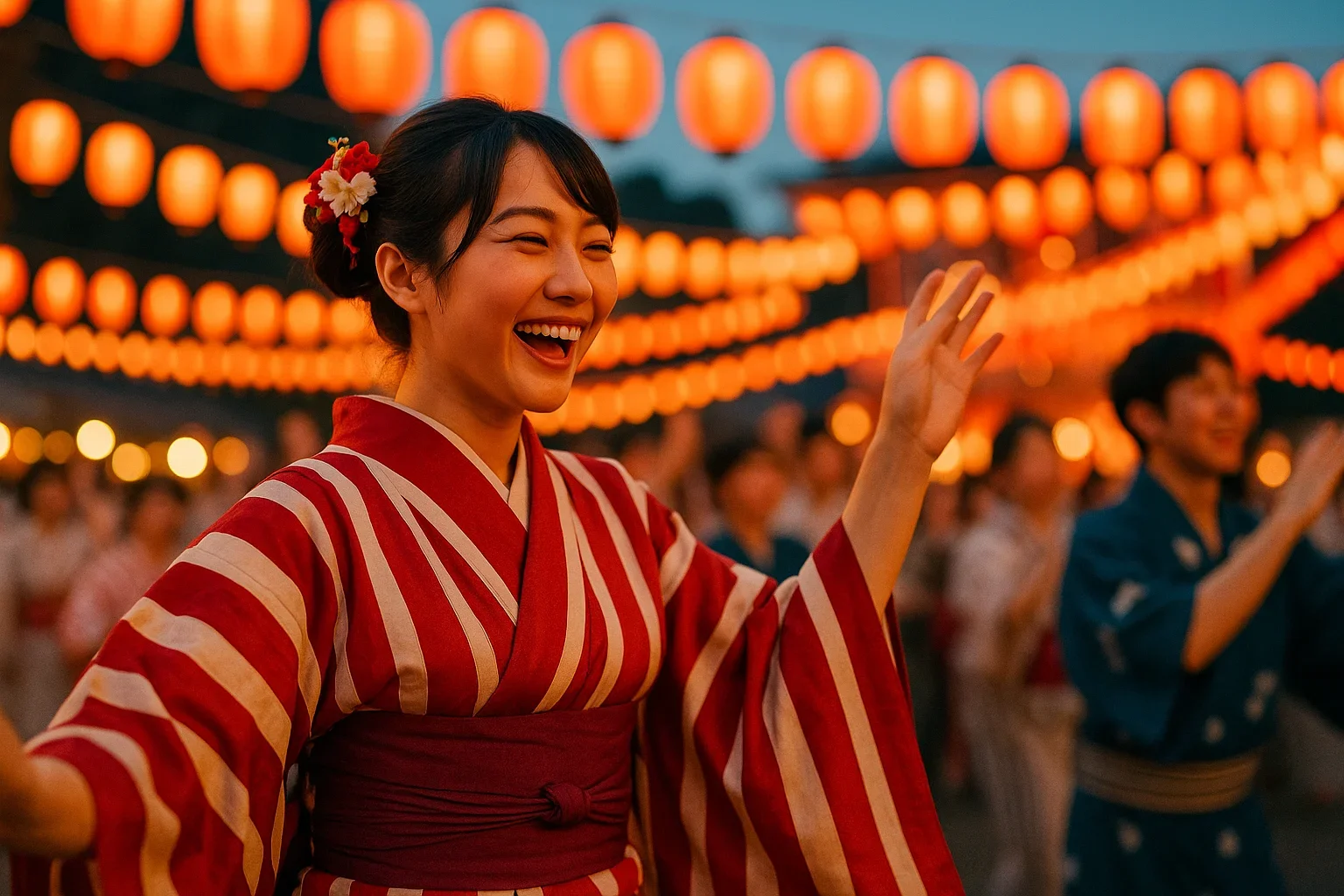
Harvest festivals, like Chuseok in Korea and Tsukimi in Japan, similarly feature traditional dances expressing gratitude for the harvest and praying for continued abundance. These dances often involve specific costumes and musical instruments that have been passed down through generations.
Africa: Seasonal Rites of Passage and Agricultural Dances
Across the African continent, dance is deeply embedded in both everyday life and ceremonial practices. Many African cultures have dances linked to the agricultural cycle, celebrating planting, harvesting, and the renewal of life. These dances are often participatory, involving the entire community in rhythmic movements and songs.
In some regions, dances mark rites of passage connected to seasonal changes. For example, specific dances may be performed during initiation ceremonies that coincide with the end of the rainy season or the beginning of the dry season. These dances are crucial in transitioning individuals to new stages of life and reinforcing social bonds.
Americas: Indigenous Ceremonies and Modern Fiestas
Indigenous cultures throughout North and South America have long traditions of dance connected to the seasons, often reflecting their deep connection to the land and their ancestral spirits. The Powwow dances of Native American tribes in North America ([https://www.smithsonianmag.com/travel/powwows-a-celebration-of-native-american-culture-180976660/](https://www.smithsonianmag.com/travel/powwows-a-celebration-of-native-american-culture-180976660/)) are public events held throughout the year, but particularly during warmer months, showcasing traditional dance styles, regalia, and music.
In Latin America, the blending of indigenous traditions, European colonization, and African influences has resulted in a rich tapestry of seasonal celebrations that often incorporate dance. Carnival, celebrated in Brazil and other countries, is a prime example, featuring elaborate parades, music, and dance performances before the start of Lent.
The Evolution of Seasonal Dance
While the core purpose of expressing connection to nature and celebrating cycles has remained consistent, the forms and styles of seasonal dance have evolved over time. Globalization and cultural exchange have led to the fusion of different dance traditions, creating new and hybrid forms.
Modern adaptations of traditional seasonal dances often incorporate contemporary music and choreography while still retaining symbolic elements from the past. For instance, reinterpretations of Maypole dances might be seen in contemporary art installations or performances. Similarly, the energy and spirit of Carnival have influenced dance styles around the world. The rise of social dance movements, like those surrounding global music festivals, also demonstrates the ongoing role of dance in marking seasonal transitions and fostering communal experiences.
Conclusion
Dance, at its essence, is a human response to the rhythms of life, and nowhere is this more evident than in seasonal celebrations. From ancient rituals ensuring successful harvests to modern-day festivities expressing cultural identity, dance serves as a powerful tool for connecting with nature, honoring traditions, and fostering community. As long as humans continue to experience the turning of the seasons, the art of dance will undoubtedly remain a vital part of these celebrations, evolving in form but enduring in its significance.
FAQ
- Why is dance important in seasonal celebrations? Dance is a physical and symbolic expression of connection to the natural world, gratitude for its bounty, and hope for the future.
- Are there any common themes in seasonal dances around the world? Many seasonal dances share themes of renewal, fertility, and the triumph of light over darkness.
- How has globalization affected seasonal dance traditions? Globalization has led to a fusion of dance styles and the adaptation of traditional dances to contemporary contexts.
- Where can I learn more about specific seasonal dances? Research the cultural traditions associated with specific seasons and regions. Museums, cultural centers, and online resources can provide valuable information.