Samurai Clothing: A Historical Evolution
The image of the samurai is instantly recognizable – a warrior clad in distinctive armor, wielding a katana. However, this iconic depiction isn’t static. Samurai clothing evolved dramatically over centuries, reflecting changes in warfare, social status, and aesthetic ideals. From practical battlefield attire to symbols of power and refinement during times of peace, the clothing of the samurai tells a fascinating story of Japanese history and culture. Understanding this evolution requires examining several key periods, beginning with the earliest forms of samurai protection and culminating in the elaborate garments of the Edo period.
Early Samurai Armor (Heian & Kamakura Periods)
The origins of samurai clothing lie in the need for effective protection in warfare during the Heian period (794–1185). Initially, Japanese warriors largely adopted Chinese and Korean armor styles, particularly those utilizing metal plates and helmets. This early armor, known as tankō and hotate maloi, was relatively simple and less form-fitting than later styles. However, the demand for uniquely Japanese armor, suited to the specific fighting conditions and physiques of its warriors, quickly rose.
The crucial transition began with the development of ō-yoroi (大鎧), meaning “great armor”. This was the dominant armor type for the samurai class from the late Heian period through the Kamakura period (1185–1333). Ō-yoroi was incredibly complex and expensive, reflecting the high status of its wearer. It comprised numerous small plates (kozane) lacquered and laced together with silk cords (odoshi). [https://www.metmuseum.org/toah/hd/yoro/hd_yoro.htm](https://www.metmuseum.org/toah/hd/yoro/hd_yoro.htm) The construction was time-consuming, often taking months or even years to complete a single set.
Key features of ō-yoroi included:
- Box-shaped construction: Designed to be worn primarily on horseback, providing maximum protection while minimizing restriction of movement in that position.
- Large, prominent kusazuri: These protective skirts attached to the waist protected the upper thighs.
- Sōmen: A face mask featuring an iconic men-pō (protective mask with facial features) and a separate neck guard.
- Kabuto: The helmet, often elaborately decorated with crests (datemono) signifying clan affiliation and status.
Foot soldiers during this era wore lighter, less comprehensive armor called dō-maru (胴丸) which allowed for greater mobility. Similarly, cavalry who needed to fight on foot often switched to utilizing dō-maru*.
The Muromachi Period: A Shift in Armor Design
The Muromachi period (1336–1573) witnessed significant changes in warfare. The rise of large-scale infantry battles and the increased use of firearms necessitated adjustments in armor design. The ō-yoroi, while still used, proved increasingly unwieldy for foot-based combat. This led to the development of the hariken yoroi (腹巻鎧), a more streamlined and flexible style of armor.
Hariken yoroi differed from its predecessor in several ways:
- Lower profile: The box-shaped construction was reduced, making the armor less bulky.
- Emphasis on mobility: The kusazuri were often shorter and more split, allowing for greater freedom of movement when fighting on foot.
- Simpler construction: While still employing kozane, the overall number of plates was reduced, lowering the cost and production time.
Alongside hariken yoroi, the dō-maru became increasingly popular, evolving into a more standardized and sophisticated form of armor. It consisted of horizontal plates connected by silk lacing, ideal for the changing tactics of the age. This period also saw the creation of the okegawa dō (桶川胴), a cylindrical body armor favored for its durability and ease of manufacture. [https://www.thoughtco.com/samurai-armor-types-1992743](https://www.thoughtco.com/samurai-armor-types-1992743)
The Azuchi-Momoyama Period: Armor and Display
The Azuchi-Momoyama period (1573-1603) – a time of unification under figures like Oda Nobunaga and Toyotomi Hideyoshi – saw armor become increasingly ornate and visually striking. While functionality remained important, samurai began to use armor as a means of displaying their wealth, power, and allegiance. The emphasis on aesthetics led to further development of existing styles.
Significant developments included:
- Elaborate crests (datemono): Helmets were adorned with increasingly complex and flamboyant crests, often featuring intricate designs and materials.
- Use of exotic materials: Armor was embellished with materials like gold, silver, and mother-of-pearl, indicating the wearer’s status.
- Bold color schemes: Brightly colored lacquers and silk lacing became common, adding to the visual impact of the armor.
This was a turning point. Armor was not just protection; it was a statement. The practice of commissioning highly decorated armor sets even extended to peace-time displays, highlighting a samurai’s prestige and lineage.
The Edo Period: Peace, Ceremony, and Refinement
The Edo period (1603–1868) ushered in a long era of peace. With fewer actual battles fought, the practical needs of samurai armor diminished, and its symbolic and ceremonial importance grew exponentially. Armor transitioned from a battlefield necessity to a status symbol and an art form. This is when the observed standardization of styles began to solidify, resulting in the iconic imagery most associate with samurai today.
During this time, several distinct armor styles gained prominence:
- Gusoku (具足): The fully integrated armor set became the standard. This included the helmet (kabuto), face mask (men-pō), body armor (dō), shoulder guards (sode), arm guards (kote), hand guards (tekkō), thigh guards (haidate), shin guards (suneate), and greaves (kote).
- Tōsei-gusoku (唐製具足): Inspired by continental (primarily Chinese and Korean) armor designs, but adapted and refined by Japanese armorer’s. These often featured a more rounded and less angular aesthetic.
- Yokozane-gusoku (横具足): Characterized by horizontal lacing patterns, this style was particularly popular among lower-ranked samurai.
The level of detail and craftsmanship reached unprecedented heights. Armorers competed to create the most beautiful and intricate sets, often incorporating elaborate family crests, mythical creatures, and scenes from Japanese history and folklore. [https://www.japan-guide.com/e/e2285.html](https://www.japan-guide.com/e/e2285.html) The cost of a full suit of Edo-period armor could be astronomical, reserved for the wealthiest and most powerful samurai.
Beyond armor, everyday clothing for samurai during the Edo period also became more refined. They typically wore:
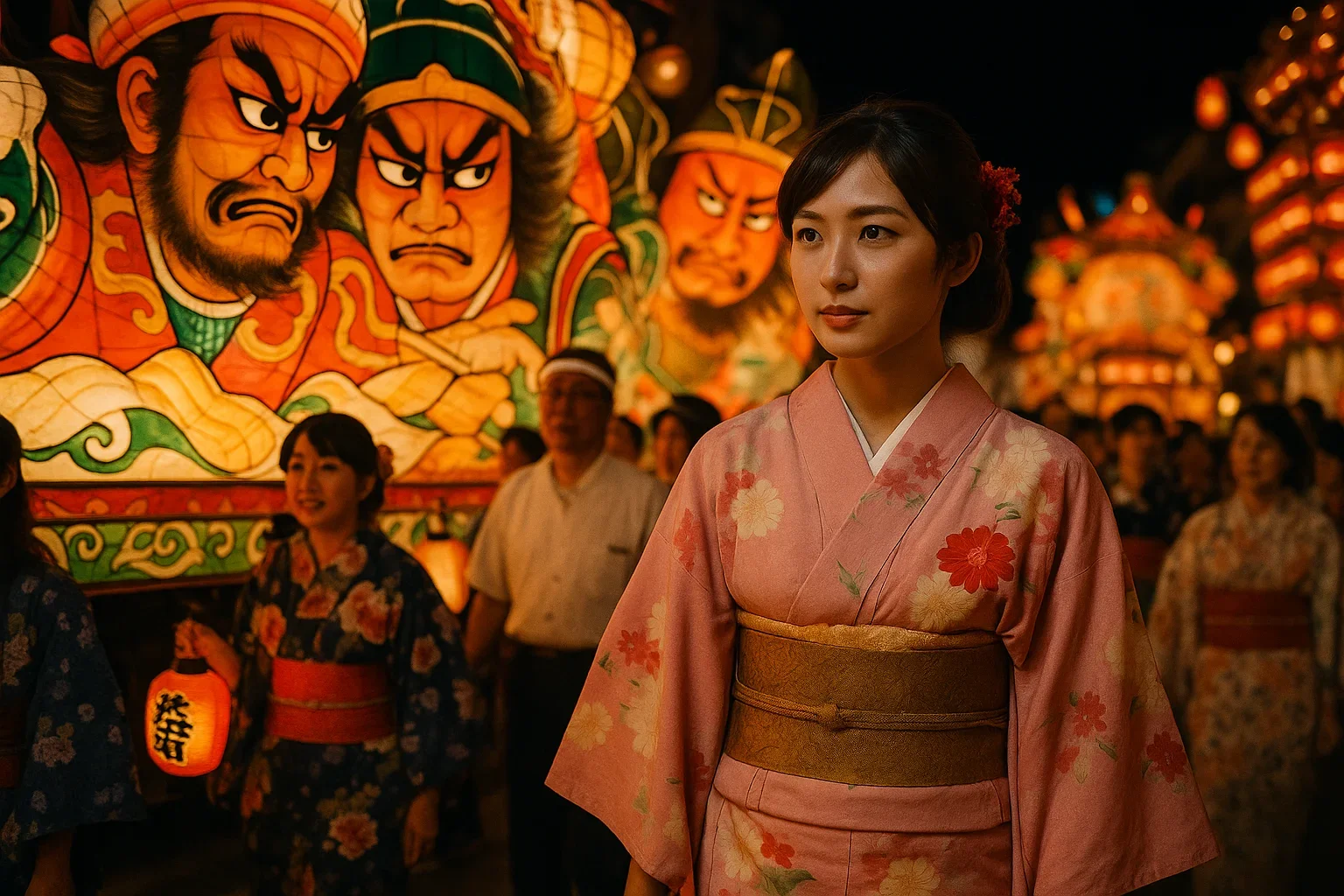
- Kimono: Layered kimono in subdued colors, reflecting their status and discipline.
- Hakama: Wide-legged trousers, often pleated, worn over the kimono.
- Haori: A hip-length jacket worn over the kimono.
- Geta or Zori: Traditional Japanese footwear.
Decline and Legacy
The Meiji Restoration in 1868 marked the end of the samurai class and with it, the practical need for samurai clothing. The wearing of swords and traditional attire was banned for a period, leading to a decline in the production of armor and traditional garments. However, the legacy of samurai clothing endures. Armor is preserved in museums and private collections, and the aesthetic principles of samurai attire continue to influence Japanese fashion and design. The meticulous craftsmanship and symbolic richness of samurai clothing remain a testament to the artistry and cultural values of Japan’s warrior class.
Conclusion
The evolution of samurai clothing is a compelling reflection of Japan’s military, social, and artistic history. From the functional, yet evolving, armor of the Heian and Kamakura periods to the ornate displays of the Azuchi-Momoyama and Edo periods, each era left its mark on the attire of these iconic warriors. Understanding this evolution provides valuable insight into the lives, values, and enduring legacy of the samurai.
FAQ
Q: What was the most expensive type of samurai armor?
A: Ō-yoroi, particularly those crafted with high-quality materials and intricate designs, were the most expensive. During the Edo period, fully customized gusoku sets could also reach exorbitant prices.
Q: Was all samurai armor made of metal?
A: While metal plates were the primary component, samurai armor also incorporated significant amounts of other materials, including silk, leather, wood, and lacquer. These materials were used for lacing, padding, and decorative elements.
Q: How did samurai armor influence modern fashion?
A: The clean lines, layered construction, and emphasis on form and function in samurai armor have inspired contemporary designers. Elements of samurai aesthetics can be seen in modern streetwear, high fashion, and even athletic wear.